Chicago, IL · dessert shop
Cost to open a dessert shop in Chicago
Opening a dessert shop in Chicago presents unique cost considerations that differ from other markets. The city's diverse neighborhoods, varying rent structures, and specific local competition create a complex financial landscape for entrepreneurs. Understanding these factors is crucial before committing capital to a new venture.
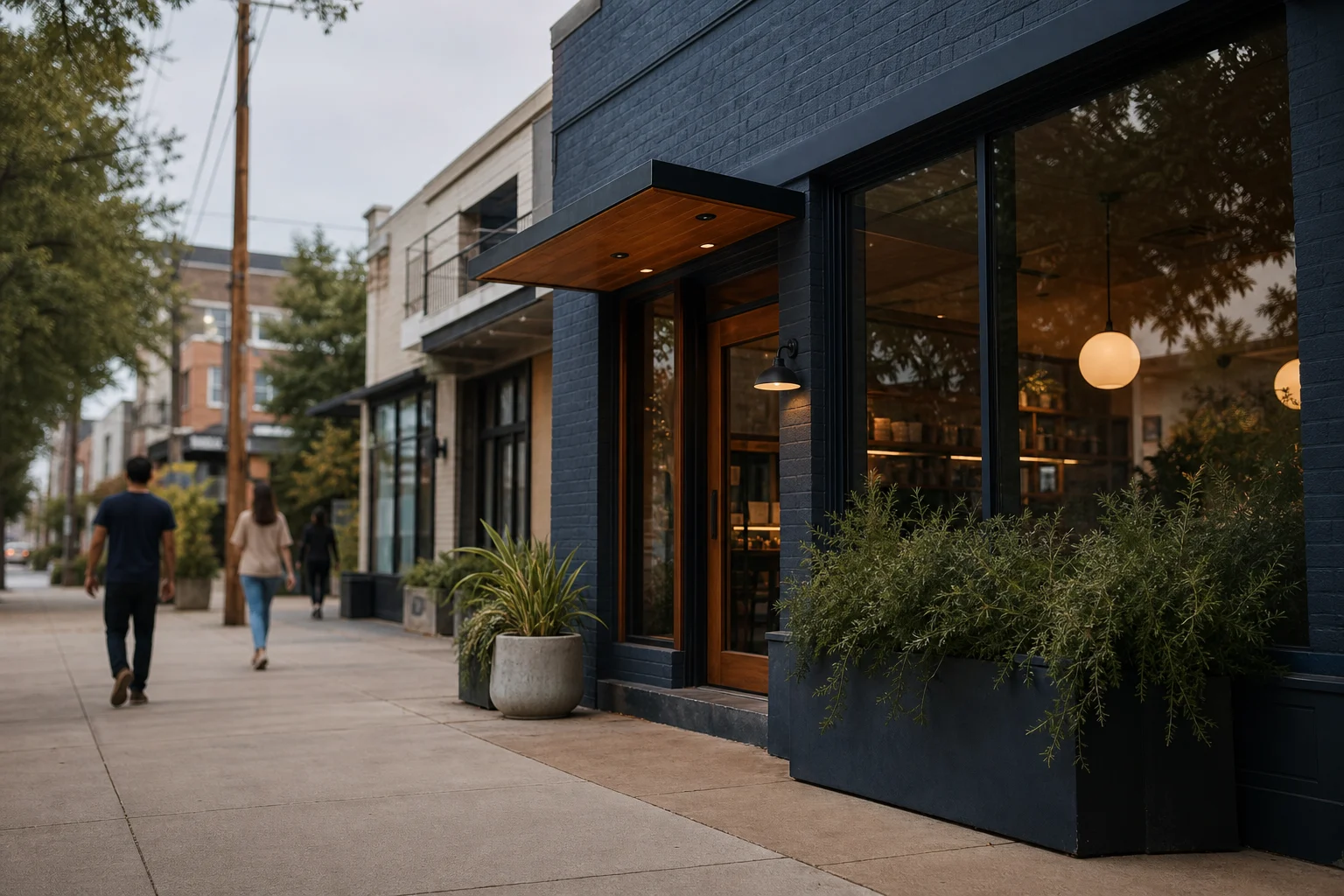
What does it cost to open a dessert shop in Chicago?
The cost to open a dessert shop in Chicago varies significantly based on location, size, and concept. Unlike many other cities, Chicago's neighborhood-specific dynamics create distinct financial profiles across different areas. The city's commercial real estate market, particularly in desirable neighborhoods, can represent a substantial portion of startup expenses. Additionally, local competition and customer expectations in Chicago's dessert market influence operational costs and pricing strategies.
When planning your dessert shop, consider that Chicago's neighborhoods have different cost structures and customer demographics. For example, Hyde Park offers a rent band of $22-$80/sqft/yr NNN, while Chinatown shares the same range. Rogers Park, Edgewater, and Devon Ave/West Ridge also fall within this rent spectrum, according to Locavisor research. These variations mean your location choice directly impacts your financial projections and business model viability.
Major cost categories
Lease deposit and first/last month
Securing a commercial lease in Chicago requires careful financial planning. Most landlords expect first and last month's rent upfront, plus a security deposit. The deposit typically ranges from one to three months' rent, depending on the landlord and neighborhood. In Chicago's competitive market, having these funds readily available can strengthen your negotiating position and demonstrate financial stability to potential landlords.
The lease deposit represents your initial cash outlay before even beginning renovations or equipment purchases. Many entrepreneurs underestimate this requirement, leading to delays in securing their ideal location. In neighborhoods like Hyde Park or Chinatown, where demand for commercial space is high, landlords may be more selective about tenants who can provide substantial deposits and demonstrate strong financial backing.
Tenant improvements and buildout
The condition of your chosen space will significantly impact buildout costs. Older buildings in historic neighborhoods may require substantial renovations to meet health codes and create an appealing customer environment. Conversely, newer spaces might need only minor modifications. The quality of existing infrastructure-plumbing, electrical, HVAC-directly affects renovation expenses. Budgeting for unexpected structural issues is essential, as older Chicago buildings often hide costly surprises behind walls.
Buildout costs can easily consume 20-40% of your total startup budget, depending on the condition of the space and your design ambitions. In neighborhoods like Rogers Park or Devon Ave/West Ridge, you might find spaces with more character but requiring more work, while newer developments in Edgewater could offer turnkey solutions at higher rents. The trade-off between rent savings and renovation costs requires careful analysis.
Equipment and furniture
Dessert shop equipment represents a major capital investment. Refrigeration units, display cases, ovens, mixers, and point-of-sale systems are essential but vary widely in cost. The scale of your operation determines equipment needs-whether you're a small artisanal shop or a full-service bakery with seating. Quality equipment that can withstand heavy use is critical for long-term success, but initial costs can strain startup budgets.
Consider the specific needs of your dessert concept. An ice cream shop requires different equipment than a custom cake bakery. Researching used versus new equipment can save significant costs, but ensure any used purchases come with warranties and are in good working condition. Chicago has several restaurant equipment suppliers, and networking with other local business owners can provide valuable insights into reliable vendors.
Licenses, permits, and insurance
Chicago requires specific business licenses and health permits for food establishments. The Department of Public Health oversees food safety regulations, while the Department of Business Affairs and Consumer Protection handles business licensing. Insurance costs include general liability, property damage, and workers' compensation. These expenses, while necessary, add to the initial capital requirements and should be factored into your budget from the planning stage.
Permit costs in Chicago can vary based on your shop's size and the specific services you offer. Food service sanitation certification requires passing inspections and may involve fees for training and documentation. Business licensing fees are typically based on your projected revenue, so accurate financial forecasting is essential for budgeting these costs appropriately.
Initial inventory or supplies
Stocking your dessert shop with ingredients, packaging, and other supplies requires upfront capital. The type of desserts you offer-whether custom cakes, artisanal pastries, or ice cream-determines inventory needs. Seasonal ingredients and specialty items can create fluctuating costs. Maintaining adequate inventory without overstocking is a delicate balance that affects both customer satisfaction and cash flow.
Chicago's diverse food scene means access to high-quality ingredients, but these often come at a premium. Building relationships with local suppliers can help manage costs and ensure fresh ingredients. Consider the shelf life of your products when planning inventory-perishable items require more frequent restocking and careful cash flow management.
Pre-opening payroll and training
Hiring and training staff before opening requires careful cash flow management. Chicago's competitive labor market means offering competitive wages to attract qualified employees. Training programs ensure consistent quality and customer service, but they represent an expense before revenue generation begins. Budgeting for at least one month of payroll during the pre-opening phase is standard practice.
The quality of your staff directly impacts customer experience and repeat business. Investing in thorough training, even if it extends your pre-opening timeline, can pay dividends in customer satisfaction and positive reviews. Chicago's restaurant industry is competitive, so offering fair wages and good working conditions helps attract and retain talented employees.
Working capital reserve
A working capital reserve is critical for covering unexpected expenses and sustaining operations during the initial months. Many new businesses underestimate the time required to reach profitability. Having three to six months of operating expenses set aside provides a buffer against slow starts, equipment repairs, or other unforeseen costs. This reserve ensures your dessert shop can weather early challenges without compromising quality or service.
Unexpected costs often arise during the first year of operation-equipment breakdowns, supply price increases, or lower-than-expected revenue. A robust working capital reserve gives you the flexibility to address these issues without jeopardizing your business. Many successful Chicago restaurant owners emphasize the importance of this financial cushion for long-term sustainability.
How Chicago compares to other IL markets
Labor costs in Chicago are generally higher than in smaller Illinois cities, reflecting the city's higher cost of living. However, the potential for higher revenue in Chicago can offset these increased expenses. The city's tourism industry and dense population provide dessert shops with a larger customer pool than many smaller markets, potentially leading to faster growth and profitability.
What competition looks like in the top areas
Chicago's top neighborhoods for dessert shops present distinct competitive landscapes. In Hyde Park, you'll find established players like Insomnia Cookies and Stan's Donuts & Coffee, creating a competitive environment for new entrants. Chinatown features specialized offerings like Golden Dragon Fortune Cookies, catering to specific cultural preferences. Rogers Park has unique local gems such as Mickii's - Cookies, Cobblers & More, while Devon Ave / West Ridge boasts Envy Design Cookies INC with its specialized cookie offerings.
Understanding local competition helps determine pricing strategies and differentiation opportunities. In neighborhoods like Edgewater, you might find a mix of established bakeries and newer artisanal shops, requiring careful positioning to stand out. Customer reviews and ratings, available on platforms like Google Places, provide valuable insights into what local customers value and where there might be gaps in the market.
Common cost overrun patterns
Several cost overruns frequently impact dessert shop startups in Chicago. Underestimating buildout costs is common, especially in older buildings with hidden structural issues. Equipment purchases often exceed budgets when quality or specialized items are required. Inventory management can lead to waste or stockouts if not carefully planned. Additionally, Chicago's specific health and safety regulations may require unexpected modifications or equipment. Many entrepreneurs also overlook the time and cost of obtaining necessary permits and licenses, leading to project delays and additional expenses.
Another common pitfall is inadequate contingency planning. Many new business owners create detailed budgets but fail to include buffers for unexpected costs. In Chicago's dynamic market, having flexibility in your budget can mean the difference between success and closure. Regularly reviewing and adjusting your financial projections as you gather more information helps prevent costly surprises.
How to validate your number before committing capital
Validating your cost assumptions is crucial before proceeding. Research comparable spaces in your target neighborhood to understand realistic rent ranges. For example, Hyde Park, Chinatown, Rogers Park, Edgewater, and Devon Ave/West Ridge all have rent bands of $22-$80/sqft/yr NNN according to Locavisor research. Interview local business owners, including competitors like Insomnia Cookies or Stan's Donuts & Coffee, to understand real-world expenses. Create detailed spreadsheets tracking all potential costs, and build in contingency buffers. Consider hiring a commercial real estate agent familiar with Chicago's market to assess property values and negotiate leases effectively.
| Cost Category | Typical Range | Key Considerations |
|---|---|---|
| Lease Deposit | a variable local timeline rent | Strengthens negotiation position |
| Buildout | 20-40% of total budget | Varies by space condition |
| Equipment | Variable | Quality vs. cost trade-offs |
| Initial Inventory | a variable local timeline operating cost | Perishable items require careful planning |
| Working Capital | a variable local timeline expenses | Critical for early-stage sustainability |
This table provides a quick reference for the major cost categories and their typical ranges. However, actual costs will vary based on your specific location, shop size, and business model. Always conduct thorough research and create detailed projections for your particular situation.

FAQ
What are the best neighborhoods in Chicago for a dessert shop?
According to Locavisor research, the top neighborhoods for dessert shops in Chicago are Hyde Park (score 6.4/10), Chinatown (6.3/10), Rogers Park (6.1/10), Edgewater (6.0/10), and Devon Ave/West Ridge (6.0/10). These areas offer a balance of foot traffic, customer base, and commercial viability, with rent bands typically ranging from $22-$80/sqft/yr NNN.
How much should I budget for rent in Chicago?
Chicago's commercial rent varies significantly by neighborhood. The top dessert shop neighborhoods-Hyde Park, Chinatown, Rogers Park, Edgewater, and Devon Ave/West Ridge-have rent bands of $22-$80/sqft/yr NNN. Your specific budget will depend on location, space size, and lease terms. Always factor in additional costs like CAM (Common Area Maintenance) charges that are often included in NNN leases.
What permits do I need to open a dessert shop in Chicago?
You'll need several permits from Chicago agencies, including a business license from the Department of Business Affairs and Consumer Protection, food service sanitation certification from the Department of Public Health, and potentially a zoning permit. The specific requirements depend on your shop's size, location, and services offered. Always verify current requirements with the appropriate city agencies before starting construction or operations.
Last reviewed: 2026-05-30
Sources: U.S. Census Bureau ACS, LEHD LODES, Google Places, OpenStreetMap, Locavisor neighborhood scoring.
Methodology: Locavisor scores neighborhoods across demand, competition fit, rent fit, accessibility, and customer match. Scores reflect a snapshot of recent data and should be combined with on-the-ground research before lease decisions.
Disclaimer: This article provides informational content only and does not constitute legal, financial, accounting, or real-estate advice. Verify lease terms, licensing, local regulations, costs, and professional requirements with qualified local professionals before making business decisions.
Free preview shows top 3 neighborhoods. Full $9.99 report covers all 10 areas with personalized scoring + 90-day check-ins.
Informational only. Verify lease, licensing, local regulations, costs, and professional requirements with qualified local professionals.