New York, NY · dessert shop
Cost to open a dessert shop in New York
Opening a dessert shop in New York requires careful planning of startup costs. The cost to open a dessert shop in New York varies significantly based on location, size, and concept. Before investing, founders should understand the practical startup-cost stack including rent, buildout, equipment, permits, hiring, launch cash, and common cost traps.
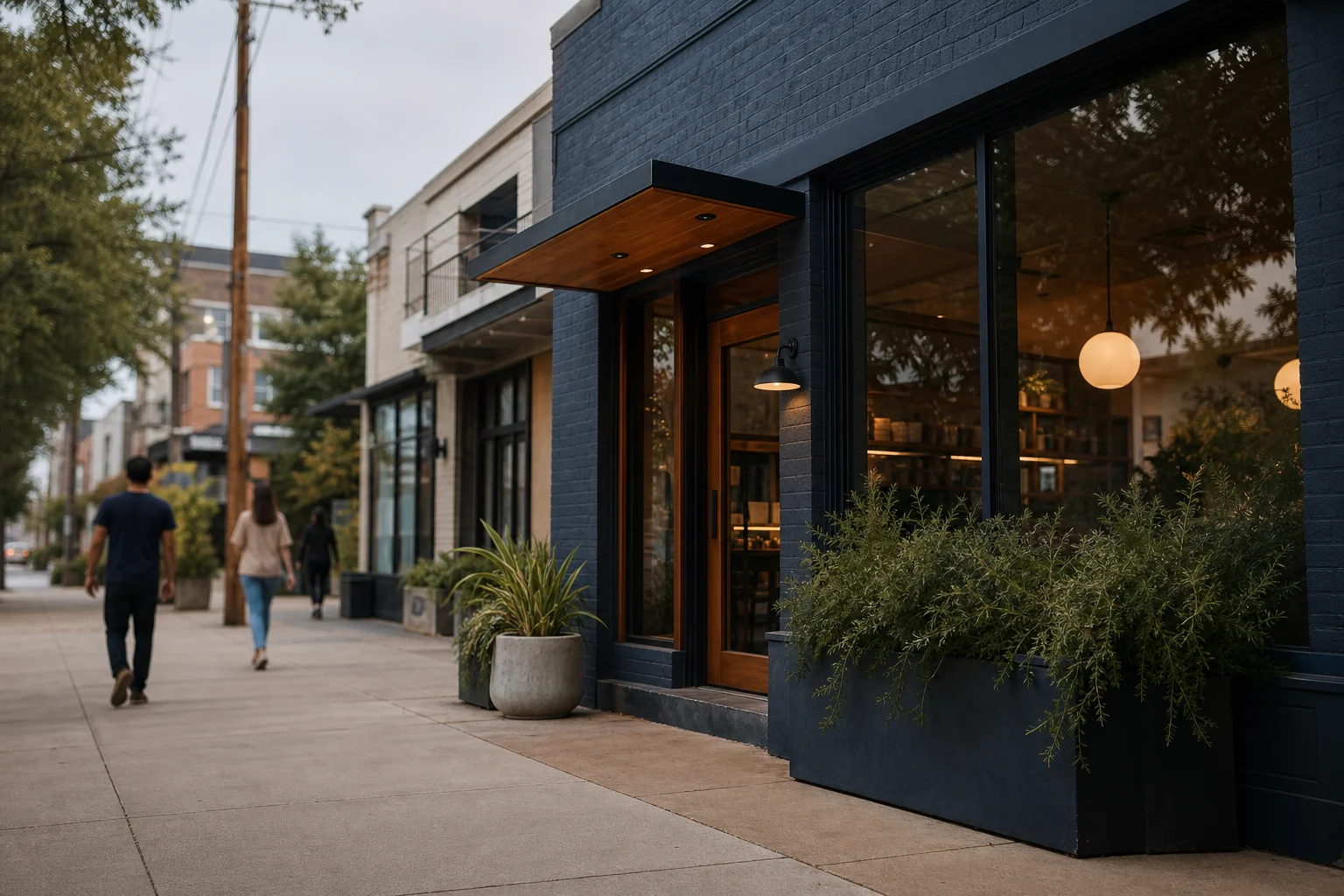
Main startup cost categories
The cost structure for opening a dessert shop in New York includes several major categories. Rent represents the largest fixed cost, followed by buildout and equipment expenses. Permits and licensing add another layer of costs. Hiring and payroll expenses continue beyond the initial investment. Opening inventory requires capital that ties up cash. Finally, maintaining a cash reserve provides operational flexibility during the critical early months.
Each category carries its own cost pressures and considerations. Rent varies dramatically by neighborhood and property type. Buildout costs depend on the condition of the space and the complexity of your design. Equipment needs range from basic to specialized based on your dessert offerings. Permits and licensing requirements can be complex and time-consuming. Hiring costs include both wages and training expenses. Opening inventory must balance variety with perishability concerns. Cash reserves should cover at least several months of operating expenses.
Rent and lease assumptions in New York
Rent levels in New York vary significantly by neighborhood. Locavisor neighborhood scoring identifies three top areas for dessert shops based on overall fit scores. Harlem (6.4/10) ranks as the best fit with strong evening daypart performance and maxed-out daytime population density. Rent runs roughly $30-50/sqft NNN in Harlem's 125th St corridor, making it workable for medium-budget operators.
Astoria (6.1/10) ranks second with perfect competitionFit and rentFit scores. The 30th Ave / Broadway corridor offers strong walkability and excellent evening daypart performance. Roughly 8,000 potential repeat households exist within 800m of this area. Rent runs roughly $30-50/sqft NNN, similar to Harlem.
Sunset Park (6.0/10) offers the lowest rent of the top three areas at roughly $20-35/sqft NNN. The 8th Ave Chinatown corridor provides strong walkability and a dense residential base. Roughly 10,500 weekday workers are within 800m near Industry City, creating substantial daytime traffic potential.
Market temperature is mixed across these areas, with medium competition density. Rent level is low overall, providing some cost relief for operators. Score confidence stands at 78%, indicating reliable data for decision-making based on the 2026-05 snapshot.
Buildout, equipment, payroll, opening inventory, permits, and cash reserve
Buildout costs depend on the condition of your chosen space and the complexity of your design. A basic buildout might involve minimal changes to an existing space, while a full buildout requires complete renovation. Equipment needs vary based on your dessert offerings, from basic refrigeration to specialized baking equipment. Payroll expenses include not only wages but also training costs for your team.
Opening inventory requires careful planning to balance variety with perishability concerns. Permits and licensing represent necessary but often underestimated costs. Cash reserves provide crucial flexibility during the critical early months of operation when revenue may not yet cover expenses.
Common cost traps include underestimating buildout complexity, over-investing in equipment that doesn't align with your actual needs, and failing to account for the time required to obtain necessary permits. Each of these can significantly impact your startup budget and timeline.

Lean vs moderate vs generous launch budgets
Founders must decide on their approach to budget allocation based on their specific circumstances and risk tolerance. A lean budget minimizes initial investment but may limit growth potential. A moderate budget balances initial investment with future flexibility. A generous budget maximizes initial investment for premium positioning and faster growth.
The rent levels in New York's top dessert shop areas suggest that a moderate budget approach may be most viable. Harlem, Astoria, and Sunset Park all offer relatively low rent levels compared to other New York neighborhoods, allowing for more budget flexibility in other areas.
What to validate before spending money
Before committing significant funds, founders should validate several key assumptions. Lease assumptions require careful verification of not just rent but also common charges, lease term length, renewal options, and tenant improvement allowances. Buildout scope should be validated through detailed quotes from multiple contractors.
Equipment needs should be carefully aligned with actual menu requirements rather than aspirational offerings. Payroll models must account not just for staffing needs but also for payroll taxes and benefits. Opening inventory levels should be based on realistic sales projections rather than optimistic assumptions.
Cash reserve requirements should be calculated based on conservative revenue projections and realistic expense levels. Finally, local professional review from an accountant, attorney, and industry advisor can identify potential issues before they become costly problems.
FAQ
How much does it cost to open A Dessert Shop in New York?
The exact total cost to open a dessert shop in New York cannot be estimated from the provided data. Startup costs vary significantly based on location, size, concept, and operational approach. Founders should validate key variables including lease terms, buildout scope, equipment needs, payroll requirements, inventory levels, permit costs, and cash reserve needs before developing a comprehensive budget. The rent levels in top areas like Harlem ($30-50/sqft NNN), Astoria ($30-50/sqft NNN), and Sunset Park ($20-35/sqft NNN) provide a starting point for cost planning, but many other factors contribute to the total investment required.
Last reviewed: 2026-05-08
Sources: U.S. Census Bureau ACS, LEHD LODES, Google Places, OpenStreetMap, Locavisor neighborhood scoring.
Methodology: Locavisor scores neighborhoods across demand, competition fit, rent fit, accessibility, and customer match. Scores reflect a snapshot of recent data and should be combined with on-the-ground research before lease decisions.
Disclaimer: This article provides informational content only and does not constitute legal, financial, accounting, or real-estate advice. Verify lease terms, licensing, local regulations, costs, and professional requirements with qualified local professionals before making business decisions.
Free preview shows top 3 neighborhoods. Full $9.99 report covers all 10 areas with personalized scoring + 90-day check-ins.
Informational only. Verify lease, licensing, local regulations, costs, and professional requirements with qualified local professionals.