Philadelphia, PA · dessert shop
Cost to open a dessert shop in Philadelphia
Opening a dessert shop in Philadelphia requires careful planning and understanding of the local market dynamics. The cost to open a dessert shop in Philadelphia varies significantly based on location, concept, and scale. With a mixed market temperature, medium competition density, and medium rent level, Philadelphia presents both opportunities and challenges for aspiring dessert shop founders. This guide breaks down the practical startup-cost stack to help you make informed decisions before investing capital.
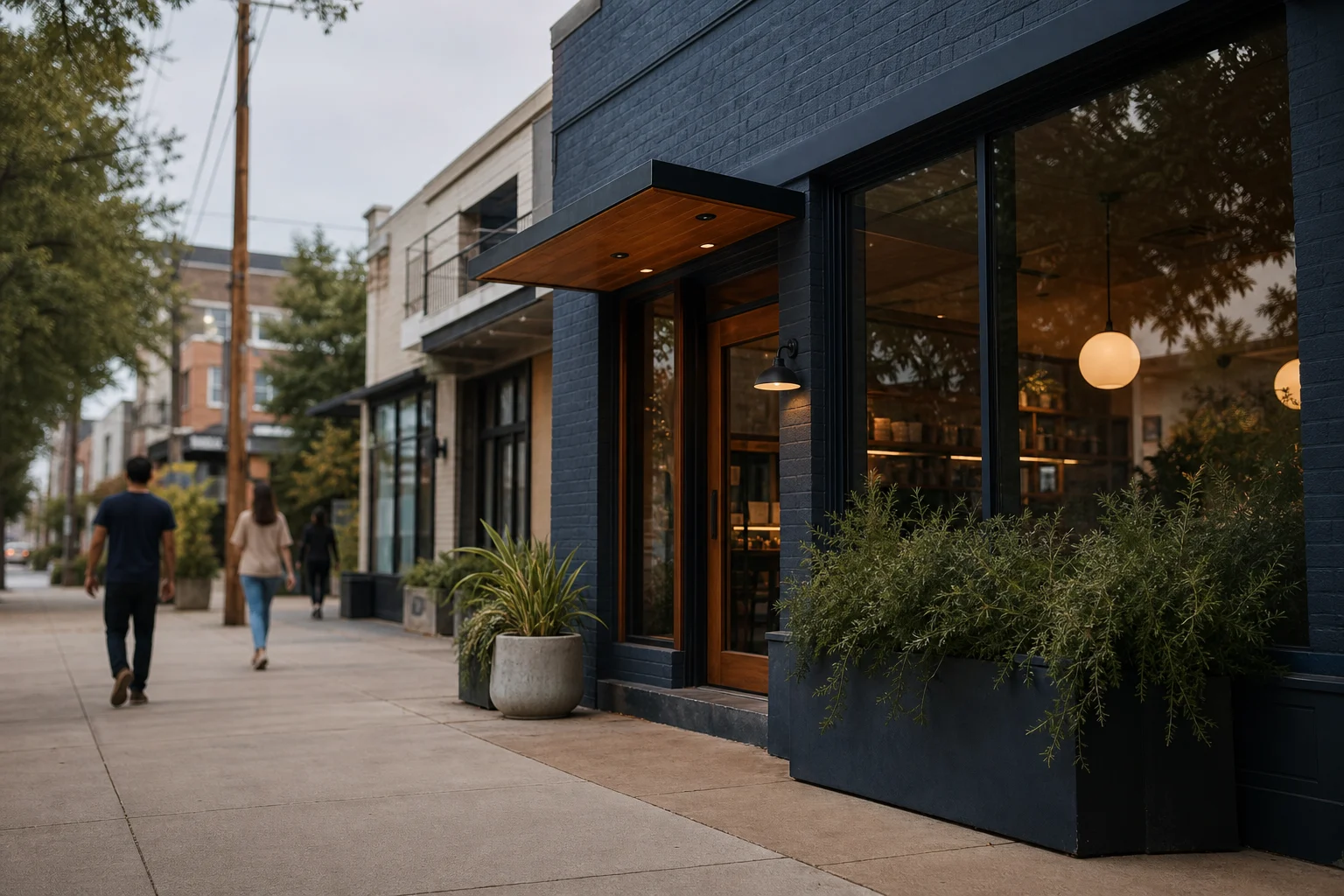
Main startup cost categories
Starting a dessert shop involves several key cost categories that founders must plan for. Each category comes with its own set of considerations and potential cost pressures. Understanding these categories helps you allocate resources effectively and avoid common pitfalls. The main areas of investment include rent and lease assumptions, buildout and equipment, payroll, opening inventory, permits, and cash reserves. Each of these elements interacts with the others to create your total startup cost structure.
Rent and lease assumptions in Philadelphia
Location selection significantly impacts your startup costs and ongoing expenses. Locavisor neighborhood scoring identifies three top areas for a dessert shop in Philadelphia, each with distinct characteristics affecting rent assumptions.
Powelton Village (6.5/10) emerges as the best fit for a dessert shop, with an overall score of 6.5/10. This area edges out the field thanks to Drexel adjacency and a student-heavy base that aligns perfectly with dessert impulse. Expect roughly $45-70/sqft NNN for commercial space here. The area delivers strong evening and late-night daypart potential, and Coco's Cookies and Creamery (4.5★, 277 reviews) proves dessert demand exists. The medium rent level creates moderate cost pressure for your lease commitment.
University City (5.9/10) sits at the Penn/Drexel nexus with city-leading daytime population density and strong office-worker lunch traffic. However, rent runs roughly $65-95/sqft NNN, which represents premium pricing for a medium-budget dessert concept. The area already has established players including Insomnia Cookies (4.1★, 265 reviews), Surreal Creamery (4.5★, 212 reviews), Van Leeuwen (4.8★, 329 reviews), and Ben & Jerry's (4.0★, 250 reviews). This higher rent level increases your fixed cost structure while the existing competition requires more marketing investment to gain market share.
Brewerytown (5.7/10) offers a different cost profile with reasonable rent ($30-50/sqft NNN) and strong residential density. The trade-off is a thinner daytime worker pool and minimal student/tourist traffic. The dessert scene is sparse, with Fresh Donuts (4.0★, 23 reviews) being the only direct competitor. While the evening daypart is solid, you'd be relying heavily on neighborhood repeat traffic rather than impulse footfall. This lower rent reduces your fixed costs but may require more investment in marketing to build awareness beyond the immediate neighborhood.
Buildout, equipment, payroll, opening inventory, permits, and cash reserve
Beyond rent, several other cost categories require careful consideration. Buildout costs depend on the condition of your space and your concept requirements. A turnkey space reduces immediate outlay but may limit customization. A raw space offers more flexibility but requires significant investment in construction, plumbing, electrical work, and finishes.
Equipment represents another major expense category. Your specific menu determines the equipment needs, which could include display cases, refrigeration, baking equipment, POS systems, and furniture. The medium competition density in Philadelphia suggests that standard equipment may not differentiate your concept, while premium equipment could increase costs without guaranteed returns.
Payroll costs depend on your staffing model and local wage requirements. Philadelphia's labor market requires competitive wages to attract skilled staff. Consider whether you'll need full-time or part-time employees, and how staffing levels change between peak and slow periods. The student population in areas like Powelton Village may provide access to part-time workers, but turnover could be higher.
Opening inventory represents your initial product stock. The perishable nature of many dessert items means inventory management is critical to waste reduction. Consider your sales projections and supplier relationships when planning initial inventory levels.
Permit costs vary based on your specific concept and location requirements. Philadelphia's regulatory environment requires proper licensing for food service, which may include health department permits, business licenses, and potentially specific certifications depending on your offerings.
Cash reserves are essential for covering expenses before reaching profitability. The mixed market temperature in Philadelphia suggests that customer acquisition may take time, requiring sufficient operating capital to sustain your business through the initial period.

Lean vs moderate vs generous launch budgets
Founders approach dessert shop launches with varying budget philosophies, each with trade-offs. A lean launch minimizes upfront investment by focusing on essentials and deferring non-critical expenses. This approach reduces financial risk but may limit your ability to create a strong first impression or handle unexpected challenges.
A moderate launch balances investment across key areas, allowing for quality equipment, adequate staffing, and marketing support. This approach provides more flexibility in responding to market feedback while maintaining financial discipline. The medium rent level in Philadelphia makes this approach feasible for many concepts.
A generous launch maximizes investment across all categories, creating an impressive customer experience from day one. This approach reduces operational constraints but increases financial risk, particularly in a mixed market temperature. The premium rent areas like University City may require this approach to compete with established players.
The right approach depends on your concept, financial resources, and risk tolerance. Consider how each budget level affects your ability to execute your business plan and respond to market feedback.
What to validate before spending money
Before committing significant capital, validate key assumptions to reduce risk. Lease assumptions require careful verification beyond published rates. Consider actual foot traffic patterns, visibility from the street, parking availability, and proximity to complementary businesses. The student base in Powelton Village may look promising on paper, but verify actual spending patterns and competition.
Buildout scope validation means understanding the true condition of your space and the actual costs of bringing it to operational status. Get multiple contractor bids and account for potential delays and cost overruns. The medium rent level doesn't guarantee buildout affordability.
Equipment needs validation requires distinguishing between must-have items and nice-to-have additions. Consider how each piece of equipment contributes to your concept and operational efficiency. The medium competition density suggests that equipment alone won't differentiate your business.
Payroll model validation means testing your staffing assumptions against actual demand. Consider part-time versus full-time staff, and how labor costs scale with sales volume. Philadelphia's labor market may require higher wages than anticipated.
Opening inventory validation means testing supplier relationships and delivery reliability. Consider the perishable nature of dessert items and how that affects your initial inventory investment.
Cash reserve validation means planning for longer-than-expected customer acquisition periods. The mixed market temperature suggests that reaching profitability may take longer than optimistic projections.
Local professional review means engaging with Philadelphia-specific experts who understand the local market dynamics. Consider consulting with a commercial real estate broker familiar with dessert shop locations, a restaurant consultant with Philadelphia experience, and an accountant familiar with local tax implications.
FAQ
How much does it cost to open A Dessert Shop in Philadelphia?
The exact total startup cost cannot be estimated from the provided data. Opening a dessert shop in Philadelphia involves multiple variables that require validation before determining your specific investment needs. Key factors include your chosen location (rent levels vary significantly between Powelton Village, University City, and Brewerytown), buildout requirements based on your space's condition, equipment needs determined by your menu concept, staffing model aligned with local wage requirements, opening inventory levels considering perishable goods, permit costs specific to your concept, and cash reserves to sustain operations during customer acquisition. Each of these elements interacts with others to create your total startup cost structure, making personalized validation essential before committing capital.
Last reviewed: 2026-05-08
Sources: U.S. Census Bureau ACS, LEHD LODES, Google Places, OpenStreetMap, Locavisor neighborhood scoring.
Methodology: Locavisor scores neighborhoods across demand, competition fit, rent fit, accessibility, and customer match. Scores reflect a snapshot of recent data and should be combined with on-the-ground research before lease decisions.
Disclaimer: This article provides informational content only and does not constitute legal, financial, accounting, or real-estate advice. Verify lease terms, licensing, local regulations, costs, and professional requirements with qualified local professionals before making business decisions.
Free preview shows top 3 neighborhoods. Full $9.99 report covers all 10 areas with personalized scoring + 90-day check-ins.
Informational only. Verify lease, licensing, local regulations, costs, and professional requirements with qualified local professionals.