Phoenix, AZ · dessert shop
Cost to open a dessert shop in Phoenix
Opening a dessert shop in Phoenix requires careful planning of startup costs. The cost to open a dessert shop in Phoenix varies based on location, size, concept, and operational needs. This article breaks down the practical startup-cost stack for a dessert shop in Phoenix, covering rent, buildout, equipment, permits, hiring, launch cash, and common cost traps. Understanding these cost categories helps founders validate assumptions before committing significant capital.
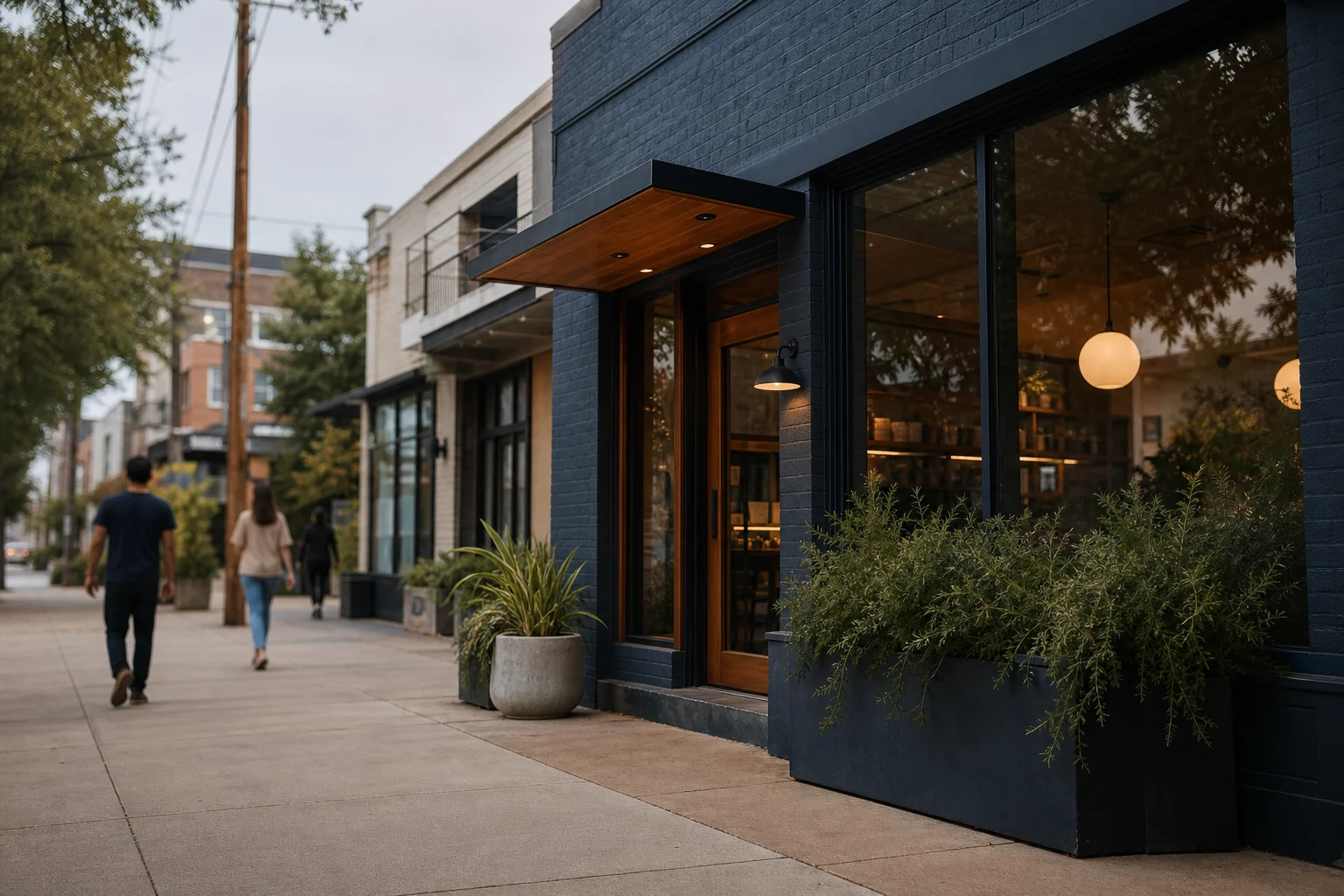
Main startup cost categories
The cost structure for opening a dessert shop in Phoenix includes several key categories. Rent forms the foundation of your fixed costs, followed by buildout expenses to create your space. Equipment represents a significant capital investment, while permits ensure compliance with local regulations. Hiring costs include both initial staffing and ongoing payroll. Opening inventory and launch cash round out the startup needs. Each category requires careful consideration and validation before spending money.
Rent and lease assumptions in Phoenix
Phoenix offers a low rent level for dessert shops, according to Locavisor neighborhood scoring. The market temperature is mixed, with medium competition density. Three areas stand out for dessert shop startups:
Tempe / ASU campus (6.9/10) — Top-ranked area with a 6.9 overall score — the ASU campus corridor on Mill Ave delivers unmatched student density and strong evening/late-night impulse traffic. Insomnia Cookies is already here (3.5★, 365 reviews), but the corridor's walkability and 24-hour student population leave room for a differentiated dessert concept.
Roosevelt Row (6.8/10) — Roosevelt Row scores 6.8 overall — Phoenix's arts district with First Friday event traffic, strong walkability, and a dense coffee-shop ecosystem. No direct dessert-specialty competitor within the core, though BoSa Donuts sits 700m south. Rent is roughly $30-50/sqft NNN.
Camelback Corridor (6.1/10) — Camelback Corridor scores 6.1 — the Biltmore-area office corridor with strong daytime worker density and above-average affluence. Rent is roughly $30-50/sqft NNN (neighborhood corridor tier). The late-night score is weak, so this is a lunch-to-early-dinner play.
Each area offers distinct advantages and challenges for dessert shop entrepreneurs. The data vintage is 2026-05 snapshot with a score confidence of 78%.
Buildout, equipment, payroll, opening inventory, permits, and cash reserve
Buildout costs depend on your space's condition and your concept's requirements. A dessert shop may need specialized equipment like refrigeration, display cases, and preparation stations. The scope of buildout directly impacts your timeline and budget.
Equipment represents a significant portion of startup costs. Beyond the basics, consider specialized items for your dessert concept. Quality equipment affects both product consistency and operational efficiency.
Payroll costs extend beyond initial hiring to ongoing staffing needs. Your model should account for varying traffic patterns throughout the week and seasonal fluctuations. Consider both full-time and part-time positions to optimize labor costs.
Opening inventory requires careful planning based on your menu and expected demand. Initial inventory levels should support operations while minimizing waste. Consider supplier relationships and delivery schedules when planning inventory needs.
Permits ensure compliance with health, safety, and business regulations. The permitting process can be time-consuming, so factor this into your timeline. Local professional review can help identify specific requirements for your concept.
Cash reserves provide a buffer for unexpected expenses during the launch phase. The amount needed depends on your concept's complexity and market conditions. A conservative approach to cash reserves helps navigate early challenges.

Lean vs moderate vs generous launch budgets
Founders approach dessert shop launches with varying budget philosophies. A lean launch minimizes upfront costs while focusing on core offerings. This approach reduces financial risk but may limit initial impact.
A moderate launch balances cost considerations with brand development. This approach typically includes quality equipment and a well-designed space while maintaining operational efficiency.
A generous launch maximizes brand impact with premium equipment, extensive buildout, and comprehensive staffing. This approach carries higher financial risk but can establish a stronger market presence.
The optimal budget depends on your concept, target market, and financial resources. Validate your budget assumptions against market realities before committing to spending.
What to validate before spending money
Before investing significant capital in your dessert shop, validate several key assumptions. Lease assumptions should include not just rent but also common area maintenance, property taxes, and lease terms. Consider the location's foot traffic patterns and alignment with your target market.
Buildout scope requires validation against your concept's needs and budget constraints. Consider phased approaches to manage costs while maintaining quality. Professional input can help identify cost-effective solutions.
Equipment needs should align with your menu and operational requirements. Consider both initial investment and long-term maintenance costs. Quality equipment often proves more cost-effective over time.
Payroll models should reflect realistic staffing needs based on expected traffic patterns. Consider cross-training staff to optimize labor costs. Factor in payroll taxes and benefits when calculating staffing costs.
Opening inventory levels should support initial operations while minimizing waste. Consider supplier relationships and delivery schedules when planning inventory needs. Inventory management systems can help optimize stock levels.
Cash reserve requirements depend on your concept's complexity and market conditions. A conservative approach helps navigate early challenges. Consider seasonal variations and unexpected expenses when planning cash reserves.
Local professional review can identify specific requirements and potential cost traps. Industry-specific insights help validate assumptions and avoid costly mistakes.
FAQ
How much does it cost to open A Dessert Shop in Phoenix?
The exact total cost to open a dessert shop in Phoenix cannot be estimated from the provided data. Startup costs vary significantly based on location, size, concept, and operational needs. To determine your specific requirements, validate lease assumptions, buildout scope, equipment list, payroll model, opening inventory needs, and cash reserve requirements. Local professional review can provide more accurate estimates based on your specific concept and circumstances.
Last reviewed: 2026-05-08
Sources: U.S. Census Bureau ACS, LEHD LODES, Google Places, OpenStreetMap, Locavisor neighborhood scoring.
Methodology: Locavisor scores neighborhoods across demand, competition fit, rent fit, accessibility, and customer match. Scores reflect a snapshot of recent data and should be combined with on-the-ground research before lease decisions.
Disclaimer: This article provides informational content only and does not constitute legal, financial, accounting, or real-estate advice. Verify lease terms, licensing, local regulations, costs, and professional requirements with qualified local professionals before making business decisions.
Free preview shows top 3 neighborhoods. Full $9.99 report covers all 10 areas with personalized scoring + 90-day check-ins.
Informational only. Verify lease, licensing, local regulations, costs, and professional requirements with qualified local professionals.