San Francisco, CA · dessert shop
Cost to open a dessert shop in San Francisco
Opening a dessert shop in San Francisco requires careful planning of startup costs. The cost to open a dessert shop in San Francisco varies significantly based on location, scale, and business model. Before investing capital, founders should understand the key cost categories and validate assumptions against local market conditions.
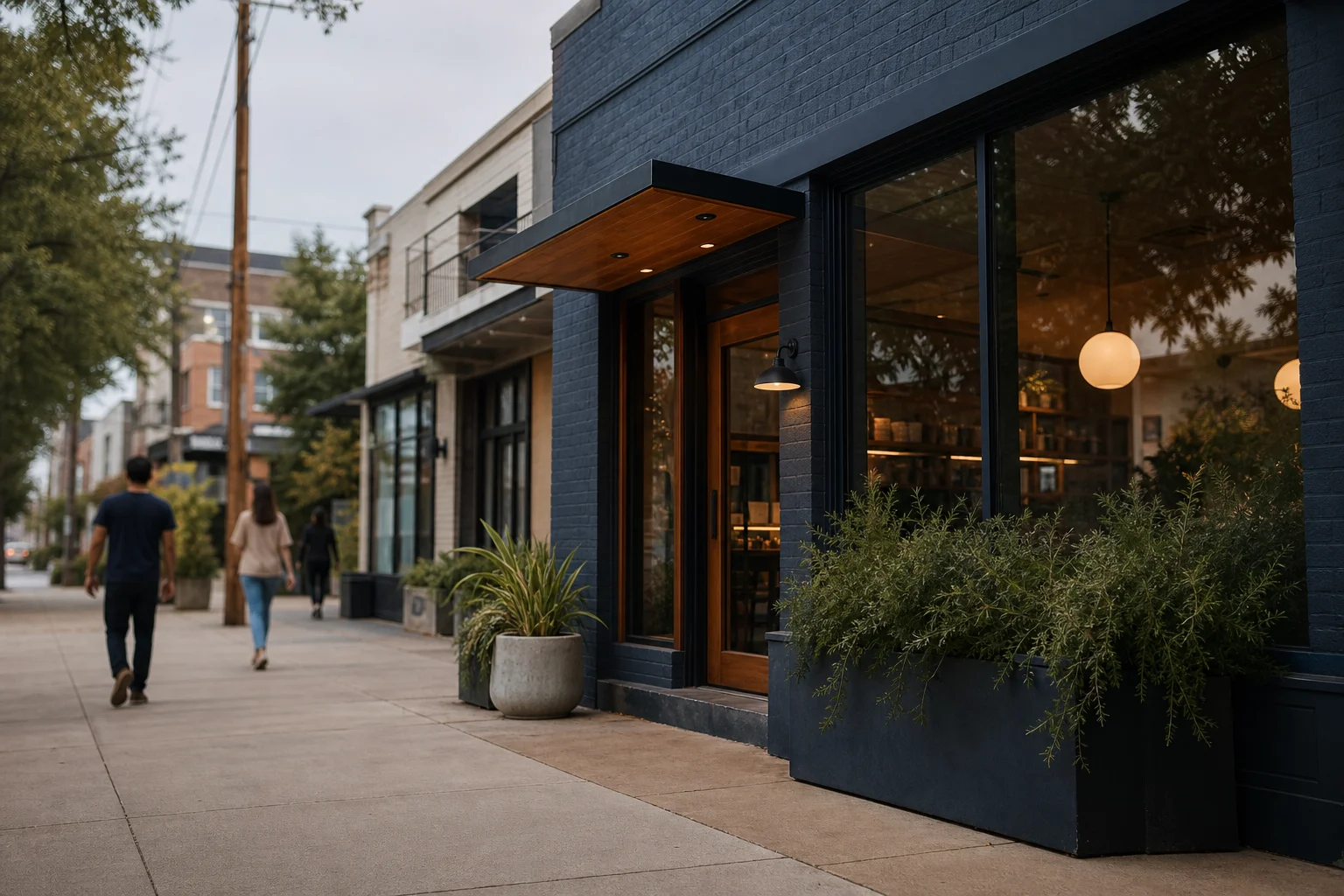
Main startup cost categories
The cost structure for opening a dessert shop in San Francisco includes several major components. Rent represents the largest fixed expense, followed by buildout, equipment, permits, hiring, and opening inventory. Each category carries different cost pressures depending on neighborhood characteristics and competition density.
San Francisco's market temperature is mixed, with medium competition density across potential locations. Founders should prioritize areas with strong foot traffic while considering customer demographics that support dessert spending. The rent level across top neighborhoods is medium, ranging from $45-70/sqft NNN according to Locavisor neighborhood scoring.
Rent and lease assumptions in San Francisco
Location selection significantly impacts the cost to open a dessert shop in San Francisco. Based on Locavisor neighborhood scoring with 70% confidence as of 2026-05, three areas stand out for dessert shop concepts:
Tenderloin (5.9/10) offers the highest foot-traffic ceiling in SF for a dessert concept — maxed-out walkability, transit, and daytime population. Rent is manageable at roughly $45-70/sqft NNN. But customerMatch is weak (3.6): the area's affluence is below-average and the social-services context means impulse dessert spend is thin.
Nob Hill (5.8/10) combines upscale residential density with strong tourist and office adjacency. Rent is similar to Tenderloin at roughly $45-70/sqft NNN. This location may attract customers with higher disposable income but faces different competitive pressures.
Excelsior / Outer Mission (5.5/10) is a genuine neighborhood corridor with strong residential density and family index — the highest family score of any ranked area. Rent is roughly $45-70/sqft NNN. The corridor already supports multiple inexpensive bakeries (Pacita's, Hong Kong Bakery, Princess Bakery) and one donut shop (Glaze Donuts, 4.3★).
Each neighborhood presents different cost pressures. Tenderloin offers maximum foot traffic but lower impulse dessert spending. Nob Hill provides more affluent customers but faces different competitive dynamics. Excelsior/Outer Mission has strong family appeal but existing bakery competition.
Buildout, equipment, payroll, opening inventory, permits, and cash reserve
Beyond rent, buildout represents a significant cost category for dessert shops. The scope of renovation depends on the condition of the space and brand requirements. Equipment costs vary based on production capacity and menu complexity.
Payroll expenses include hiring skilled pastry chefs, counter staff, and management. Opening inventory requires sourcing quality ingredients and packaging. Permits and licenses are necessary but their costs vary by location and specific requirements.
Cash reserves should cover at least six months of operating expenses. The mixed market temperature in San Francisco means revenue projections should be conservative. Founders should account for seasonal fluctuations and changing consumer preferences.

Lean vs moderate vs generous launch budgets
The cost to open a dessert shop in San Francisco can vary dramatically based on launch budget approach. A lean budget might focus on a smaller footprint with used equipment and minimal staff. A moderate budget allows for better equipment and more comprehensive staffing. A generous budget supports premium locations, custom buildouts, and experienced teams.
Each approach carries different risk profiles. Lean launches may limit growth potential but reduce initial capital requirements. Moderate launches balance cost with quality. Generous launches position for premium pricing but require significant upfront investment.
The medium rent level across top neighborhoods provides flexibility for different budget approaches. However, the mixed market temperature suggests that even generous budgets should include contingency planning for slower-than-expected revenue growth.
What to validate before spending money
Before committing significant capital to open a dessert shop in San Francisco, founders should validate several key assumptions. Lease terms should be carefully reviewed, especially regarding NNN costs and renewal options. Buildout scope should align with brand positioning and operational needs.
Equipment requirements must match production capacity and menu complexity. Payroll models should reflect realistic staffing needs for expected sales volumes. Opening inventory levels should balance freshness with waste reduction.
Permit requirements vary by location and should be thoroughly investigated. Cash reserves should cover all startup costs plus at least six months of operating expenses. Local professional review from attorneys, accountants, and industry experts can identify potential cost traps.
The medium competition density across top neighborhoods means differentiation is crucial. Founders should validate how their concept will stand out in the market. The customerMatch weakness in Tenderloin suggests additional validation of spending patterns in that area.
FAQ
How much does it cost to open A Dessert Shop in San Francisco?
The exact total cost to open a dessert shop in San Francisco cannot be estimated from the provided data. Startup costs vary significantly based on location, scale, and business model. Founders should validate lease assumptions, buildout scope, equipment requirements, payroll models, opening inventory levels, permit costs, and cash reserve needs before determining their specific investment requirements.
The rent level across top neighborhoods is medium, ranging from $45-70/sqft NNN. However, other cost categories including buildout, equipment, permits, hiring, and inventory will significantly impact the total investment. The mixed market temperature and medium competition density suggest conservative planning is advisable.
Last reviewed: 2026-05-08
Sources: U.S. Census Bureau ACS, LEHD LODES, Google Places, OpenStreetMap, Locavisor neighborhood scoring.
Methodology: Locavisor scores neighborhoods across demand, competition fit, rent fit, accessibility, and customer match. Scores reflect a snapshot of recent data and should be combined with on-the-ground research before lease decisions.
Disclaimer: This article provides informational content only and does not constitute legal, financial, accounting, or real-estate advice. Verify lease terms, licensing, local regulations, costs, and professional requirements with qualified local professionals before making business decisions.
Free preview shows top 3 neighborhoods. Full $9.99 report covers all 10 areas with personalized scoring + 90-day check-ins.
Informational only. Verify lease, licensing, local regulations, costs, and professional requirements with qualified local professionals.