Washington, DC · dessert shop
Cost to open a dessert shop in Washington
Opening a dessert shop in Washington requires careful planning of startup costs. The cost to open a dessert shop in Washington varies based on location, size, and concept. This guide breaks down the practical startup-cost stack for a dessert shop in Washington, DC.
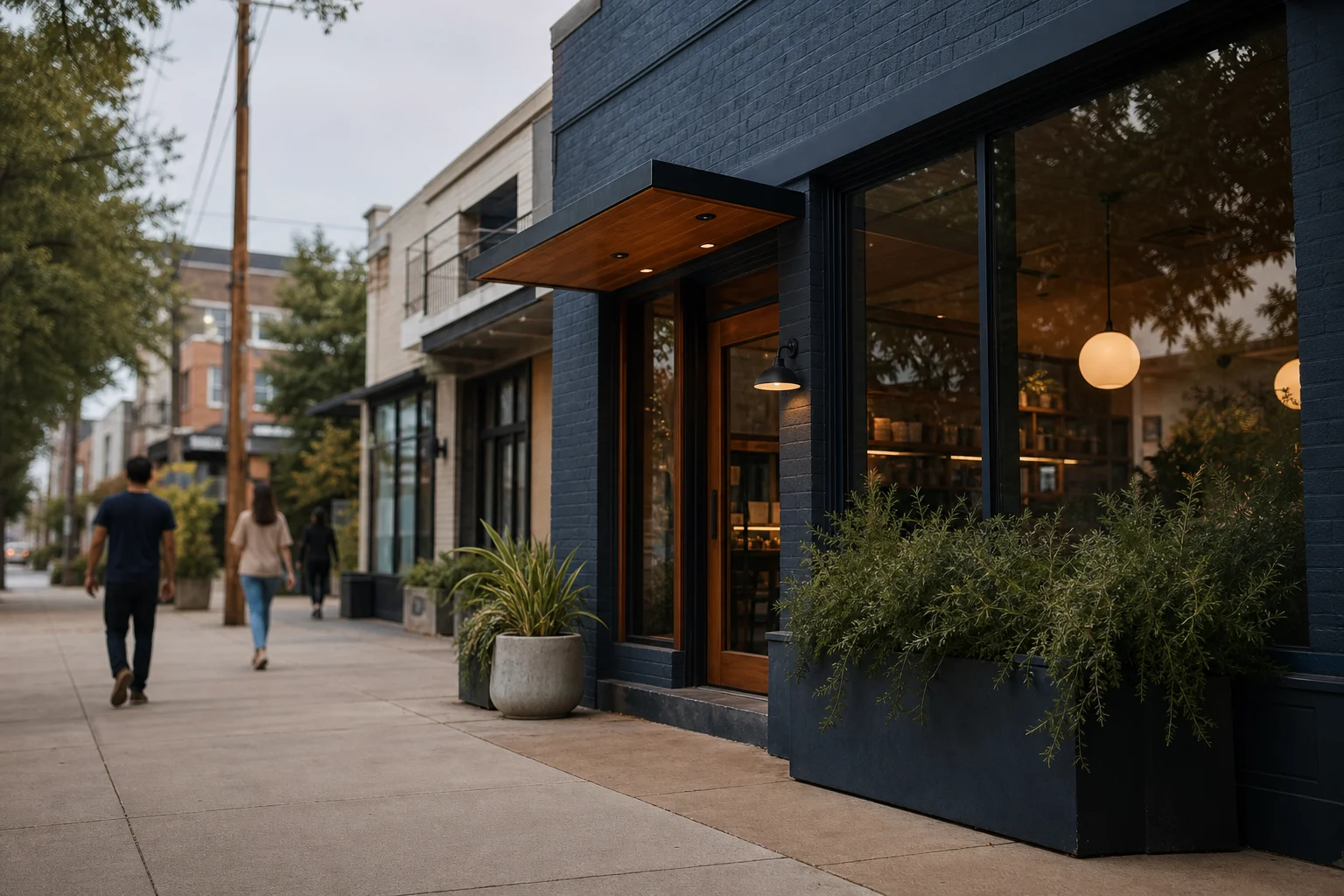
Main startup cost categories
The cost to open a dessert shop in Washington involves several key categories. Rent represents the largest fixed cost, followed by buildout, equipment, permits, hiring, launch inventory, and cash reserves. Each category requires validation before committing funds.
Rent costs vary significantly across Washington neighborhoods. The best area for a dessert shop is Foggy Bottom / GWU (7.4/10), where rent runs roughly $30-50/sqft NNN. This area has unmatched student + office daytime density. The existing dessert scene is thin, with Captain Cookie & the Milk Man (4.1★, 680 reviews) as the only direct competitor. D/Lai Ice Cream (4.8★, 52 reviews) proves local demand for premium sweets.
Chevy Chase DC (6.2/10) offers an upscale residential corridor along Connecticut Ave anchored by Chevy Chase Pavilion and Friendship Heights Metro. Rent is roughly $30-50/sqft NNN. No direct dessert competitors exist, but the customer base skews affluent and family-oriented, which may not match a student-centric dessert format.
Ivy City (6.0/10) provides the most affordable option with rent roughly $20-35/sqft NNN. This industrial-reuse corridor near Union Market features breweries, food halls, and growing residential. No direct dessert competitors exist. The area has moderate residential reach of ≈7,000 households within 800m, but tourist traffic is near-zero and late-night demand is thin.
Rent and lease assumptions in Washington
Rent assumptions must align with neighborhood characteristics. Foggy Bottom / GWU offers the best positioning despite medium competition density and mixed market temperature. The student + office daytime density creates natural foot traffic for a dessert shop. Rent level is low compared to other DC commercial areas, making it workable for medium budgets.
Chevy Chase DC presents an upscale market with low competition density. The affluent customer base may support premium pricing, but the family-oriented nature might limit late-night business. Rent level is low, matching Foggy Bottom / GWU, but the market temperature is mixed.
Ivy City offers the lowest rent level but faces challenges with tourist traffic and late-night demand. The industrial-reuse corridor has moderate residential reach but lacks the daytime density of other areas. The cost advantage must be balanced against potential revenue limitations.
Buildout, equipment, payroll, opening inventory, permits, and cash reserve
Buildout costs depend on the condition of the leased space and your concept requirements. A dessert shop may require specialized equipment like display cases, refrigeration, and preparation stations. The scale of equipment investment should match your expected volume and menu complexity.
Payroll needs vary based on staffing model and hours of operation. A dessert shop typically requires bakers, counter staff, and management. Labor costs should be modeled around neighborhood characteristics—Foggy Bottom / GWU may need more staff during daytime hours, while Ivy City might require evening coverage.
Opening inventory costs depend on your menu and supplier relationships. Dessert shops require consistent quality ingredients that may have seasonal availability challenges. Inventory levels should balance freshness with waste reduction.
Permit requirements in Washington include health department approvals, food handler certifications, and business licenses. The specific permits needed depend on your menu and operational scale. Local professional review is essential to ensure compliance.
Cash reserves should cover at least six months of operating expenses. The reserve amount depends on your rent level, payroll needs, and other fixed costs. A larger cash buffer provides flexibility during the initial ramp-up period.

Lean vs moderate vs generous launch budgets
A lean launch budget minimizes fixed costs while testing market demand. This approach might involve a smaller footprint, used equipment, and limited menu options. The trade-off is reduced capacity and potentially lower quality perception.
A moderate launch budget balances cost control with quality positioning. This approach typically includes new equipment, a well-designed space, and a comprehensive menu. The Foggy Bottom / GWU location works well with a moderate budget due to its rent level and daytime traffic.
A generous launch budget maximizes quality and market impact. This approach includes premium equipment, extensive buildout, and a full menu with multiple price points. Chevy Chase DC might support a generous budget given its affluent customer base, though the family-oriented nature may limit late-night operations.
What to validate before spending money
Before committing funds, validate your lease assumptions. Confirm the quoted rent of $30-50/sqft NNN in Foggy Bottom / GWU and compare it to actual market rates. Verify the terms including lease length, renewal options, and improvement allowances.
Validate your buildout scope against neighborhood characteristics. Foggy Bottom / GWU's student + office daytime density suggests different design needs than Ivy City's residential focus. The buildout should support your operational flow and customer experience.
Validate your equipment list against expected volume. A dessert shop in a high-traffic area like Foggy Bottom / GWU may require more robust equipment than one in Ivy City. Consider both initial investment and long-term maintenance costs.
Validate your payroll model against neighborhood patterns. Foggy Bottom / GWU may require more daytime staff, while Ivy City might need evening coverage. Labor costs should align with expected revenue patterns.
Validate your opening inventory strategy against supplier capabilities. Dessert ingredients require careful handling and may have seasonal availability challenges. Test supplier reliability before launch.
Validate your cash reserve against actual operating expenses. The reserve should cover at least six months of fixed costs, with adjustments based on neighborhood-specific factors like Foggy Bottom / GWU's daytime traffic patterns.
Finally, validate all assumptions with local professional review. An accountant, lawyer, and industry-specific consultant can provide insights tailored to Washington's market conditions.
FAQ
How much does it cost to open A Dessert Shop in Washington?
The exact total cost to open a dessert shop in Washington cannot be estimated from the provided data. Startup costs vary significantly based on location, size, concept, and operational model. The cost to open a dessert shop in Washington depends on factors like rent levels in your chosen neighborhood, buildout requirements, equipment needs, staffing model, inventory levels, permit costs, and cash reserves. Before committing funds, validate your lease assumptions, buildout scope, equipment list, payroll model, opening inventory strategy, and cash reserve requirements with local professionals familiar with Washington's market conditions.
Last reviewed: 2026-05-08
Sources: U.S. Census Bureau ACS, LEHD LODES, Google Places, OpenStreetMap, Locavisor neighborhood scoring.
Methodology: Locavisor scores neighborhoods across demand, competition fit, rent fit, accessibility, and customer match. Scores reflect a snapshot of recent data and should be combined with on-the-ground research before lease decisions.
Disclaimer: This article provides informational content only and does not constitute legal, financial, accounting, or real-estate advice. Verify lease terms, licensing, local regulations, costs, and professional requirements with qualified local professionals before making business decisions.
Free preview shows top 3 neighborhoods. Full $9.99 report covers all 10 areas with personalized scoring + 90-day check-ins.
Informational only. Verify lease, licensing, local regulations, costs, and professional requirements with qualified local professionals.