Columbus, OH · dry cleaner
Cost to open a dry cleaner in Columbus
Opening a dry cleaner in Columbus requires careful planning and understanding of the local market dynamics. The cost to open a dry cleaner in Columbus varies significantly based on location, equipment needs, and operational scale. This guide provides a qualitative framework for understanding the startup cost stack without offering specific financial estimates.
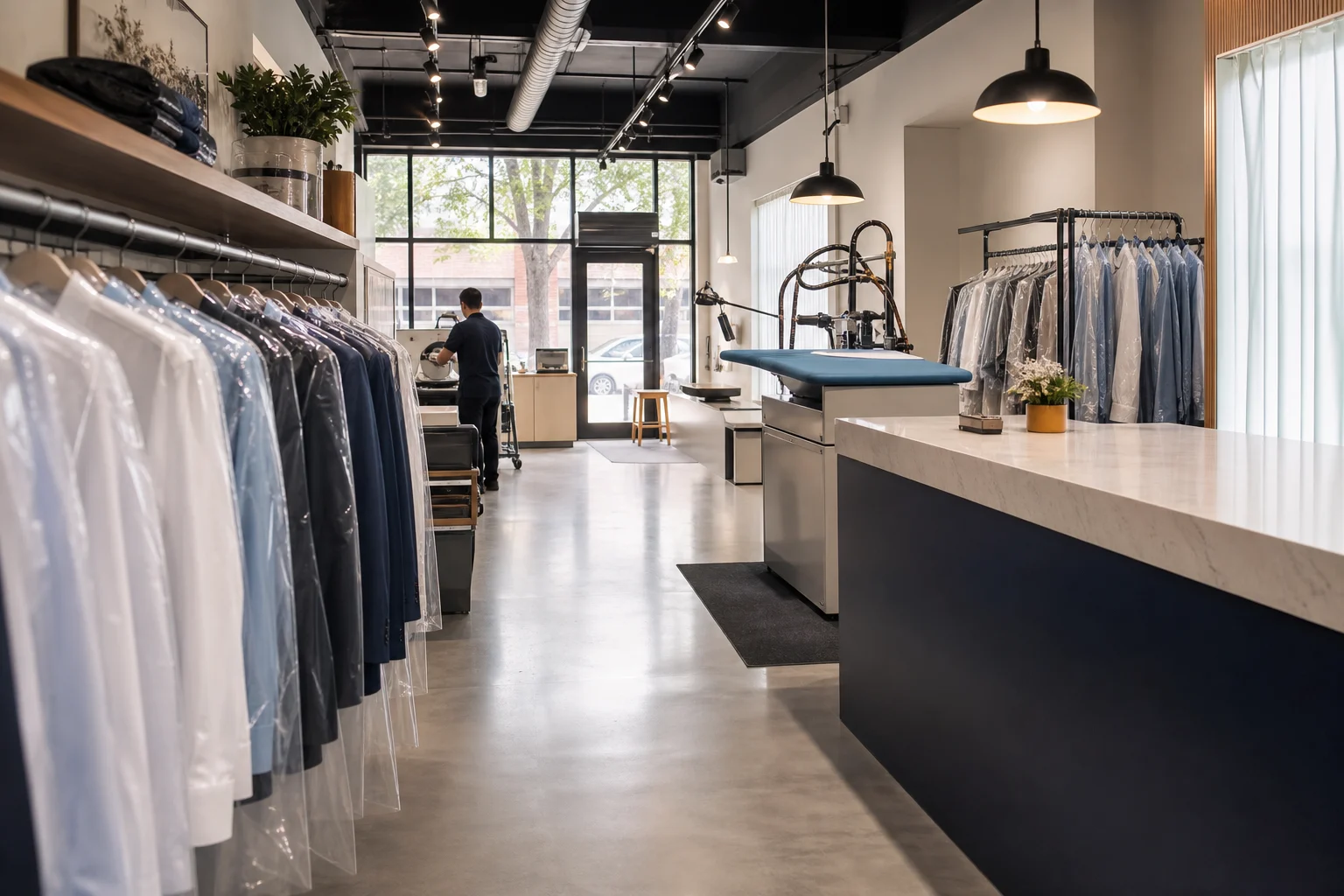
Main startup cost categories
When planning to open a dry cleaner in Columbus, founders should consider several key cost categories. These include rent and lease assumptions, buildout expenses, equipment acquisition, payroll requirements, opening inventory, permits and licensing, and cash reserves for the initial launch period. Each category carries its own set of considerations and potential cost pressures that vary based on location choices and business model.
The market temperature for dry cleaning in Columbus is promising with medium competition density. Founders should approach each cost category with a validation mindset, focusing on what needs to be confirmed before committing significant resources. This article provides a framework for thinking through these costs without offering specific dollar estimates or financial projections.
Rent and lease assumptions in Columbus
Location selection significantly impacts the cost structure of a dry cleaner in Columbus. Based on Locavisor neighborhood scoring, three areas stand out for potential dry cleaner locations:
Easton (7.5/10) — Easton Town Center area is your strongest bet — zero existing dry-cleaners within the search radius, a maxed-out office-worker lunch crowd, and strong daytime population density. Expect roughly $45-70/sqft NNN. The trade-off: rent is at the upper edge of medium-budget tolerance, and the car-access score is below-average for a business where 55% of customers arrive by car.
Polaris (6.8/10) — Polaris ranks second with strong office-worker demand and zero direct competitors, but the rent proxy is in the premium tier — roughly $65-95/sqft NNN. The affluence level is above-average, which supports higher price points, but the rentFit score of 3.4 is a real warning for a medium-budget operator.
Short North (6.6/10) — Short North has the best walkability and daytime density in Columbus, plus a single existing dry-cleaner (Dublin Cleaners, 5★, 57 reviews) 266m from the centroid. But rent is in the premium $65-95/sqft NNN range and the rentFit score of 2.5 is the lowest in this set — a serious risk for medium-budget operators.
The rent level across these locations ranges from medium to high, with Easton representing the most balanced option for a medium-budget operator. The positioning of a dry cleaner near Easton's office-worker corridor with curbside drop-off could capitalize on the strong daytime population density despite the below-average car-access score.
Buildout, equipment, payroll, opening inventory, permits, and cash reserve
Beyond rent, several significant cost categories require careful consideration when opening a dry cleaner in Columbus.
Buildout expenses will depend on the condition of the leased space and the specific requirements of dry cleaning operations. The scope of buildout should align with the business model and target customer experience. For a dry cleaner near Easton's office-worker corridor, the buildout might prioritize efficient drop-off and pickup processes to accommodate the customer base.
Equipment represents a substantial investment for any dry cleaner. The specific equipment needs will vary based on the scale of operations and service offerings. Founders should research industry-standard equipment requirements and consider both new and refurbished options to manage costs.
Payroll requirements will depend on the staffing model and service hours. A dry cleaner in Columbus will need to account for wages, benefits, and training costs for staff who handle cleaning, pressing, customer service, and management functions.
Opening inventory includes supplies such as cleaning solvents, hangers, bags, and other materials needed to commence operations. The initial inventory level should be sufficient to support early operations while avoiding overstocking.
Permits and licensing requirements for a dry cleaner in Columbus may include local business licenses, environmental permits for handling cleaning chemicals, and potentially health department approvals. The specific requirements should be verified with local authorities.
Cash reserves are critical for covering initial expenses before the business achieves sustainable revenue. Founders should plan for several months of operating expenses to bridge the gap between opening and achieving consistent cash flow.

Lean vs moderate vs generous launch budgets
When planning the cost to open a dry cleaner in Columbus, founders should consider different approaches to budget allocation. A lean budget might focus on essential equipment and minimal buildout, potentially limiting the initial service offerings. A moderate budget would allow for standard industry equipment and a functional customer experience. A generous budget could support premium equipment, extensive buildout, and comprehensive service offerings.
The appropriate budget level depends on the target market position and competitive landscape. In areas like Easton with strong daytime population density but no existing dry cleaners, a moderate to generous budget might be justified to establish a strong market presence. In contrast, areas with existing competitors might require a leaner approach to maintain competitive pricing.
Regardless of budget approach, founders should validate all assumptions before committing resources. This includes confirming rent terms, equipment requirements, staffing needs, and customer demand through direct research and professional consultations.
What to validate before spending money
Before committing significant resources to open a dry cleaner in Columbus, founders should validate several key assumptions:
Lease assumptions should be thoroughly reviewed, including not just the base rent but also common area maintenance (CAM) charges, property taxes, insurance requirements, and lease terms. The rent levels mentioned in the Top 3 areas represent starting points for negotiation.
Buildout scope should align with both business needs and budget constraints. Founders should obtain detailed quotes from contractors and verify that the planned buildout meets all regulatory requirements.
Equipment list should be validated through industry research and consultations with equipment suppliers. Consider both new and refurbished options, and ensure that selected equipment meets the planned service capacity.
Payroll model should be based on realistic staffing needs and wage expectations. Consider both full-time and part-time staffing options and factor in payroll taxes and benefits costs.
Opening inventory requirements should be determined through industry benchmarks and supplier consultations. Avoid overstocking while ensuring sufficient supplies to support initial operations.
Cash reserve should be sufficient to cover all startup costs plus several months of operating expenses. Consider potential delays in achieving revenue targets and plan accordingly.
Local professional review is essential. Consult with commercial real estate brokers, dry cleaning industry experts, and local business advisors to validate assumptions and identify potential blind spots.
FAQ
How much does it cost to open A Dry Cleaner in Columbus?
The exact total cost to open a dry cleaner in Columbus cannot be estimated from the provided data. The cost variables that need validation include lease terms and buildout requirements, which vary significantly by location. Equipment costs depend on the scale and quality of machinery chosen. Payroll expenses are determined by staffing needs and wage rates. Inventory levels should align with projected demand. Permit costs vary by local requirements. Cash reserves must cover startup costs plus operating expenses until sustainable revenue is achieved. Founders should conduct thorough research and professional consultations to develop accurate cost estimates for their specific business model and location choice.
Last reviewed: 2026-05-08
Sources: U.S. Census Bureau ACS, LEHD LODES, Google Places, OpenStreetMap, Locavisor neighborhood scoring.
Methodology: Locavisor scores neighborhoods across demand, competition fit, rent fit, accessibility, and customer match. Scores reflect a snapshot of recent data and should be combined with on-the-ground research before lease decisions.
Disclaimer: This article provides informational content only and does not constitute legal, financial, accounting, or real-estate advice. Verify lease terms, licensing, local regulations, costs, and professional requirements with qualified local professionals before making business decisions.
Free preview shows top 3 neighborhoods. Full $9.99 report covers all 10 areas with personalized scoring + 90-day check-ins.
Informational only. Verify lease, licensing, local regulations, costs, and professional requirements with qualified local professionals.