Detroit, MI · dry cleaner
Cost to open a dry cleaner in Detroit
Opening a dry cleaner in Detroit requires navigating a unique set of cost pressures specific to the city's commercial real estate market and local business environment. Detroit's downtown revitalization has created new opportunities for service businesses, but the cost structure differs significantly from other Michigan markets. The city's commercial rent bands, neighborhood dynamics, and local competition all factor into the financial planning for a new dry cleaning operation. Understanding these cost drivers is essential before committing capital to a new venture.
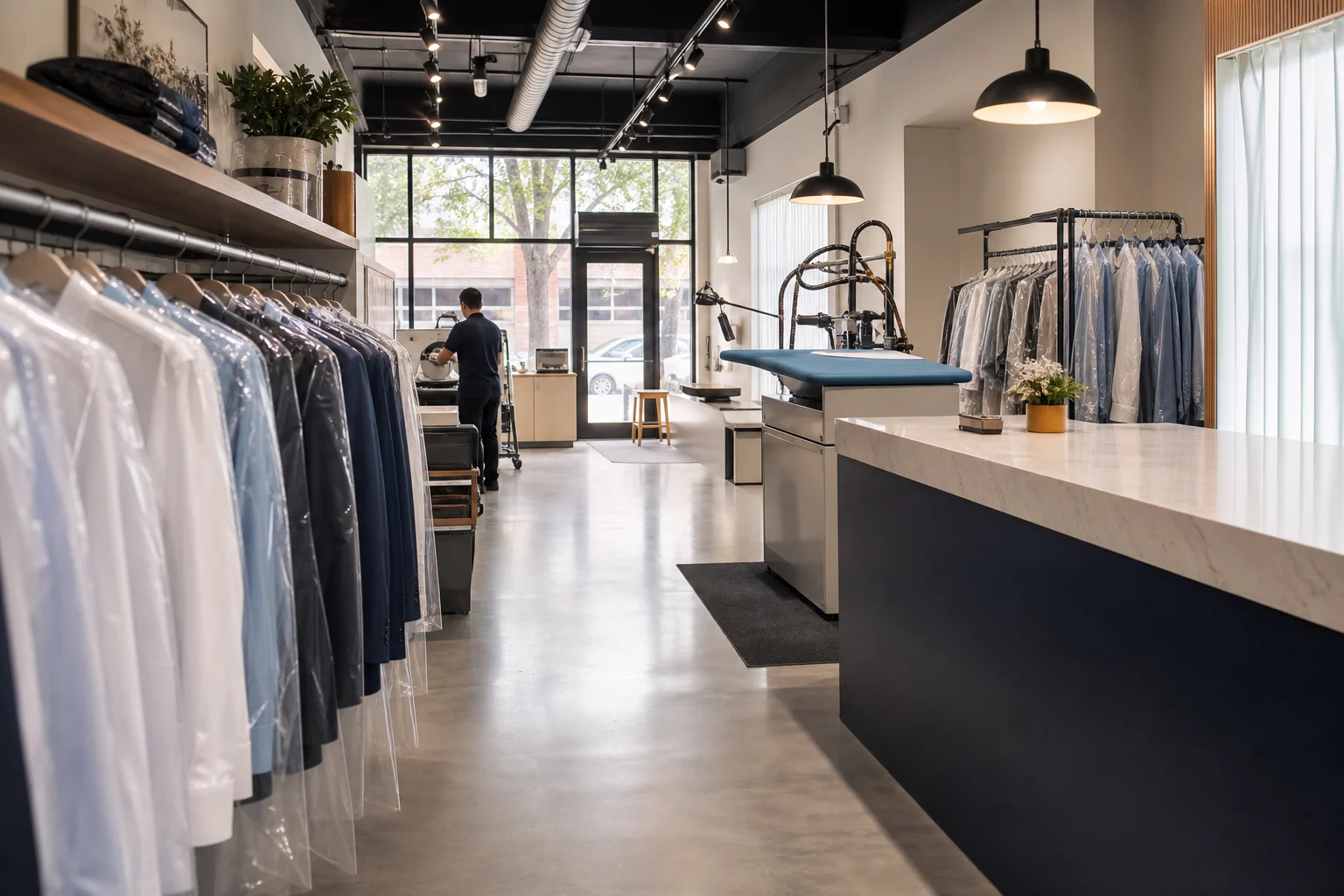
What does it cost to open a dry cleaner in Detroit?
The cost to open a dry cleaner in Detroit varies widely based on location, size, and operational model. Detroit's commercial real estate market presents specific challenges and opportunities that directly impact startup expenses. The city's downtown core and surrounding neighborhoods offer different rent structures, customer demographics, and competitive landscapes that affect the financial viability of a new dry cleaning business. Unlike other Michigan cities, Detroit's commercial rent bands typically range from $11-$29/sqft/yr NNN across its most desirable neighborhoods, creating a distinct cost profile for entrepreneurs.
Major cost categories
Lease deposit and first/last month
Securing commercial space in Detroit's prime neighborhoods requires careful budgeting for lease-related costs. The deposit structure varies by landlord but typically includes first and last month's rent plus a security deposit. In Detroit's top neighborhoods like Lafayette Park (score 8.1/10) and Greektown (score 8.0/10), the commercial rent bands of $11-$29/sqft/yr NNN create specific financial requirements for prospective dry cleaner owners. These neighborhoods, with their high foot traffic and established customer bases, command premium rates but offer greater revenue potential. The lease deposit alone can represent a significant upfront cost, often equivalent to two to three months' rent, which must be factored into the initial capital requirements.
Tenant improvements and buildout
The condition of the commercial space directly impacts buildout costs. Detroit's older buildings, while potentially offering lower rents, may require substantial improvements to meet modern dry cleaning standards. Electrical systems, plumbing, and ventilation are critical considerations that can significantly increase initial investment. The rent band of $11-$29/sqft/yr NNN in neighborhoods like Downtown Detroit (score 7.8/10) and Eastern Market (score 7.0/10) reflects varying building conditions and the associated buildout expenses. Some spaces may require complete renovation, while others might need only minor modifications to accommodate dry cleaning equipment and customer service areas.
Equipment and furniture
Dry cleaning equipment represents a major capital expenditure that varies based on the scale of operations. The type and quality of machinery, from dry cleaning machines to pressing equipment, significantly impact both initial costs and long-term operational efficiency. Furniture requirements include customer waiting areas, reception desks, and storage solutions. The equipment selection must align with the business model-whether focusing on drop-off service, full-service cleaning, or specialized garment care. These costs are often underestimated and can consume a substantial portion of the startup budget, particularly when considering maintenance and warranty expenses.
Licenses, permits, and insurance
Regulatory compliance adds another layer of costs to opening a dry cleaner in Detroit. Business licenses, environmental permits for chemical handling, and health department approvals are mandatory. Insurance requirements, including liability coverage and workers' compensation, vary based on the number of employees and the specific services offered. The city's regulatory environment may have specific requirements for dry cleaning businesses, particularly concerning solvent handling and waste disposal. These costs, while not as substantial as equipment or rent, are essential for legal operation and must be included in the financial planning.
Initial inventory or supplies
Starting inventory of cleaning supplies, solvents, and garment care products represents an immediate cash outlay. The type and quantity of supplies depend on the anticipated volume of business and the specific services offered. Dry cleaning chemicals, hangers, bags, and other consumables must be stocked before opening. The initial inventory investment varies based on the business model but typically ranges from several thousand dollars for a small operation to significantly more for larger facilities. These costs are recurring and must be factored into ongoing operational expenses.
Pre-opening payroll and training
Hiring and training staff before opening requires careful cash flow management. Salaries for management and technical staff, plus training programs, represent pre-opening expenses. The number of employees needed depends on the business model and hours of operation. Training costs include both initial instruction and certification for handling specialized cleaning processes. These payroll expenses, while temporary, can strain cash reserves if not properly budgeted.
Working capital reserve
A working capital reserve is essential for covering operational expenses during the initial months of business when revenue may be inconsistent. This reserve should cover at least three to six months of operating costs, including rent, utilities, payroll, and supplies. The reserve amount varies based on the business model and location but is critical for weathering the typical startup period when customer volume builds gradually. Many new businesses underestimate this requirement, leading to cash flow problems shortly after opening.
How Detroit compares to other MI markets
Detroit's commercial real estate market differs significantly from other Michigan cities, affecting startup costs for dry cleaners. While rent bands of $11-$29/sqft/yr NNN are consistent across Detroit's top neighborhoods, other Michigan markets may offer different pricing structures. Detroit's downtown revitalization has created higher demand in certain areas, pushing rents upward, while other neighborhoods offer more affordable options. The city's unique economic landscape, including tax incentives and development programs, can offset some costs but requires careful navigation. Comparing Detroit to markets like Ann Arbor or Grand Rapids reveals different customer demographics and competitive landscapes that impact revenue potential and, consequently, the financial viability of a new dry cleaning business.
What competition looks like in the top areas
Detroit's top neighborhoods for dry cleaners present varying competitive landscapes. In Greektown, Clifford Street Cleaners operates with a 3.9-star rating from 34 reviews, indicating an established presence. The neighborhood's high foot traffic and tourist appeal create both opportunities and competition. Lafayette Park, with its score of 8.1/10, offers a different customer base focused on residential and office workers. Downtown Detroit, scoring 7.8/10, presents a competitive environment with multiple service businesses vying for the same customer segments. Understanding the existing competition, their service offerings, and pricing strategies is crucial for positioning a new dry cleaner effectively. The rent band of $11-$29/sqft/yr NNN in these areas reflects the value of location but also the cost of accessing these customer bases.
Common cost overrun patterns
Several cost areas frequently exceed initial budgets for new dry cleaners in Detroit. Buildout expenses often run higher than projected due to unexpected structural issues or regulatory requirements. Equipment costs can escalate when upgrading to more efficient or environmentally friendly models. Permitting and compliance costs sometimes increase due to unforeseen regulatory hurdles. Inventory and supply costs frequently exceed estimates as businesses discover specific customer needs. These overruns can strain cash reserves and impact the overall viability of the venture. Careful contingency planning and realistic budgeting are essential to mitigate these risks.
How to validate your number before committing capital
Validating cost assumptions is critical before proceeding with a dry cleaner startup in Detroit. Researching actual rent prices in target neighborhoods, not just relying on advertised ranges, provides more accurate figures. Obtaining multiple equipment quotes and understanding total cost of ownership helps avoid surprises. Consulting with local business owners, including those in related service industries, offers valuable insights into hidden costs. Reviewing recent permit applications and compliance requirements ensures regulatory costs are properly estimated. Creating detailed cash flow projections that account for seasonal variations and startup ramp-up periods provides a more realistic financial picture. These validation steps help entrepreneurs make informed decisions and avoid costly mistakes.
| Neighborhood | Locavisor score | Rent band | Local operator signal | Founder validation check |
|---|---|---|---|---|
| Lafayette Park | 8.1/10 | $11-$29/sqft/yr NNN | No direct operator listed | Validate lease terms, buildout condition, equipment scope, and reserves. |
| Greektown | 8.0/10 | $11-$29/sqft/yr NNN | Clifford Street Cleaners | Validate lease terms, buildout condition, equipment scope, and reserves. |
| Downtown Detroit | 7.8/10 | $11-$29/sqft/yr NNN | Clifford Street Cleaners | Validate lease terms, buildout condition, equipment scope, and reserves. |
| Eastern Market | 7.0/10 | $11-$29/sqft/yr NNN | No direct operator listed | Validate lease terms, buildout condition, equipment scope, and reserves. |
| Corktown | 6.9/10 | $11-$29/sqft/yr NNN | No direct operator listed | Validate lease terms, buildout condition, equipment scope, and reserves. |

FAQ
What are the most affordable neighborhoods in Detroit for opening a dry cleaner?
Corktown (score 6.9/10) and Eastern Market (score 7.0/10) offer relatively more affordable options within Detroit's commercial real estate market, with rent bands of $11-$29/sqft/yr NNN. These neighborhoods provide access to customers while potentially reducing initial rent expenses compared to higher-scoring areas like Lafayette Park or Greektown.
How does Detroit's regulatory environment affect dry cleaner startup costs?
Detroit's regulatory requirements for dry cleaners include specific permits for chemical handling and waste disposal, which can add to startup costs. Compliance with environmental regulations and health department standards may require additional investments in equipment or procedures.
What factors most impact the profitability of a dry cleaner in Detroit?
Location within Detroit's neighborhoods, customer traffic patterns, service pricing, and operational efficiency are key factors affecting profitability. Neighborhoods with higher foot traffic and established commercial activity, like Downtown Detroit, may offer better revenue potential despite higher rent costs.
Last reviewed: 2026-05-30
Sources: U.S. Census Bureau ACS, LEHD LODES, Google Places, OpenStreetMap, Locavisor neighborhood scoring.
Methodology: Locavisor scores neighborhoods across demand, competition fit, rent fit, accessibility, and customer match. Scores reflect a snapshot of recent data and should be combined with on-the-ground research before lease decisions.
Disclaimer: This article provides informational content only and does not constitute legal, financial, accounting, or real-estate advice. Verify lease terms, licensing, local regulations, costs, and professional requirements with qualified local professionals before making business decisions.
Free preview shows top 3 neighborhoods. Full $9.99 report covers all 10 areas with personalized scoring + 90-day check-ins.
Informational only. Verify lease, licensing, local regulations, costs, and professional requirements with qualified local professionals.