Fort Worth, TX · dry cleaner
Cost to open a dry cleaner in Fort Worth
Opening a dry cleaner in Fort Worth means navigating a mix of local market dynamics, neighborhood-specific costs, and operational realities. The city's top neighborhoods for this business type-Sundance Square, Hospital District/Park Hill, Arlington Heights/Westover Hills, Stockyards, and West 7th-carry distinct rent bands ($25-$85/sqft/yr NNN) and anchor points that shape startup expenses. Unlike generic cost guides, this breakdown focuses on what founders must validate locally: lease terms, buildout conditions, equipment scope, and competition density. Fort Worth's dry cleaning market isn't defined by a single total cost but by how well you align your budget with neighborhood-specific pressures.
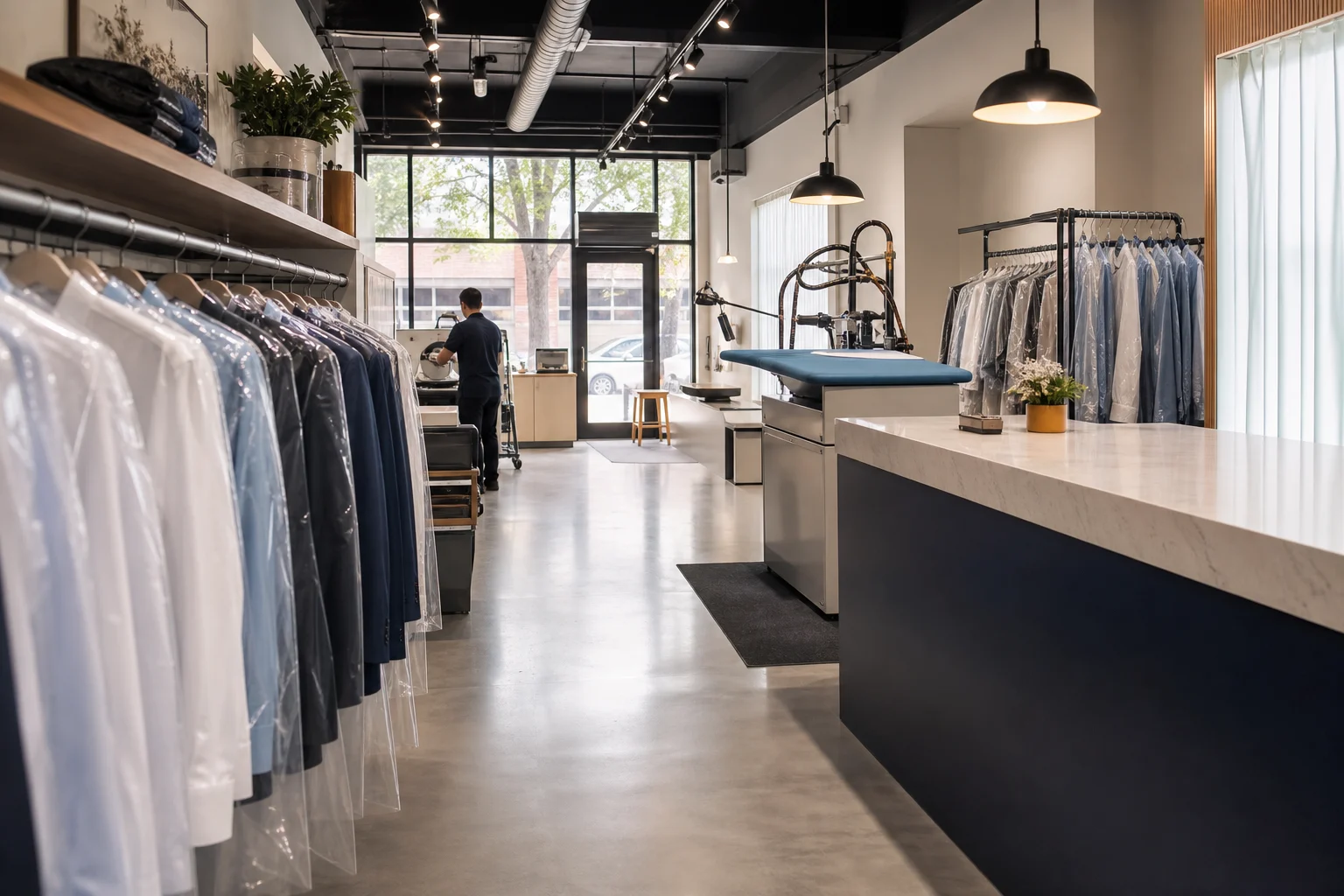
What does it cost to open a dry cleaner in Fort Worth?
The question "What does it cost to open a dry cleaner in Fort Worth?" doesn't have a one-size-fits-all answer. Costs vary sharply by neighborhood, lease structure, and operational choices. For example, Sundance Square (score 7.1/10) and Hospital District/Park Hill (6.5/10) both fall in the $25-$85/sqft/yr NNN rent band but differ in anchor density-Sundance Square has transit hubs like Fort Worth Central Station, while Hospital District/Park Hill includes Texas Health Harris Methodist Hospital. These differences impact foot traffic, lease negotiations, and buildout needs. Founders must dissect each cost category to avoid underestimating or overcommitting capital.
Major cost categories
Lease deposit and first/last month
Tenant improvements and buildout
Buildout costs hinge on the space's condition. A raw shell in Sundance Square (high foot traffic) may require full HVAC, plumbing, and dry cleaning-specific infrastructure (e.g., solvent systems), while a turnkey space in West 7th (score 6.2/10) with existing retail finishes could cut costs. The Stockyards (6.2/10) has historic buildings that may need compliance upgrades, adding unexpected expenses. Always get a detailed buildout quote from a contractor familiar with Fort Worth's building codes-local regulations for solvent storage or ventilation can drive up costs.
Equipment and furniture
Dry cleaning equipment (washers, dryers, pressing machines) and customer-facing furniture (counters, seating) vary in cost, but quality impacts long-term reliability. Fort Worth's existing operators, like Upper West Cleaners in Sundance Square, use equipment that balances speed and durability. Founders should prioritize energy-efficient models to reduce utility costs, a key operational expense in Texas's hot climate. Avoid overinvesting in premium brands unless local demand (e.g., Sundance Square's artsy clientele) justifies it.
Licenses, permits, and insurance
Fort Worth requires business licenses, health permits (for solvent handling), and liability insurance. The Texas Department of Licensing and Regulation oversees dry cleaning permits, while the city's Environmental Health Department may inspect solvent storage. Insurance costs depend on coverage-general liability, property, and workers' comp are non-negotiable. Always verify requirements with Fort Worth's permitting office to avoid delays.
Initial inventory or supplies
Supplies (detergents, hangers, bags) and initial inventory (cleaning solutions, garment care products) are smaller costs but critical for opening. Fort Worth's dry cleaners, like Carleton Cleaners in Hospital District/Park Hill, stock basics plus specialty items (e.g., leather care). Founders should align inventory with neighborhood demand-Sundance Square's office workers may need quick turnaround, while Stockyards' tourists prefer drop-off services.
Pre-opening payroll and training
Working capital reserve
A reserve for a variable local timeline of operating expenses (rent, payroll, supplies) is non-negotiable. Fort Worth's dry cleaning market has seasonal swings (e.g., holiday rush), so a reserve prevents cash crunches. Sundance Square's high foot traffic may generate faster revenue, but Arlington Heights/Westover Hills' more residential base could mean slower initial growth.
How Fort Worth compares to other TX markets
Fort Worth's dry cleaning rent bands ($25-$85/sqft/yr NNN) are similar to Austin or Dallas but differ in anchor density. For example, Austin's downtown has higher foot traffic, while Fort Worth's Sundance Square balances mall and office anchors. Insurance and permit costs are comparable, but Fort Worth's lower cost of living may reduce payroll expenses. Always compare to nearby cities to gauge competitiveness.
What competition looks like in the top areas
Fort Worth's top neighborhoods have existing dry cleaners that shape market expectations. Upper West Cleaners in Sundance Square (4.7 stars, 41 reviews) offers friendly service and perceived value, while Carleton Cleaners in Hospital District/Park Hill (3.7 stars, 15 reviews) caters to hospital staff. Customer reviews highlight "friendly, courteous service" and "perceived strong value"-founders must match or exceed these standards to stand out. The Stockyards' historic vibe may attract tourists, but competition from local laundromats requires unique offerings (e.g., western-themed packaging).
Common cost overrun patterns
- Buildout surprises: Historic buildings (Stockyards) or outdated infrastructure (West 7th) can reveal hidden costs (e.g., asbestos removal).
- Equipment delays: Shipping or installation issues for specialized dry cleaning machines can push back opening dates.
- Inventory overstock: Overbuying supplies (e.g., too many hangers) ties up cash-start with a lean inventory and restock based on demand.
How to validate your number before committing capital
- Lease terms: Get a written quote from a Fort Worth commercial realtor for your target neighborhood (e.g., Sundance Square's $25-$85/sqft/yr NNN).
- Buildout quotes: Ask 2-3 local contractors for detailed estimates, including code compliance.
- Equipment quotes: Compare prices from Texas-based suppliers for energy-efficient models.
- Permit costs: Contact Fort Worth's Environmental Health Department for permit fees.
- Insurance quotes: Get 3 quotes from local agents for liability and property coverage.
| Neighborhood | Locavisor score | Rent band | Local operator signal | Founder validation check |
|---|---|---|---|---|
| Sundance Square | 7.1/10 | $25-$85/sqft/yr NNN | Upper West Cleaners | Validate lease terms, buildout condition, equipment scope, and reserves. |
| Hospital District / Park Hill | 6.5/10 | $25-$85/sqft/yr NNN | Carleton Cleaners | Validate lease terms, buildout condition, equipment scope, and reserves. |
| Arlington Heights / Westover Hills | 6.3/10 | $25-$85/sqft/yr NNN | No direct operator listed | Validate lease terms, buildout condition, equipment scope, and reserves. |
| Stockyards | 6.2/10 | $25-$85/sqft/yr NNN | No direct operator listed | Validate lease terms, buildout condition, equipment scope, and reserves. |
| West 7th | 6.2/10 | $25-$85/sqft/yr NNN | No direct operator listed | Validate lease terms, buildout condition, equipment scope, and reserves. |

FAQ
What are the top neighborhoods for a dry cleaner in Fort Worth?
The top 5 neighborhoods, per Locavisor scoring, are Sundance Square (7.1/10), Hospital District/Park Hill (6.5/10), Arlington Heights/Westover Hills (6.3/10), Stockyards (6.2/10), and West 7th (6.2/10). All fall in the $25-$85/sqft/yr NNN rent band, with Sundance Square leading for foot traffic and transit access.
Are there existing dry cleaners in the top areas?
Yes. Upper West Cleaners (Sundance Square, 4.7 stars) and Carleton Cleaners (Hospital District/Park Hill, 3.7 stars) are verified local operators. Their presence indicates demand but also competition-founders should differentiate via service or location.
What permits do I need to open a dry cleaner in Fort Worth?
You'll need a Fort Worth business license, Texas dry cleaning permit (from the Department of Licensing and Regulation), and health permits for solvent handling. Always verify with Fort Worth's permitting office to avoid delays.
Last reviewed: 2026-05-30
Sources: U.S. Census Bureau ACS, LEHD LODES, Google Places, OpenStreetMap, Locavisor neighborhood scoring.
Methodology: Locavisor scores neighborhoods across demand, competition fit, rent fit, accessibility, and customer match. Scores reflect a snapshot of recent data and should be combined with on-the-ground research before lease decisions.
Disclaimer: This article provides informational content only and does not constitute legal, financial, accounting, or real-estate advice. Verify lease terms, licensing, local regulations, costs, and professional requirements with qualified local professionals before making business decisions.
Free preview shows top 3 neighborhoods. Full $9.99 report covers all 10 areas with personalized scoring + 90-day check-ins.
Informational only. Verify lease, licensing, local regulations, costs, and professional requirements with qualified local professionals.