Jacksonville, FL · dry cleaner
Cost to open a dry cleaner in Jacksonville
Starting a dry cleaner in Jacksonville requires careful planning of startup costs across multiple categories. The cost to open a dry cleaner in Jacksonville varies significantly based on location, equipment needs, and operational scale. Before investing capital, founders should understand the full cost stack to make informed decisions about their business model and budget allocation.
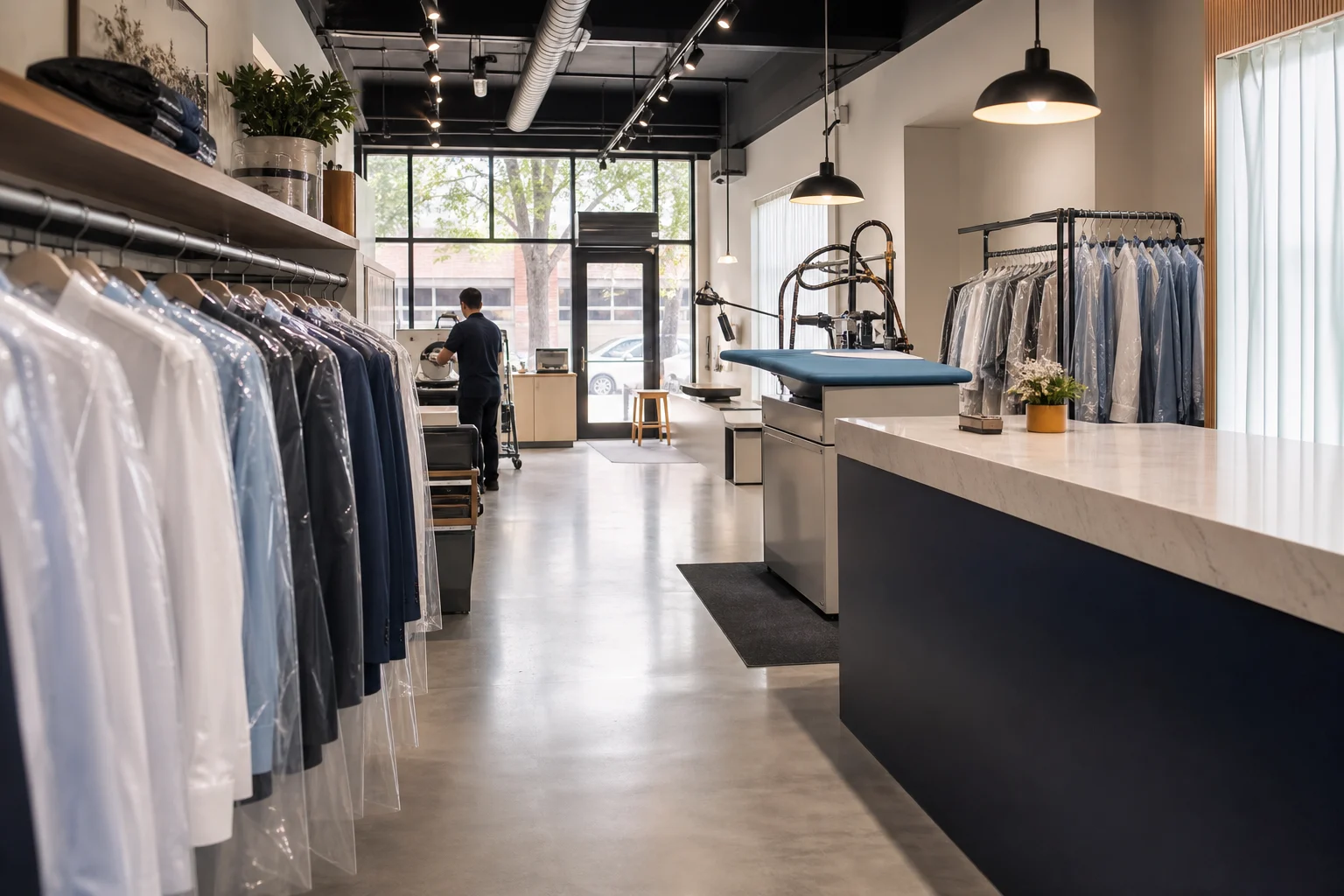
Main startup cost categories
The primary cost categories for launching a dry cleaner in Jacksonville include rent and lease assumptions, buildout and equipment, payroll, opening inventory, permits, and cash reserves. Each category carries different cost pressures depending on your chosen location and business approach. The market temperature in Jacksonville is mixed, with medium competition density and medium-high rent levels, according to Locavisor neighborhood scoring.
Rent typically represents the largest fixed cost for a dry cleaner business. Jacksonville offers several neighborhoods with different rent characteristics that affect your overall startup budget. The best area for a dry cleaner is UNF / Tinseltown with a score of 6.4/10, positioning it as the top-ranked location for this business type.
Rent and lease assumptions in Jacksonville
When evaluating rent options in Jacksonville, consider the three top-ranked areas for dry cleaner businesses. UNF / Tinseltown (6.4/10) offers roughly $20-35/sqft NNN, which is very affordable for a medium-budget operator. This area is anchored by St. Johns Town Center and UNF, with zero direct dry-cleaner competitors within the search radius. However, Park Place Cleaners sits 630m away at 4.9★ over 296 reviews, representing a strong incumbent.
Atlantic Beach / Neptune Beach / Jax Beach (6.2/10) presents moderate rent at roughly $30-50/sqft NNN. These Beaches communities have zero dry-cleaner competitors detected in the search area, which is unusual for a dense residential corridor. The area draws a mix of young professionals, tourists, and established families, with approximately 8,000 potential repeat households within 800m.
Brooklyn (6.0/10) offers very affordable rent at roughly $20-35/sqft NNN. This downtown-adjacent redevelopment zone is walkable and transit-connected, with strong office density near Fidelity and coworking spaces. No dry-cleaner competitors are detected in the search area, which is notable given the daytime worker population.
Buildout, equipment, payroll, opening inventory, permits, and cash reserve
Buildout costs depend heavily on the condition of your commercial space and the specific requirements of dry cleaning operations. Equipment represents another major expense category, including pressing machines, cleaning units, and finishing equipment. The scale of your equipment investment should align with your service offerings and capacity needs.
Payroll costs include hiring and training staff for various roles from front counter to specialized cleaning technicians. Opening inventory covers initial supplies like cleaning solvents, hangers, bags, and packaging materials. Permits and licensing requirements vary by location and should be researched thoroughly before signing any lease.
Cash reserves are critical for covering operating expenses during the ramp-up period before reaching steady-state revenue. The market temperature in Jacksonville is mixed, so founders should plan for a longer-than-expected ramp-up time. A conservative cash reserve strategy helps navigate the inevitable challenges of launching any new business.

Lean vs moderate vs generous launch budgets
A lean launch budget focuses on essential equipment and minimal staffing, often operating with a smaller footprint. This approach reduces initial investment but may limit service capacity and growth potential. A moderate budget allows for more comprehensive equipment and adequate staffing to serve a broader customer base.
A generous launch budget supports premium equipment, additional service offerings, and robust staffing. This approach provides the highest potential for immediate market presence but requires significantly more capital. The rent level in Jacksonville is medium-high, which impacts all budget approaches.
What to validate before spending money
Before committing significant capital to a dry cleaner in Jacksonville, validate your lease assumptions thoroughly. Research the actual foot traffic patterns in your chosen location during different times of day and week. Verify the competitor analysis, particularly noting the position of established businesses like Park Place Cleaners near UNF / Tinseltown.
Validate your buildout scope by obtaining multiple contractor bids for similar projects. Confirm equipment requirements by consulting with industry specialists who understand Jacksonville's market dynamics. Test your payroll model by calculating actual labor costs for different staffing scenarios.
Validate your opening inventory needs by researching industry benchmarks and supplier minimums. Confirm permit requirements by consulting with local authorities or business development organizations. Finally, validate your cash reserve needs by modeling various revenue ramp-up scenarios.
FAQ
How much does it cost to open A Dry Cleaner in Jacksonville?
The exact total cost to open a dry cleaner in Jacksonville cannot be estimated from the provided data. Startup costs vary significantly based on location, equipment needs, buildout requirements, staffing levels, and operational scale. The three top-ranked areas for dry cleaners in Jacksonville are UNF / Tinseltown (6.4/10), Atlantic Beach / Neptune Beach / Jax Beach (6.2/10), and Brooklyn (6.0/10), each with different rent characteristics and market conditions. Before launching, founders should validate their specific cost assumptions for rent, buildout, equipment, payroll, opening inventory, permits, and cash reserves based on their unique business model and location choice.
Last reviewed: 2026-05-08
Sources: U.S. Census Bureau ACS, LEHD LODES, Google Places, OpenStreetMap, Locavisor neighborhood scoring.
Methodology: Locavisor scores neighborhoods across demand, competition fit, rent fit, accessibility, and customer match. Scores reflect a snapshot of recent data and should be combined with on-the-ground research before lease decisions.
Disclaimer: This article provides informational content only and does not constitute legal, financial, accounting, or real-estate advice. Verify lease terms, licensing, local regulations, costs, and professional requirements with qualified local professionals before making business decisions.
Free preview shows top 3 neighborhoods. Full $9.99 report covers all 10 areas with personalized scoring + 90-day check-ins.
Informational only. Verify lease, licensing, local regulations, costs, and professional requirements with qualified local professionals.