Los Angeles, CA · dry cleaner
Cost to open a dry cleaner in Los Angeles
Opening a dry cleaner in Los Angeles requires careful planning and budgeting. The cost to open a dry cleaner in Los Angeles varies significantly based on location, size, equipment needs, and operational requirements. This guide breaks down the key cost considerations for entrepreneurs looking to enter the dry cleaning business in LA's competitive market.
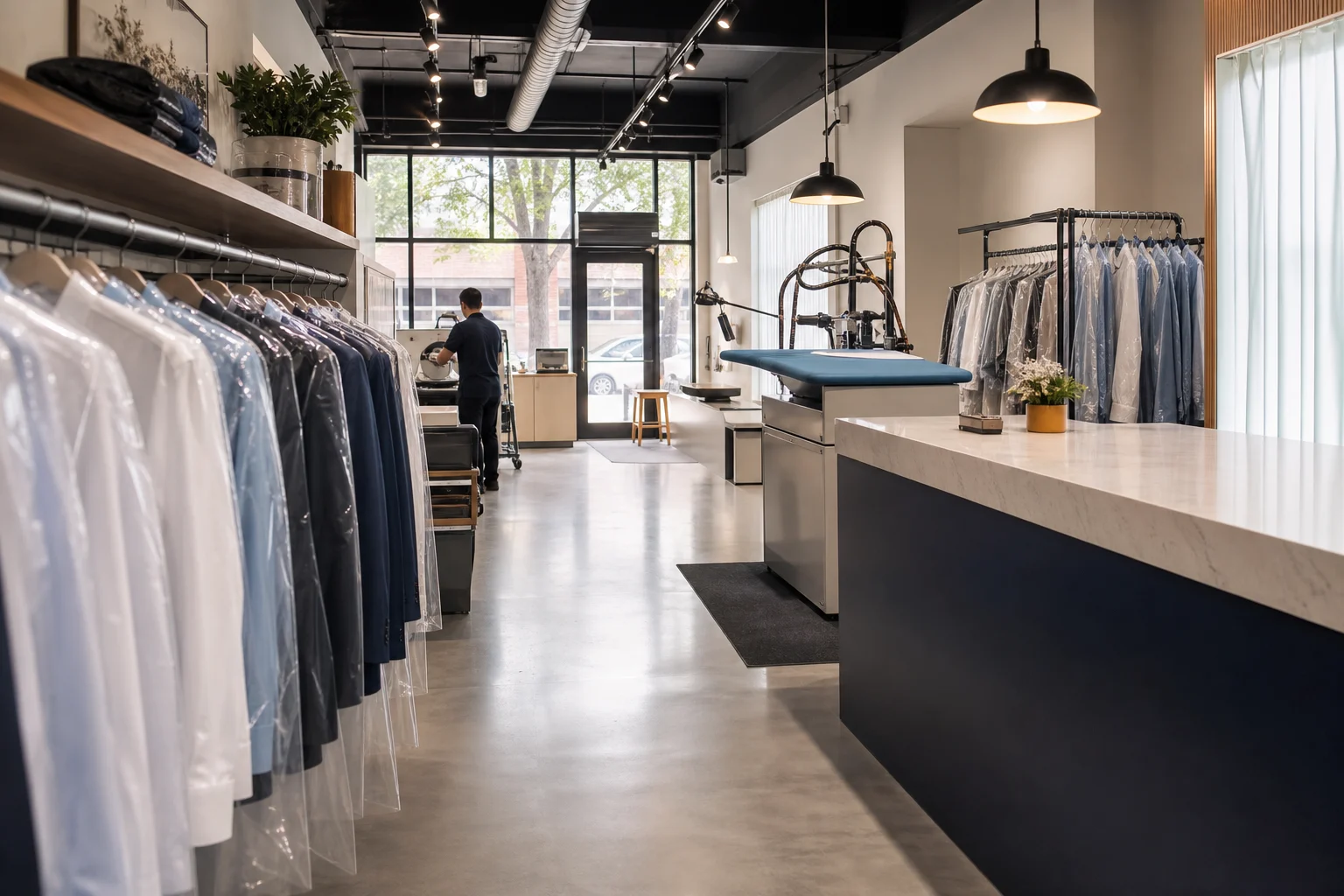
Main Startup Cost Categories
When planning your dry cleaner startup, several major cost categories will impact your initial investment. Understanding these categories helps you allocate resources effectively and avoid unexpected expenses. The primary cost areas include:
- Rent and lease assumptions
- Buildout and renovation
- Equipment purchases
- Staffing and payroll
- Opening inventory
- Permits and licensing
- Cash reserves for operations
Each category carries its own set of considerations and potential cost pressures. The total investment will depend on your chosen location, business model, and operational scale.
Rent and Lease Assumptions in Los Angeles
Location significantly impacts your dry cleaner's success and costs. Los Angeles offers several promising areas with different rent levels and market characteristics. Based on Locavisor neighborhood scoring, three areas stand out for dry cleaner startups:
Culver City (8.0/10) - Culver City is your strongest bet — maxed-out office density (Sony, Apple TV+, Amazon Studios) drives a massive weekday lunch crowd, and the Expo Line gives transit access for drop-off/pickup. Walkability is city-leading along downtown Culver. Only one direct competitor (So Fresh Cleaners, 4.8★, 39 reviews) within 500m, so you're not walking into a saturated market.
Downtown LA (DTLA) (8.0/10) - DTLA's Financial District has the highest daytime population density in LA and maxed-out transit access (7th Street/Metro Center, Union Station). Four existing dry cleaners within 800m — Executive Image Cleaners (4.4★, 177 reviews) is just 61m from the centroid. Competition is real but fragmented; no single operator dominates. Expect roughly $30-50/sqft NNN — more affordable than Culver City.
Sawtelle Japantown (7.9/10) - Sawtelle Japantown is a dense West LA corridor with strong office/residential mix and the highest retail-anchor density of any area. Three existing dry cleaners within 800m (Santo's Tailor, Globe Cleaners, Art Cleaners) but none above 4.2★ — quality gap is open. Rent runs roughly $45-70/sqft NNN. The UCLA student adjacency adds a steady stream of business-casual dry cleaning.
Market temperature across these areas is promising with medium competition density. Culver City offers the lowest rent level among the top three locations, according to Locavisor neighborhood scoring data from the 2026-05 snapshot.
Buildout, Equipment, Payroll, Opening Inventory, Permits, and Cash Reserve
Beyond rent, several substantial cost factors will impact your dry cleaner startup budget. Buildout costs depend on the condition of your commercial space and the scope of renovations required. Equipment represents one of your largest capital expenditures, including industrial washing machines, pressing equipment, steam tables, and specialized cleaning systems.
Payroll expenses begin before opening as you hire and train staff. Consider your staffing model and how many employees you'll need during different operational phases. Opening inventory includes cleaning supplies, hangers, bags, and packaging materials.
Permits and licensing requirements vary by location and business type. Factor in the time and potential costs associated with obtaining necessary approvals from city and state authorities.
Cash reserves are critical for covering expenses before your business becomes profitable. Maintain sufficient operating capital to handle unexpected costs and support your business during the initial growth phase.

Lean vs Moderate vs Generous Launch Budgets
Your budget approach will significantly impact your startup costs and operational flexibility. A lean budget minimizes initial investment but may limit growth potential and quality. A moderate budget balances cost control with necessary investments in equipment and location. A generous budget allows for premium equipment, prime locations, and comprehensive marketing.
Consider your long-term vision when determining your budget approach. A lean launch might work if you're testing the market with a smaller operation, while a moderate budget could support a more substantial presence from day one. A generous budget positions your business for immediate competition with established players.
What to Validate Before Spending Money
Before committing significant capital to your dry cleaner startup, validate several key assumptions:
Lease assumptions - Confirm the actual rent per square foot, lease terms, and additional costs like NNN (triple net lease expenses). Verify the landlord's improvement allowance and buildout timeline.
Buildout scope - Assess the condition of your commercial space and determine necessary renovations. Obtain multiple quotes for construction and design work.
Equipment list - Research equipment options and obtain detailed quotes. Consider new versus used equipment and the total cost of ownership.
Payroll model - Calculate staffing needs based on your service offerings and hours of operation. Factor in payroll taxes and benefits.
Opening inventory - Determine the optimal level of initial inventory based on your projected customer volume.
Cash reserve - Ensure you have sufficient operating capital to cover expenses during the initial growth phase.
Local professional review - Consult with local dry cleaning industry professionals, business advisors, and legal experts familiar with LA's commercial landscape.
FAQ
How much does it cost to open A Dry Cleaner in Los Angeles?
The exact total cost to open a dry cleaner in Los Angeles cannot be estimated from the provided data. Startup costs vary significantly based on location, size, equipment needs, and operational requirements. Key variables to validate include rent per square foot, buildout expenses, equipment costs, staffing needs, inventory requirements, permit fees, and cash reserves. Entrepreneurs should conduct thorough research and obtain detailed quotes for each cost category specific to their business plan and target location.
What are the best areas in Los Angeles for opening a dry cleaner?
Based on Locavisor neighborhood scoring, Culver City (8.0/10), Downtown LA (DTLA) (8.0/10), and Sawtelle Japantown (7.9/10) are the top areas for dry cleaner startups. Each location offers different advantages in terms of rent level, competition density, and market characteristics.
How does competition impact startup costs in Los Angeles?
Competition density affects startup costs through pricing pressure and the need for differentiation. Areas with higher competition may require more investment in marketing, equipment, and service quality to stand out. However, competition can also indicate strong market demand.
What should I consider when choosing a location for my dry cleaner?
Key location considerations include rent level, foot traffic, accessibility, competition, and market temperature. Areas with strong daytime populations, good transit access, and moderate competition often present the best opportunities for dry cleaner startups.
How important is cash reserve for a dry cleaner startup?
Cash reserves are critical for covering expenses before your business becomes profitable. Maintain sufficient operating capital to handle unexpected costs and support your business during the initial growth phase. The exact amount needed depends on your specific business model and location.
Last reviewed: 2026-05-08
Sources: U.S. Census Bureau ACS, LEHD LODES, Google Places, OpenStreetMap, Locavisor neighborhood scoring.
Methodology: Locavisor scores neighborhoods across demand, competition fit, rent fit, accessibility, and customer match. Scores reflect a snapshot of recent data and should be combined with on-the-ground research before lease decisions.
Disclaimer: This article provides informational content only and does not constitute legal, financial, accounting, or real-estate advice. Verify lease terms, licensing, local regulations, costs, and professional requirements with qualified local professionals before making business decisions.
Free preview shows top 3 neighborhoods. Full $9.99 report covers all 10 areas with personalized scoring + 90-day check-ins.
Informational only. Verify lease, licensing, local regulations, costs, and professional requirements with qualified local professionals.