Miami, FL · dry cleaner
Cost to open a dry cleaner in Miami
Opening a dry cleaner in Miami requires careful planning across multiple cost categories. The cost to open a dry cleaner in Miami varies significantly based on location, scale, and approach. Miami's diverse neighborhoods present different opportunities and challenges for dry cleaning entrepreneurs, with varying rent levels, competition density, and market temperatures.
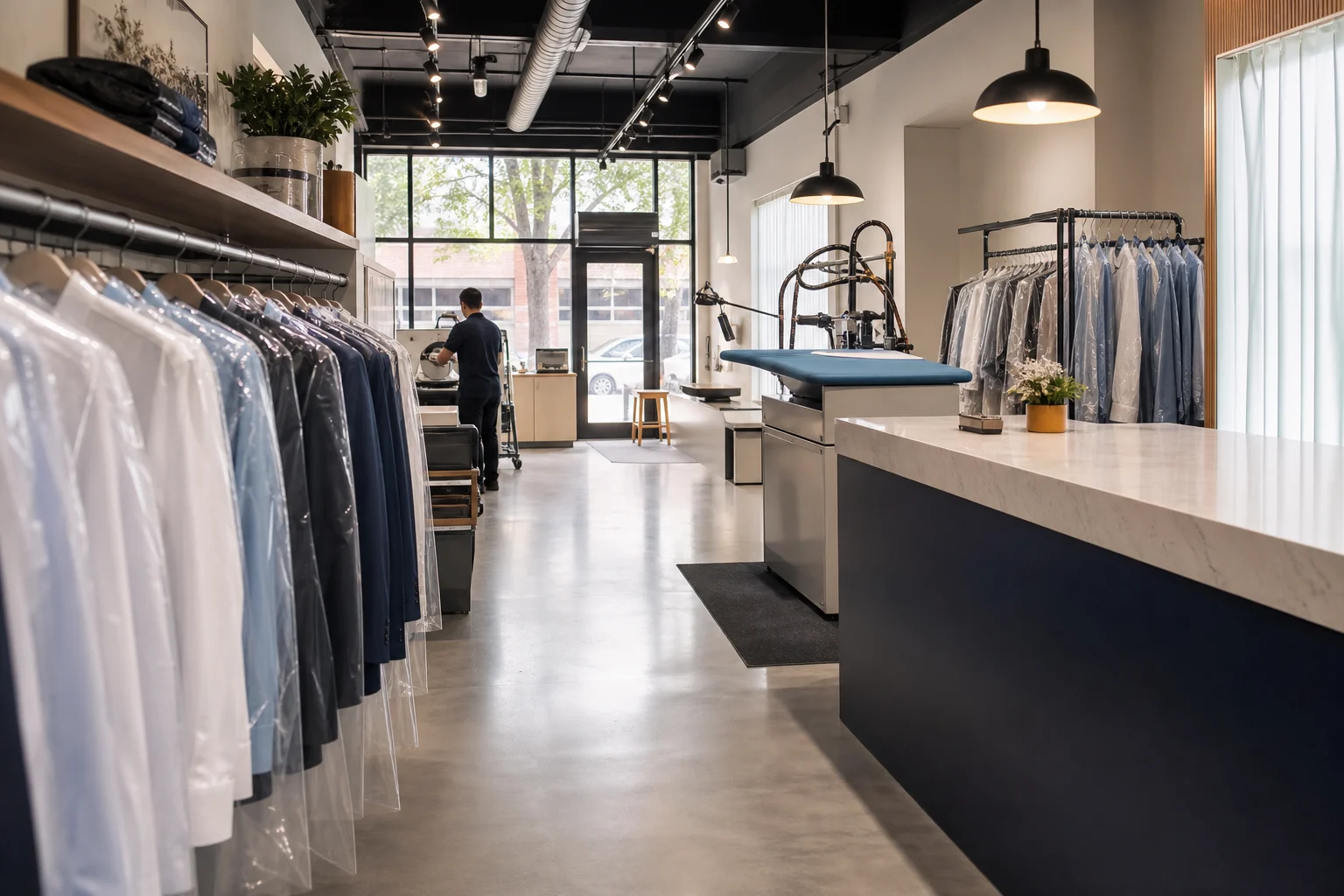
Main startup cost categories
Startup costs for a dry cleaner in Miami fall into several key categories. Each category carries its own variables and considerations that impact your total investment. Understanding these categories helps you plan more effectively and avoid common pitfalls.
Rent typically represents your largest fixed cost, especially in Miami's competitive commercial real estate market. Buildout costs depend on the condition of your space and your desired customer experience. Equipment costs vary based on whether you buy new or used, and the scale of your operation. Payroll expenses include not just wages but also benefits and training costs. Opening inventory represents your initial supply of cleaning chemicals, bags, and other consumables. Permits and licensing fees vary by location and business type. Finally, maintaining adequate cash reserves ensures you can weather unexpected challenges during your launch phase.
Rent and lease assumptions in Miami
Location selection significantly impacts your rent costs and overall startup expenses. Miami offers distinct neighborhoods with different commercial real estate characteristics. Locavisor neighborhood scoring identifies three top areas for dry cleaner startups:
MiMo / Upper Eastside (6.3/10) offers moderate rent (~$45-70/sqft NNN) with strong residential density and office-worker lunch traffic. Two nearby dry cleaners — Dry Cleaners Unlimited Inc (no rating data) and A Cleaner World Dry Cleaners (4.2★, 21 reviews) — are present but neither dominates. This area provides walkable, transit-served access with good parking.
Kendall / Pinecrest (5.9/10) scores high on demand (7.2) and customerMatch (7.1) with strong office-worker density, above-average affluence, and excellent transit via Metrorail. However, rent proxy is maxed out: expect roughly $90-140/sqft NNN, which is trophy-tier pricing. No direct dry-cleaner competitors were found in the data, which is unusual for this density.
Brickell (5.4/10) is Miami's financial core with dense daytime population, strong office presence, above-average affluence, and excellent transit. But rent is at the trophy tier ($90-140/sqft NNN) and there are already 4 dry cleaners within 800m, including Brickell Cleaners (2.7★, 107 reviews) and OXXO Care Cleaners (3.8★, 177 reviews).
Your rent assumptions should account for not just the base rate but also common area maintenance (CAM) charges, property taxes, and insurance. Triple-net leases (NNN) shift additional costs to tenants, while gross leases provide more predictable monthly expenses. Consider lease terms that align with your business plan, including options for expansion or renewal.
Buildout, equipment, payroll, opening inventory, permits, and cash reserve
Buildout costs depend on the condition of your commercial space and your vision for customer experience. Some spaces may require minimal improvements, while others need complete renovation to meet dry cleaning facility requirements. Consider workflow efficiency, customer waiting areas, and environmental compliance when planning your buildout.
Equipment represents a significant investment for any dry cleaning operation. Essential equipment includes washing machines, dryers, pressing machines, spotting stations, and garment management systems. The scale and quality of equipment impact both your initial investment and ongoing operational efficiency.
Payroll expenses extend beyond base wages to include benefits, training, and potential overtime. Miami's labor market requires competitive wages to attract skilled dry cleaning professionals. Consider staffing models that balance customer service needs with cost efficiency, especially during your initial launch phase.
Opening inventory includes cleaning chemicals, bags, hangers, and other consumables. Your initial inventory should align with your projected customer demand while avoiding overstocking perishable items. Consider supplier relationships that provide consistent quality and reliable delivery.
Permits and licensing requirements vary by location and business type. Miami-Dade County has specific regulations for dry cleaning operations, including environmental considerations for chemical handling. Factor in the time and cost associated with obtaining necessary permits before your planned opening date.
Cash reserves provide a crucial buffer for unexpected expenses during your launch phase. Many businesses underestimate the time required to reach operational stability. Maintain sufficient reserves to cover at least several months of operating expenses while you build your customer base.
Lean vs moderate vs generous launch budgets
Different approaches to budgeting offer distinct advantages and challenges. A lean startup model minimizes initial investment by focusing on essential equipment and modest facilities. This approach reduces financial risk but may limit your ability to compete on service quality or customer experience.
A moderate budget allows for more comprehensive equipment, better facilities, and stronger branding. This approach balances initial investment with competitive positioning, providing resources to deliver quality service while maintaining reasonable financial risk.
A generous launch budget enables premium facilities, state-of-the-art equipment, and extensive marketing. This approach positions your business for immediate competitive advantage but requires significant capital and increases financial risk. Consider your available capital, market positioning, and long-term vision when determining your appropriate budget level.
What to validate before spending money
Before committing significant capital to your dry cleaning startup, validate several key assumptions. Lease terms should be carefully reviewed, with attention to hidden costs and exit clauses. Buildout plans must align with both your vision and practical constraints, including local building codes and environmental regulations.
Equipment specifications should match your business model and customer expectations. Consider both initial purchase costs and long-term maintenance requirements when evaluating equipment options. Payroll models should reflect realistic staffing needs for Miami's labor market, including competitive wage expectations.
Opening inventory levels should align with projected customer demand while avoiding overstocking of perishable items. Permit requirements should be thoroughly researched, with attention to both time and cost implications. Cash reserve targets should provide adequate buffer for unexpected challenges during your launch phase.

Professional review of your business plan by local experts can identify potential blind spots. Consider consulting with experienced dry cleaning operators, commercial real estate professionals, and small business advisors familiar with Miami's market conditions. Their insights can help refine your approach and avoid costly mistakes.
FAQ
How much does it cost to open A Dry Cleaner in Miami?
The exact total startup cost cannot be estimated from the provided data. Multiple variables significantly impact the required investment, including location selection, facility size, equipment quality, staffing levels, and inventory requirements. Before committing to a specific budget, validate your lease assumptions, buildout scope, equipment needs, payroll model, opening inventory requirements, permit costs, and adequate cash reserves. Each of these factors varies based on your specific business model and market positioning in Miami's diverse neighborhoods.
Last reviewed: 2026-05-08
Sources: U.S. Census Bureau ACS, LEHD LODES, Google Places, OpenStreetMap, Locavisor neighborhood scoring.
Methodology: Locavisor scores neighborhoods across demand, competition fit, rent fit, accessibility, and customer match. Scores reflect a snapshot of recent data and should be combined with on-the-ground research before lease decisions.
Disclaimer: This article provides informational content only and does not constitute legal, financial, accounting, or real-estate advice. Verify lease terms, licensing, local regulations, costs, and professional requirements with qualified local professionals before making business decisions.
Free preview shows top 3 neighborhoods. Full $9.99 report covers all 10 areas with personalized scoring + 90-day check-ins.
Informational only. Verify lease, licensing, local regulations, costs, and professional requirements with qualified local professionals.