Oakland, CA · dry cleaner
Cost to open a dry cleaner in Oakland
Opening a dry cleaner in Oakland means navigating a market where location, competition, and operational costs intersect. The city's dense urban core and growing neighborhoods create both opportunity and pressure-rents in prime areas sit in a narrow band, and competition clusters in high-traffic zones. For founders, the challenge isn't just estimating costs but validating assumptions against Oakland's specific dynamics. This guide breaks down the key cost drivers, using local data to help you plan without guessing.
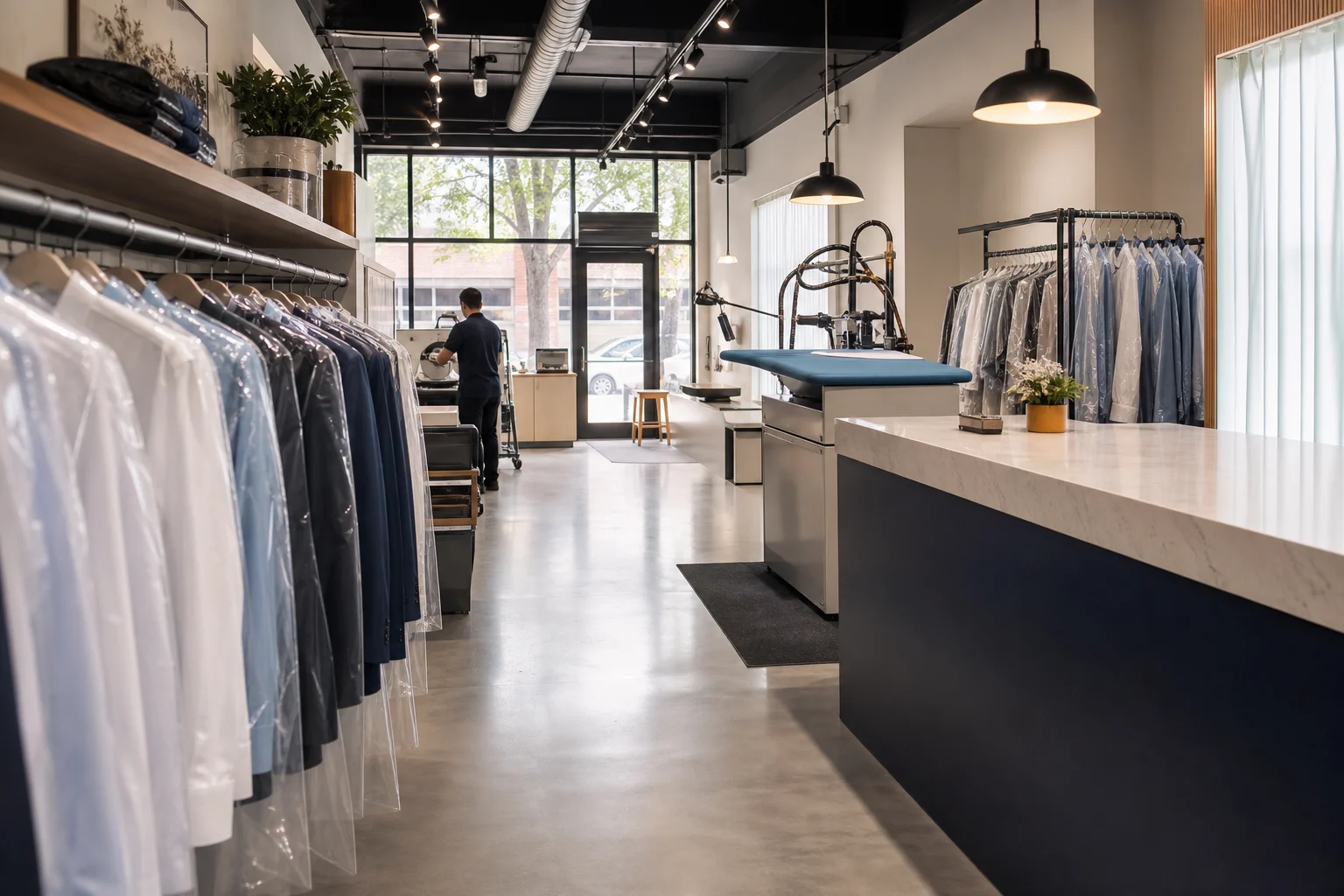
What does it cost to open a dry cleaner in Oakland?
Major cost categories
Lease deposit and first/last month
Lease costs in Oakland's top dry cleaning neighborhoods are tightly clustered. Uptown Oakland, with a Locavisor score of 7.5/10, has a rent band of $35-$55/sqft/yr NNN, while Old Oakland (7.3/10) and Downtown (6.9/10) fall in the same range. West Oakland (6.9/10) and Jack London Square (6.8/10) mirror this, creating a narrow window for rent negotiations. Founders should expect to pay first and last month's rent plus a security deposit-typically one to three months' rent-before signing. The deposit amount depends on the landlord and property condition, but Oakland's competitive market often means deposits align with one month's rent.
Tenant improvements and buildout
Dry cleaners require specialized buildouts: plumbing for solvent systems, ventilation for fumes, and space for pressing equipment. In Oakland's high-rent areas, landlords may offer tenant improvement (TI) allowances, but these are often limited. Founders must assess whether existing spaces can accommodate dry cleaning infrastructure or if costly renovations are needed. For example, Uptown Oakland's anchor tenants like Uptown Station and Pacific Renaissance Plaza mean spaces near transit hubs may have stricter buildout requirements, increasing costs.
Equipment and furniture
Dry cleaning equipment-washers, dryers, presses, and solvent recovery systems-represents a major upfront cost. Oakland's market has no dominant local equipment vendors listed in the grounding data, so founders should research national suppliers and factor in delivery and installation. Furniture, like counters and seating, is secondary but necessary for customer-facing spaces. The key here is matching equipment to the space: a small Uptown location may need compact machines, while a larger Downtown spot could support more capacity.
Licenses, permits, and insurance
Oakland requires business licenses, health permits (for solvent handling), and possibly environmental permits for dry cleaning chemicals. The Alameda County Environmental Health Department oversees solvent use, and founders must verify compliance to avoid fines. Insurance-general liability, property, and workers' comp-is non-negotiable. Costs vary by coverage, but Oakland's urban environment may increase liability premiums due to higher foot traffic.
Initial inventory or supplies
Supplies like hangers, bags, and cleaning chemicals are recurring costs, but initial inventory depends on startup scale. A small Uptown location might start with a month's worth of supplies, while a larger Downtown spot could need more. The grounding data shows no local supply vendors, so founders should source from regional distributors, factoring in delivery times to avoid stockouts.
Pre-opening payroll and training
Hiring staff-pressers, front-counter workers, and drivers-requires payroll setup. Oakland's minimum wage and labor laws add to costs, and training for dry cleaning processes (e.g., stain removal) takes time. Founders should budget for at least two weeks of payroll before opening to cover training and initial operations.
Working capital reserve
A working capital reserve of a variable local timeline' operating costs is critical. Oakland's rent stability means fixed costs are predictable, but variable costs (supplies, payroll) can fluctuate. The reserve ensures you can cover unexpected expenses, like equipment repairs or slower-than-expected revenue.
How Oakland compares to other CA markets
What competition looks like in the top areas
Oakland's top dry cleaning neighborhoods have established players. Uptown Oakland, the highest-scoring area (7.5/10), hosts Le Magic Cleaners (4.7 stars, 36 reviews), Ideal Cleaners (4.5 stars, 46 reviews), and H&S Dry Cleaners & Sewing Co (3.9 stars, 7 reviews). These businesses benefit from proximity to Uptown Station, Pacific Renaissance Plaza, and transit, driving foot traffic. Old Oakland, with a score of 7.3/10, has fewer listed dry cleaners but anchors like Pacific Renaissance Plaza and 12th St. Oakland City Center Station. Downtown (6.9/10) and West Oakland (6.9/10) have similar dynamics, with competition clustered near malls and transit. Jack London Square (6.8/10) offers a waterfront location but fewer dry cleaners, potentially creating an opportunity for founders.
Customer reviews highlight mixed perceptions: some praise quick service (e.g., "workers described as quick and efficient"), while others note accessibility issues (e.g., "occasional homeless visitors with odor issues; early closing time (5 PM) limits accessibility"). Pricing is a recurring theme-some see value in premium service, others find it high. Founders should use this to position their business: maybe extended hours in Uptown or eco-friendly options in Jack London Square.
Common cost overrun patterns
- Buildout surprises: Dry cleaning infrastructure (plumbing, ventilation) often uncovers hidden costs. Oakland's older buildings may require unexpected renovations, blowing past TI allowances.
- Equipment delays: National suppliers may have long lead times, delaying opening and increasing holding costs.
- Inventory miscalculations: Overstocking supplies ties up cash; understocking risks stockouts. Oakland's supply chain lacks local vendors, so founders must plan for delivery times.
- Permit delays: Environmental or health permits can take weeks, pushing back timelines and increasing temporary costs (e.g., rent for unused space).
How to validate your number before committing capital
- Buildout condition: Inspect spaces for pre-existing plumbing or ventilation. A space with existing solvent systems reduces costs.
- Equipment quotes: Get multiple quotes from national suppliers, factoring in Oakland's delivery fees.
- Permit checks: Contact the Alameda County Environmental Health Department early to confirm requirements.
- Competitor analysis: Visit Uptown, Old Oakland, and Downtown dry cleaners to assess pricing and service gaps. Use Locavisor's neighborhood scores to prioritize areas with unmet demand.
| Neighborhood | Locavisor score | Rent band | Local operator signal | Founder validation check |
|---|---|---|---|---|
| Uptown Oakland | 7.5/10 | $35-$55/sqft/yr NNN | Le Magic Cleaners, Ideal Cleaners | Validate lease terms, buildout condition, equipment scope, and reserves. |
| Old Oakland | 7.3/10 | $35-$55/sqft/yr NNN | H&S Dry Cleaners & Sewing Co, City Clean Cleaners | Validate lease terms, buildout condition, equipment scope, and reserves. |
| Downtown Oakland | 6.9/10 | $35-$55/sqft/yr NNN | Ideal Cleaners, Le Magic Cleaners | Validate lease terms, buildout condition, equipment scope, and reserves. |
| West Oakland | 6.9/10 | $35-$55/sqft/yr NNN | Standford Cleaners | Validate lease terms, buildout condition, equipment scope, and reserves. |
| Jack London Square | 6.8/10 | $35-$55/sqft/yr NNN | No direct operator listed | Validate lease terms, buildout condition, equipment scope, and reserves. |

FAQ
Q: Do Oakland dry cleaners need special environmental permits?
A: Yes. The Alameda County Environmental Health Department regulates solvent use. Founders must obtain permits for handling dry cleaning chemicals, which may require inspections and compliance with local air quality rules.
Q: How does competition density vary by neighborhood?
A: Uptown Oakland has the most dry cleaners (e.g., Le Magic Cleaners, Ideal Cleaners), while Jack London Square has fewer. Downtown and West Oakland fall in the middle, with competition clustered near transit and malls.
Q: What's the typical rent band for a dry cleaner in Oakland?
Last reviewed: 2026-05-30
Sources: U.S. Census Bureau ACS, LEHD LODES, Google Places, OpenStreetMap, Locavisor neighborhood scoring.
Methodology: Locavisor scores neighborhoods across demand, competition fit, rent fit, accessibility, and customer match. Scores reflect a snapshot of recent data and should be combined with on-the-ground research before lease decisions.
Disclaimer: This article provides informational content only and does not constitute legal, financial, accounting, or real-estate advice. Verify lease terms, licensing, local regulations, costs, and professional requirements with qualified local professionals before making business decisions.
Free preview shows top 3 neighborhoods. Full $9.99 report covers all 10 areas with personalized scoring + 90-day check-ins.
Informational only. Verify lease, licensing, local regulations, costs, and professional requirements with qualified local professionals.