San Antonio, TX · dry cleaner
Cost to open a dry cleaner in San Antonio
Opening a dry cleaner in San Antonio requires careful financial planning. The city's commercial real estate market, local competition, and operational requirements create specific cost pressures that founders must understand before committing capital. San Antonio's diverse neighborhoods offer different opportunities, but each comes with its own lease structure and customer base characteristics.
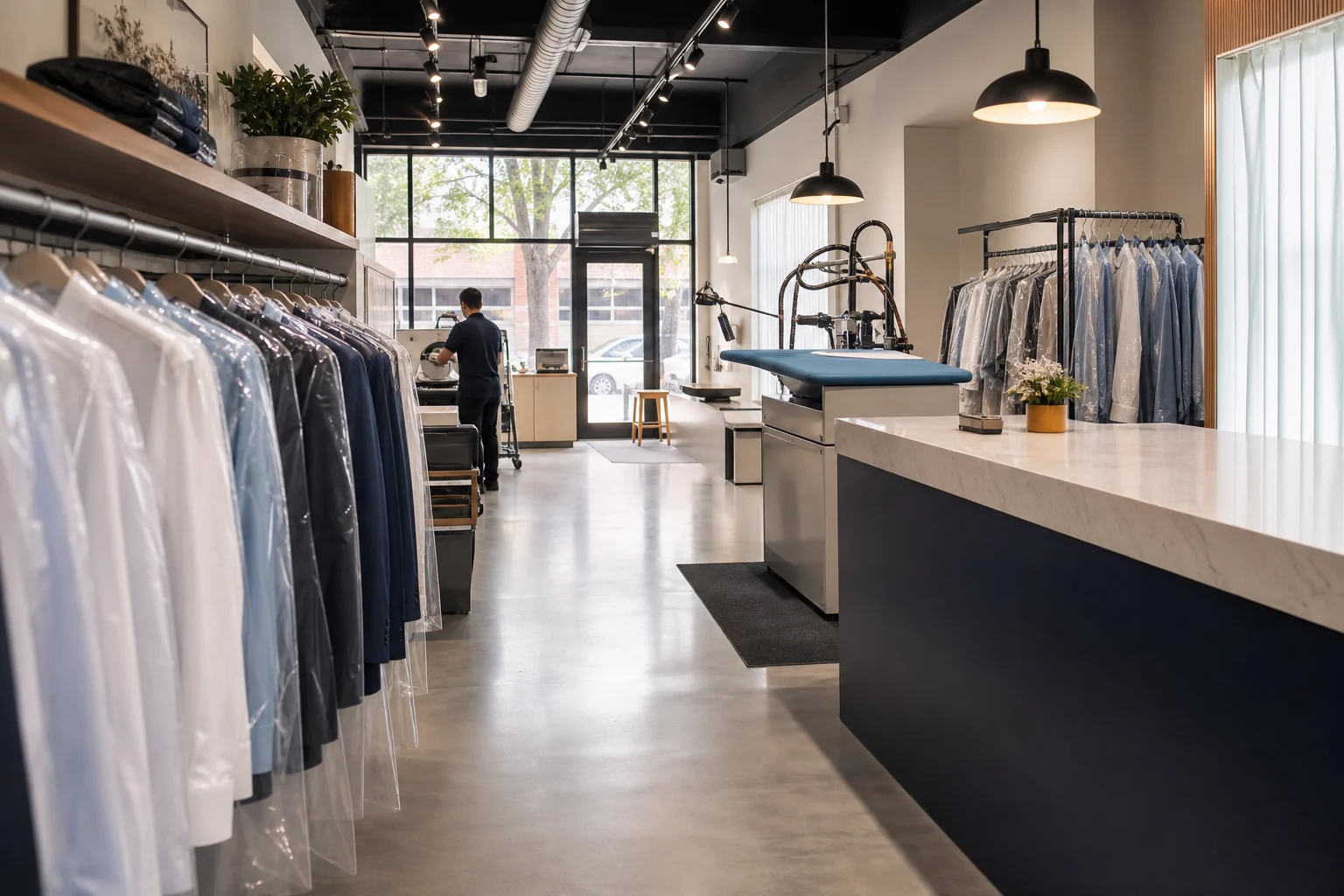
What does it cost to open a dry cleaner in San Antonio?
The cost to open a dry cleaner in San Antonio varies significantly based on location, size, and operational scope. Unlike many service businesses, dry cleaners require substantial upfront investment in specialized equipment, lease improvements, and inventory. The total startup costs can range from moderate to substantial, depending on whether you're buying an existing operation or starting from scratch. San Antonio's commercial real estate market, particularly in desirable neighborhoods, presents both opportunities and challenges for new dry cleaner operators.
Major cost categories
Lease deposit and first/last month
Lease deposits and first/last month payments represent one of the largest upfront costs for any retail business, including dry cleaners. In San Antonio, commercial lease terms typically require a variable local timeline of rent as a security deposit plus the first and last month's rent before occupancy. The exact amount depends heavily on your chosen neighborhood and square footage.
Tenant improvements and buildout
Tenant improvements (TI) and buildout costs can vary dramatically based on the condition of the space you lease. A "white box" space (unfinished interior with only basic infrastructure) will require significant investment in plumbing, electrical, ventilation, and dry cleaning-specific systems. Existing spaces with some infrastructure may reduce these costs but still require modifications for dry cleaning operations.
Dry cleaning facilities have specific requirements that differ from standard retail spaces. You'll need proper ventilation systems, specialized plumbing for solvent handling, and often temperature-controlled areas for different cleaning processes. These requirements can increase buildout costs significantly compared to other service businesses.
The condition of the space you find will greatly impact your TI budget. A space with existing dry cleaning infrastructure might only require cosmetic updates, while a completely unfinished space could double your buildout expenses. Always factor in contingency funds (typically 15-20% of your estimated TI costs) for unexpected issues that arise during construction.
Equipment and furniture
Dry cleaning equipment represents a major capital expenditure that cannot be overlooked. The core equipment includes dry cleaning machines, spotting stations, pressing equipment, and finishing stations. Additional equipment may include laundry machines, folding tables, and specialized storage systems.
Unlike many service businesses, dry cleaning equipment has a limited lifespan and requires regular maintenance. You'll need to budget not just for initial purchase but also for ongoing maintenance contracts and eventual replacement. Quality equipment can significantly impact your service quality and customer satisfaction, making this a critical investment area.
Furniture and fixtures for customer areas, employee spaces, and storage also contribute to startup costs. A welcoming reception area, comfortable waiting space, and efficient employee workstations all factor into the customer experience and operational efficiency.
Licenses, permits, and insurance
Obtaining the necessary licenses and permits is a non-negotiable startup cost. In Texas, dry cleaning businesses require specific environmental permits due to the use of solvents and chemicals. You'll need to work with the Texas Commission on Environmental Quality (TCEQ) to ensure compliance with all regulations.
Local permits from the City of San Antonio may also be required, including business licenses, signage permits, and building permits for any construction work. The exact requirements depend on your specific location and the scope of your buildout.
Insurance represents another essential cost category. Dry cleaning businesses need comprehensive coverage including general liability, property insurance, and environmental liability. The environmental liability coverage is particularly important given the chemicals used in the cleaning process.
Initial inventory or supplies
Starting inventory for a dry cleaner includes cleaning solvents, detergents, hangers, bags, and other supplies. The initial investment can be substantial, especially if you're stocking up for high-volume operations from day one. Many operators choose to start with a moderate inventory and scale up as they establish their customer base.
Supplies needed will vary based on your service offerings. Full-service dry cleaners with laundry, alterations, and specialized cleaning will require a broader inventory than basic dry cleaning operations. The quality of your supplies can impact both your service results and customer perception.
Pre-opening payroll and training
Hiring and training staff before opening represents another startup cost. Dry cleaning requires specialized knowledge, so you'll need to invest in training programs to ensure your team can deliver consistent, high-quality service. This may include sending staff to formal training programs or having experienced staff train new hires.
Payroll costs during the pre-opening phase include not just salaries but also benefits and payroll taxes. Even before you open your doors, you'll need staff for construction supervision, equipment installation, and initial setup.
Working capital reserve
A working capital reserve is essential for covering operating expenses during the critical early months when revenue may be inconsistent. Most financial advisors recommend having a variable local timeline of operating expenses in reserve before opening. This buffer allows you to weather slow periods and invest in marketing and customer acquisition.
Working capital needs will vary based on your location, rent structure, payroll expenses, and other fixed costs. Areas with higher rent bands, like those in San Antonio's top neighborhoods, will require larger working capital reserves.
How San Antonio compares to other TX markets
San Antonio's commercial real estate market offers competitive advantages compared to other Texas cities. The $22-$48/sqft/yr NNN rent bands in top neighborhoods are generally more affordable than similar areas in Austin or Dallas. This lower cost of entry can provide new dry cleaner operators with more flexibility in their startup budget.
The city's diverse neighborhoods mean you can target different customer segments with varying price points. Areas like Quarry Market cater to higher-end customers, while West Side/Westside serves more budget-conscious demographics. This market diversity allows for strategic positioning based on your target customer profile.
San Antonio's business environment is generally supportive of small businesses, with various local resources and potentially available incentives for new ventures. The city's growth trajectory suggests increasing demand for dry cleaning services in coming years.
What competition looks like in the top areas
San Antonio's top neighborhoods for dry cleaning operations already have established players, creating both challenges and opportunities for new entrants. Understanding the competitive landscape is crucial for pricing strategy and market positioning.
In the West Side/Westside area, Comet Cleaners and Laundry San Antonio operates with a strong 4.8-star rating from 1,539 reviews, indicating a well-established presence. This level of customer satisfaction suggests that quality service and competitive pricing are already expected in the market.
Quarry Market, with its high foot traffic from Alamo Quarry Market mall and surrounding office complexes, presents opportunities for location-dependent dry cleaning services. The area's prominent landmarks and transit access make it attractive for customers seeking convenience.
Stone Oak's mix of residential and commercial spaces, including Stone Oak Crossing mall and medical office buildings, creates demand for dry cleaning services catering to both professionals and families. The presence of schools in the area may also present opportunities for partnerships or specialized services.
Common cost overrun patterns
Dry cleaning startups frequently encounter cost overruns in several key areas. Understanding these patterns can help you budget more effectively and avoid financial surprises.
Lease negotiations often reveal unexpected costs that weren't apparent during initial walkthroughs. Issues like inadequate electrical capacity, insufficient ventilation, or needed plumbing upgrades can add thousands to your buildout budget. Always conduct thorough due diligence and get multiple contractor bids.
Equipment purchases frequently exceed initial budgets when founders realize the need for additional or higher-quality machinery. The temptation to cut costs on equipment can backfire through higher maintenance costs, lower service quality, or premature replacement needs.
Permit and regulatory compliance costs are another common surprise. What seems like a straightforward process can become complicated by specific environmental regulations or building code requirements unique to dry cleaning operations.
How to validate your number before committing capital
Validating your startup cost assumptions is critical before committing significant capital. Several strategies can help ensure your budget reflects real-world conditions in San Antonio.
Engage with local commercial real estate brokers who specialize in retail spaces. They can provide current market data on lease rates, tenant improvement allowances, and negotiation strategies specific to San Antonio's neighborhoods.
Talk to existing dry cleaner operators in the area, like Comet Cleaners and Laundry San Antonio. While they may not share specific financials, they can offer insights into local market dynamics, customer expectations, and operational challenges.
Obtain multiple bids from contractors experienced in dry cleaning buildouts. The difference between high and low bids can be substantial, and understanding why bids vary helps ensure you're comparing apples to apples.
Research local regulations thoroughly through the City of San Antonio and Texas state agencies. Environmental permits and building codes have specific requirements that can impact both costs and timelines.
| Cost Category | Key Validation Steps | San Antonio Specific Considerations |
|---|---|---|
| Lease Costs | Multiple broker quotes, review NNN details | $22-$48/sqft/yr NNN across top neighborhoods |
| Buildout | 3+ contractor bids, inspect existing infrastructure | Dry cleaning-specific ventilation and plumbing needs |
| Equipment | Manufacturer quotes, talk to local operators | Quality impacts service and customer satisfaction |
| Permits | Direct agency consultation, experienced contractor | TCEQ environmental requirements |
| Inventory | Supplier quotes, industry benchmarks | Solvent and supply costs vary by volume |
| Payroll | Local wage data, training program costs | San Antonio market rate for skilled labor |
| Working Capital | Industry standards, local business advisor input | a variable local timeline operating expenses recommended |

FAQ
What are the most affordable neighborhoods for a dry cleaner in San Antonio?
All of San Antonio's top dry cleaning neighborhoods fall within the same $22-$48/sqft/yr NNN rent band, making location selection more about customer demographics and competition than significant rent differences. West Side/Westside and Alamo Heights represent slightly more budget-friendly options within this range, while Quarry Market may command higher foot traffic and customer spending.
How important is equipment quality for a dry cleaner in San Antonio?
Equipment quality directly impacts service quality, customer satisfaction, and long-term costs. Higher-quality machines typically require less maintenance, produce better results, and last longer. Given San Antonio's competitive market, quality equipment can be a key differentiator, especially when competing with established operators like Comet Cleaners and Laundry San Antonio.
What environmental regulations should dry cleaner founders in San Antonio know about?
Dry cleaning businesses in Texas must comply with TCEQ regulations regarding solvent use and waste disposal. The City of San Antonio may have additional requirements for ventilation, plumbing, and waste handling. Founders should consult both state and local environmental agencies early in the planning process to understand permitting requirements and associated costs.
Last reviewed: 2026-05-30
Sources: U.S. Census Bureau ACS, LEHD LODES, Google Places, OpenStreetMap, Locavisor neighborhood scoring.
Methodology: Locavisor scores neighborhoods across demand, competition fit, rent fit, accessibility, and customer match. Scores reflect a snapshot of recent data and should be combined with on-the-ground research before lease decisions.
Disclaimer: This article provides informational content only and does not constitute legal, financial, accounting, or real-estate advice. Verify lease terms, licensing, local regulations, costs, and professional requirements with qualified local professionals before making business decisions.
Free preview shows top 3 neighborhoods. Full $9.99 report covers all 10 areas with personalized scoring + 90-day check-ins.
Informational only. Verify lease, licensing, local regulations, costs, and professional requirements with qualified local professionals.