San Francisco, CA · dry cleaner
Cost to open a dry cleaner in San Francisco
Starting a dry cleaner in San Francisco requires careful planning of startup costs. The cost to open a dry cleaner in San Francisco varies significantly based on location, buildout requirements, equipment needs, and operational factors. This guide breaks down the practical cost stack for entrepreneurs considering this business in the city's competitive market.
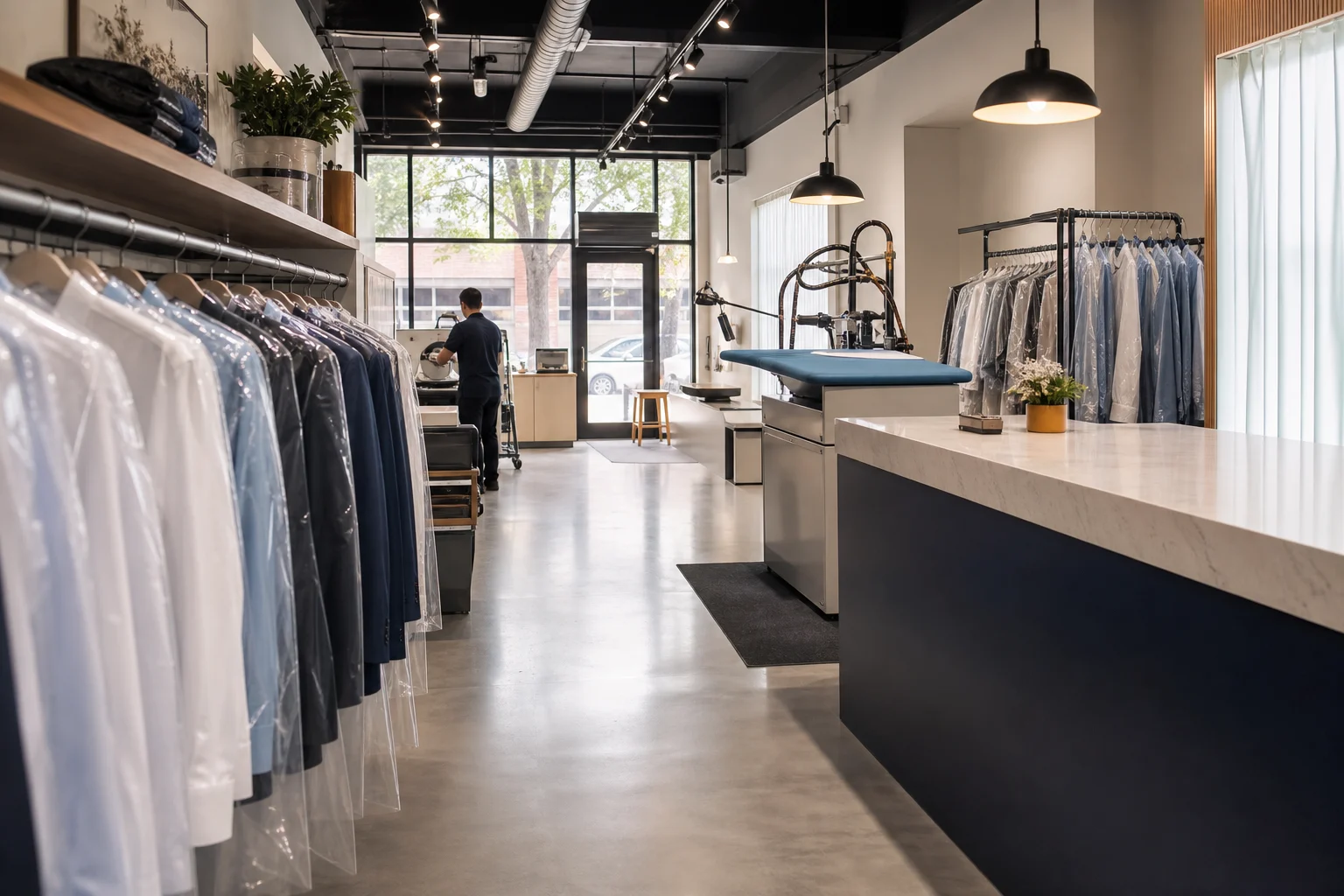
Main startup cost categories
Opening a dry cleaner in San Francisco involves several key cost categories. Rent represents your largest fixed expense, with significant variation across neighborhoods. Buildout costs depend on the condition of your space and the specialized requirements of dry cleaning operations. Equipment includes pressing machines, cleaning units, and finishing systems. Payroll covers staff for cleaning, pressing, customer service, and delivery. Opening inventory consists of cleaning supplies, hangers, bags, and packaging materials. Permits and licenses ensure compliance with city regulations. Finally, cash reserves provide operating capital before reaching profitability.
Rent and lease assumptions in San Francisco
San Francisco's rent levels are high across all commercial districts. The Tenderloin ranks #1 for a dry cleaner in SF with a score of 7.2/10. Office-worker density is near ceiling, daytime population is maxed out, and transit/walkability scores are city-leading. Expect roughly $45-70/sqft NNN. The catch: car access is near-zero, and the neighborhood's social-service context means some customers may avoid the area.
Nob Hill offers strong office-worker density with a score of 7.1/10. Transit and walkability are maxed out, with a dense residential base of upscale professionals—your core demographic. Rent runs roughly $45-70/sqft NNN. The accessibility score (4.0) is the weak link: the cable-car hills and limited parking make car-dependent drop-off tough.
Mission Bay / Dogpatch scores highest on demand (9.0) and customerMatch (8.7) with a score of 7.0/10. UCSF Mission Bay, biotech offices, and Chase Center create a dense daytime population of high-income young professionals. But rentFit is zero: this is trophy-tier territory at roughly $90-140/sqft NNN, which is punishing for dry-cleaner margins.
Buildout, equipment, payroll, opening inventory, permits, and cash reserve
Buildout costs depend on the existing condition of your commercial space. Dry cleaners require specialized plumbing for solvent systems, ventilation for chemical fumes, and electrical systems for heavy equipment. The layout must separate soiled garments from finished items and include dedicated areas for cleaning, pressing, finishing, and customer interaction.
Equipment represents a significant capital investment. Professional dry cleaning machines, pressing units, spotting stations, and finishing systems require substantial upfront expenditure. Consider energy-efficient models to reduce operating costs over time. The market temperature is promising, but competition density is medium, so equipment quality can differentiate your business.
Payroll needs vary based on your service model. Staff requirements include dry cleaning technicians, pressers, customer service representatives, and delivery personnel. San Francisco's labor market commands premium wages, particularly for skilled positions. Consider whether to hire full-time employees or use part-time staff during peak periods.
Opening inventory includes cleaning solvents, detergents, spotting agents, hangers, garment bags, and packaging materials. The initial inventory investment depends on your projected customer volume and service offerings. Consider starting with core items and expanding based on demand patterns.
Permits and licenses ensure compliance with San Francisco's regulations. Dry cleaning operations require specific environmental permits due to chemical handling. Business licenses, health department approvals, and fire safety certifications are mandatory. The process may involve inspections and documentation requirements that extend your timeline.
Cash reserves provide operating capital before reaching profitability. San Francisco's high cost structure means you'll need sufficient funds to cover expenses during the ramp-up period. Consider how long it might take to build a steady customer base and adjust your cash reserves accordingly.

Lean vs moderate vs generous launch budgets
A lean launch budget minimizes fixed costs while establishing core operations. This approach might involve a smaller space with basic equipment and a lean staffing model. The trade-off is limited capacity and potentially slower growth. In San Francisco's high-rent environment, a lean approach might focus on the Tenderloin's more affordable options while building delivery capabilities to overcome car access limitations.
A moderate launch budget balances initial investment with operational capacity. This approach allows for better equipment, more comprehensive services, and sufficient staffing to handle moderate customer volume. The Nob Hill's strong office-worker density and upscale residential base might justify a moderate investment, despite accessibility challenges.
A generous launch budget maximizes your market entry with premium facilities, top-tier equipment, and comprehensive services. This approach positions your business for immediate impact but requires substantial capital. Mission Bay / Dogpatch's high demand and customer match scores might justify a premium investment, though the punishing rent levels make this a high-risk strategy.
What to validate before spending money
Before committing funds, validate your lease assumptions. Confirm the quoted rent per square foot and understand what's included in NNN (triple net) charges. Verify the lease terms, including length, renewal options, and rent escalation clauses. Consider the neighborhood's daytime population patterns and how they align with your operating hours.
Validate your buildout scope with contractors experienced in commercial dry cleaning facilities. Ensure the space can accommodate specialized requirements without excessive modification. Consider how buildout costs might vary between neighborhoods and factor this into your location decision.
Validate your equipment list with suppliers who understand San Francisco's market. Consider energy efficiency and maintenance requirements. Research how different equipment options might impact your service quality and operating costs.
Validate your payroll model by researching San Francisco's prevailing wages for dry cleaning positions. Consider whether to hire full-time or part-time staff and how staffing needs might change seasonally. Factor in payroll taxes and benefits requirements.
Validate your opening inventory needs by studying similar businesses in San Francisco. Consider initial inventory costs and how they might vary based on your service offerings. Factor in storage requirements and inventory turnover rates.
Validate your permit requirements with San Francisco's regulatory agencies. Understand the timeline and costs associated with obtaining necessary approvals. Factor in potential delays and how they might impact your launch date.
Validate your cash reserve needs by modeling different scenarios. Consider how long it might take to reach profitability and factor in unexpected expenses. San Francisco's high cost structure means you'll need sufficient capital to weather the initial ramp-up period.
FAQ
How much does it cost to open A Dry Cleaner in San Francisco?
The exact total cannot be estimated from the provided data. The cost to open a dry cleaner in San Francisco varies significantly based on location, buildout requirements, equipment needs, and operational factors. Rent ranges from $45-70/sqft NNN in areas like Tenderloin and Nob Hill to $90-140/sqft NNN in premium locations like Mission Bay/Dogpatch. Before spending money, validate your lease assumptions, buildout scope, equipment list, payroll model, opening inventory needs, permit requirements, and cash reserve needs. San Francisco's high cost structure requires careful planning and sufficient capital to navigate the competitive market.
Last reviewed: 2026-05-08
Sources: U.S. Census Bureau ACS, LEHD LODES, Google Places, OpenStreetMap, Locavisor neighborhood scoring.
Methodology: Locavisor scores neighborhoods across demand, competition fit, rent fit, accessibility, and customer match. Scores reflect a snapshot of recent data and should be combined with on-the-ground research before lease decisions.
Disclaimer: This article provides informational content only and does not constitute legal, financial, accounting, or real-estate advice. Verify lease terms, licensing, local regulations, costs, and professional requirements with qualified local professionals before making business decisions.
Free preview shows top 3 neighborhoods. Full $9.99 report covers all 10 areas with personalized scoring + 90-day check-ins.
Informational only. Verify lease, licensing, local regulations, costs, and professional requirements with qualified local professionals.