Seattle, WA · dry cleaner
Cost to open a dry cleaner in Seattle
Opening a dry cleaner in Seattle requires careful planning and understanding of the local market dynamics. The cost to open a dry cleaner in Seattle varies based on location, size, equipment needs, and operational requirements. This guide breaks down the practical startup-cost stack for entrepreneurs looking to enter Seattle's dry cleaning market.
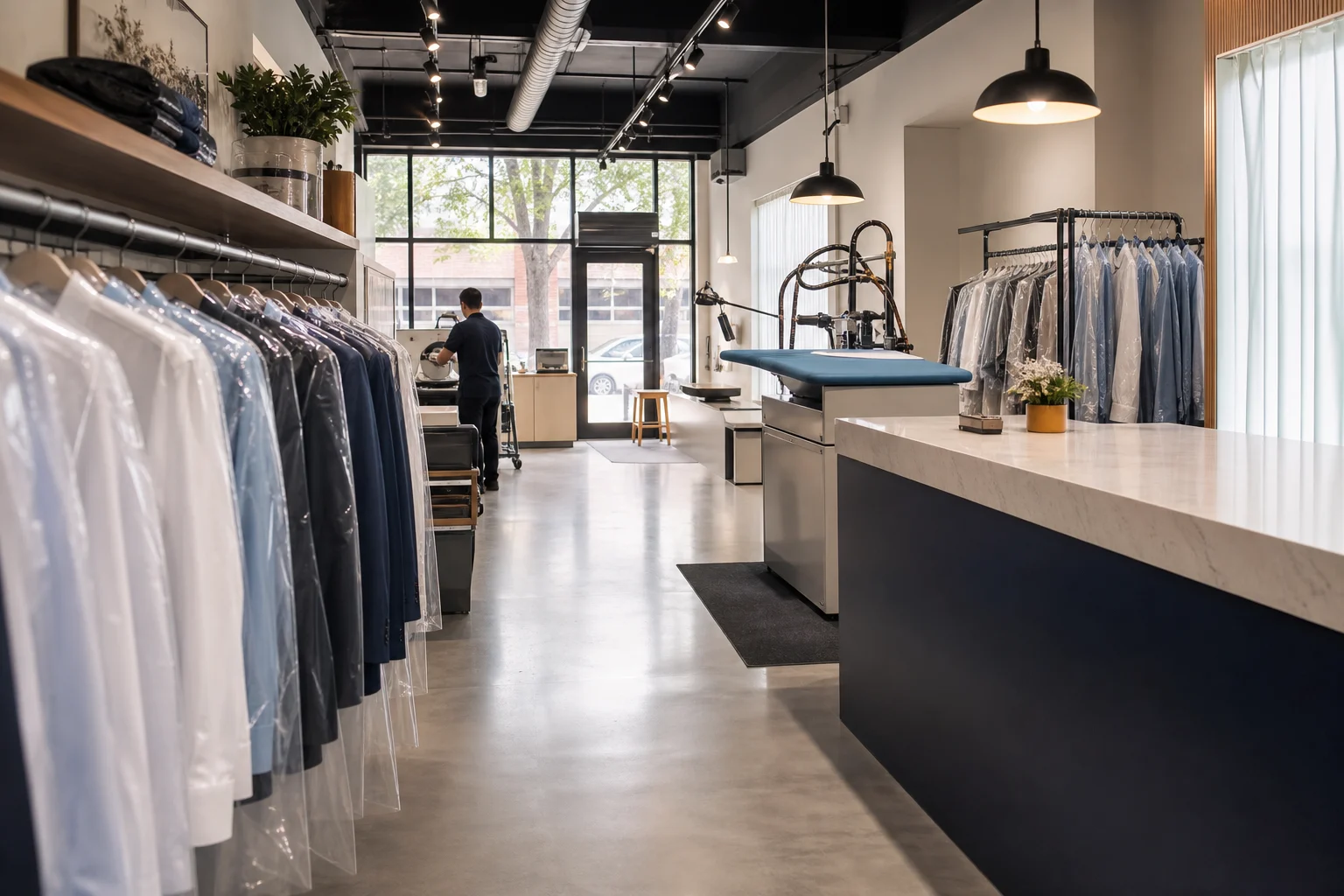
Main startup cost categories
When planning to open a dry cleaner in Seattle, several key cost categories require consideration. These include rent and lease assumptions, buildout and equipment costs, payroll expenses, opening inventory, permits and licensing fees, and cash reserves for the initial launch period. Each category carries its own financial implications and requires careful validation before committing funds.
Seattle's dry cleaning market presents unique opportunities and challenges depending on the neighborhood. The city's diverse neighborhoods offer different customer demographics, competition levels, and rent structures. Understanding these differences is crucial for developing a realistic budget and business plan.
Rent and lease assumptions in Seattle
Rent represents one of the largest fixed costs for any dry cleaning business. According to Locavisor neighborhood scoring, Seattle offers varying rent levels across different neighborhoods. The top three areas for opening a dry cleaner in Seattle are Eastlake / Cascade, Capitol Hill, and Madrona / Leschi.
Eastlake / Cascade features rent running roughly $30-50/sqft NNN, making it workable for a medium-budget operator. This area edges South Lake Union's Amazon campus with maxed-out office density and strong daytime worker population — roughly 10,500 weekday lunch workers within 800m. Two existing dry cleaners operate in this area: Julie's Cleaners (4.7★) and Aloha Cleaners (4.0★), but neither dominates the market.
Capitol Hill delivers the highest daytime population density in the city and near-perfect walkability, anchored by the light-rail station, Broadway Market, and Seattle Central College. Four existing dry cleaners operate within this area: Green Dry Cleaners (3.9★), Alterations Plus (3.8★), All Seasons Cleaners (3.3★), and C.H. Cleaners (4.0★). All have mediocre ratings and limited Saturday hours, suggesting room for improvement in service quality.
Madrona / Leschi offers the most affordable rent among the top candidates at roughly $30-50/sqft NNN. This upscale lakefront residential corridor has strong household incomes and zero existing dry cleaners — a true blue-ocean opportunity. The commercial node around 34th Ave and E Union has Hi-Spot Cafe (4.6★, 921 reviews) and Golden Wheat Bakery (4.8★, 336 reviews), proving local retail demand.
When evaluating lease assumptions, consider not just the base rent but also triple net (NNN) costs, which typically include property taxes, insurance, and maintenance. Lease terms, renewal options, and potential rent escalations should also be factored into your long-term financial planning.
Buildout, equipment, payroll, opening inventory, permits, and cash reserve
The buildout of your dry cleaning space will depend on the condition of the leased property and your specific operational needs. Seattle's commercial spaces may require significant investment to meet dry cleaning facility standards, including ventilation systems, plumbing for specialized equipment, and customer waiting areas.
Equipment costs represent another major investment. Dry cleaning operations require specialized machinery such as dry cleaning machines, pressing equipment, and finishing stations. The scale and quality of equipment will depend on your business model and service offerings.
Payroll expenses include not just employee salaries but also payroll taxes, benefits, and training costs. Seattle's minimum wage requirements and competitive labor market should be factored into your staffing model. Consider whether you'll need specialized staff for different aspects of the dry cleaning process, from front counter operations to garment handling and finishing.
Opening inventory includes initial supplies such as cleaning solvents, hangers, bags, and garment care products. The quantity and variety of inventory needed will depend on your anticipated volume and service offerings.
Permits and licensing requirements in Seattle may include business licenses, health department permits, and environmental compliance certifications. The city's regulations regarding dry cleaning operations, particularly concerning chemical handling and disposal, should be thoroughly researched.
Cash reserves are essential for covering initial expenses before the business becomes profitable. These reserves should account for potential delays in opening, slower-than-expected revenue growth, and unexpected costs that may arise during the startup phase.

Lean vs moderate vs generous launch budgets
Entrepreneurs may approach their dry cleaning launch with different budget philosophies. A lean budget focuses on essential equipment and minimal buildout, potentially limiting service offerings but reducing initial investment. A moderate budget allows for quality equipment and comfortable customer spaces while maintaining cost efficiency. A generous budget enables premium equipment, extensive buildout, and comprehensive marketing to establish a strong market presence.
Seattle's market temperature is promising, with medium competition density across the neighborhoods. This suggests that a moderate approach might balance investment with market opportunity. However, the specific budget approach should align with your business model, target market, and long-term growth plans.
In Eastlake / Cascade, the presence of two existing dry cleaners with moderate ratings suggests that a moderate to generous budget might be appropriate to differentiate your services. Capitol Hill's high daytime population density and existing dry cleaners with mediocre ratings indicate that a moderate budget focused on service quality could capture market share. Madrona / Leschi's lack of competition presents a unique opportunity where even a lean budget might establish a strong presence in an underserved market.
What to validate before spending money
Before committing significant funds to your dry cleaning venture, thorough validation of key assumptions is essential. Lease assumptions should be verified through direct property visits and conversations with commercial real estate brokers familiar with Seattle's market. Consider not just the rent but also the property's condition, accessibility, and suitability for a dry cleaning operation.
Buildout requirements should be validated through professional assessments of potential spaces. Seattle's building codes and zoning regulations may impose specific requirements for dry cleaning facilities. Engaging professionals with experience in commercial dry cleaning buildouts can help identify potential challenges and opportunities.
Equipment needs should be validated based on your specific service offerings and volume projections. Seattle's market may have unique demands regarding garment types, cleaning methods, and turnaround times. Researching successful dry cleaners in similar markets can provide insights into appropriate equipment investments.
Payroll models should be validated through market research on Seattle's labor costs and availability. Consider whether you'll need specialized skills that command higher wages and how staffing levels should scale with business growth.
Opening inventory requirements should be validated through industry benchmarks and early customer feedback. Seattle's climate and lifestyle may influence garment types and cleaning frequency, affecting inventory needs.
Permit requirements should be validated through direct consultation with Seattle's permitting authorities. The city's regulations regarding dry cleaning operations, particularly environmental considerations, should be thoroughly understood before committing to a location.
Cash reserve needs should be validated through conservative financial projections that account for potential delays and unexpected expenses. Seattle's business climate and seasonal variations should be factored into these projections.
FAQ
How much does it cost to open A Dry Cleaner in Seattle?
The exact total cost to open a dry cleaner in Seattle cannot be estimated from the provided data. Startup costs vary significantly based on location, size, equipment needs, and operational requirements. To develop an accurate cost estimate, you should validate lease assumptions through direct property research, assess buildout requirements with professional assessments, determine appropriate equipment based on your service model, develop a realistic payroll model considering Seattle's labor market, estimate opening inventory needs based on industry benchmarks, research permit requirements through direct consultation with Seattle's permitting authorities, and establish adequate cash reserves based on conservative financial projections. Each of these variables will significantly impact your total startup investment.
Last reviewed: 2026-05-08
Sources: U.S. Census Bureau ACS, LEHD LODES, Google Places, OpenStreetMap, Locavisor neighborhood scoring.
Methodology: Locavisor scores neighborhoods across demand, competition fit, rent fit, accessibility, and customer match. Scores reflect a snapshot of recent data and should be combined with on-the-ground research before lease decisions.
Disclaimer: This article provides informational content only and does not constitute legal, financial, accounting, or real-estate advice. Verify lease terms, licensing, local regulations, costs, and professional requirements with qualified local professionals before making business decisions.
Free preview shows top 3 neighborhoods. Full $9.99 report covers all 10 areas with personalized scoring + 90-day check-ins.
Informational only. Verify lease, licensing, local regulations, costs, and professional requirements with qualified local professionals.