Washington, DC · dry cleaner
Cost to open a dry cleaner in Washington
Opening a dry cleaner in Washington, DC presents unique cost considerations shaped by the city's high real estate values, competitive market, and specific regulatory environment. The capital's dense population of professionals and proximity to major employment centers create demand, but also drive up operational costs. Washington's dry cleaning market is concentrated in neighborhoods with high foot traffic and affluent demographics, where rent represents the single largest fixed cost for new operators.
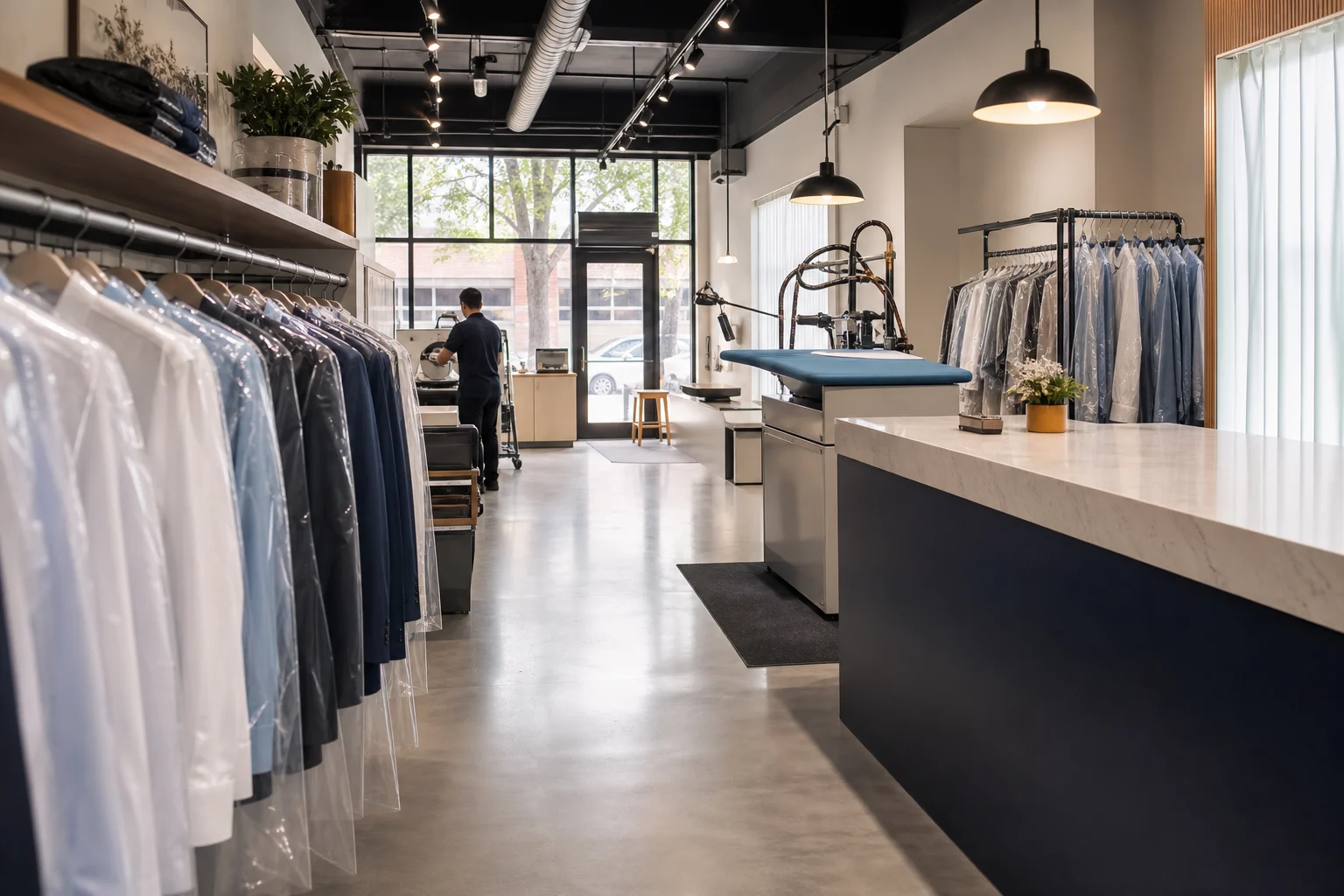
What does it cost to open a dry cleaner in Washington?
Major cost categories
Lease deposit and first/last month
Tenant improvements and buildout
Equipment and furniture
Dry cleaning requires specialized, often expensive equipment that must meet Washington's environmental standards. This includes dry cleaning machines, pressing equipment, and finishing stations. The type and capacity of equipment depend on the projected volume and service offerings. High-quality, energy-efficient machines may have higher upfront costs but lower long-term operating expenses. Furniture and fixtures, including customer waiting areas, counters, and storage solutions, represent additional investments that vary based on the desired customer experience and space constraints.
Licenses, permits, and insurance
Washington requires specific business licenses and environmental permits for dry cleaning operations. The DC Department of Consumer and Regulatory Affairs handles business licensing, while environmental permits may be required from the DC Department of Energy & Environment. Insurance costs include general liability, property insurance, and specialized coverage for hazardous materials. Operators should budget for legal and consulting fees to navigate the regulatory landscape, which can be particularly complex for businesses handling chemical solvents.
Initial inventory or supplies
Starting inventory includes cleaning supplies, hangers, bags, and other consumables. The initial investment depends on the scale of operations and desired inventory depth. Washington's competitive market may require a more comprehensive initial stock to meet customer expectations and avoid stockouts during the critical early months of operation.
Pre-opening payroll and training
Hiring and training staff before opening requires careful cash flow management. Washington's living wage requirements mean payroll costs are higher than in many other markets. Training programs for dry cleaning technicians, customer service representatives, and management must be factored into pre-opening expenses.
Working capital reserve
A working capital reserve is essential for covering operational costs during the ramp-up period when revenue may not yet cover expenses. Washington's high fixed costs mean operators need sufficient reserves to weather the initial months of operation without generating significant profit.
How Washington compares to other DC markets
Washington's dry cleaning market differs from other DC neighborhoods in several key ways. The concentration of government employees, professionals, and tourists creates consistent demand but also higher expectations for service quality and convenience. Rent costs in prime Washington locations are comparable to or exceed those in other desirable DC neighborhoods, but the customer base may have greater disposable income. The proximity to major employment centers like The George Washington University and federal agencies means potential for steady weekday business, but also competition from established operators who have built customer loyalty over years.
What competition looks like in the top areas
The top Washington neighborhoods for dry cleaners feature established competition with varying market positions. In Foggy Bottom / GWU, operators like Barr Cleaners (4.7 stars, 67 reviews), Penn Cleaners (4.5 stars, 56 reviews), and Gold Star Dry Cleaners (4.2 stars, 39 reviews) have built strong reputations. Logan Circle hosts Red Valet Cleaners (4.6 stars, 82 reviews), Tower Cleaners (4.7 stars, 69 reviews), and 11 M Cleaners (4.6 stars, 41 reviews), indicating a competitive but potentially fragmented market. Chevy Chase DC has fewer established players, with C & C Custom Cleaners (2.3 stars, 9 reviews) as the primary local operator, suggesting potential opportunity for a well-positioned new entrant. The competition landscape highlights the importance of differentiation-whether through service quality, convenience, or specialized offerings-to capture market share in these established neighborhoods.
Common cost overrun patterns
Several cost areas frequently exceed initial budgets for dry cleaner startups in Washington. Rent negotiations often result in higher-than-expected costs, especially in competitive neighborhoods. Buildout expenses can escalate due to unexpected structural issues or regulatory requirements. Equipment purchases may exceed budget if operators opt for higher-quality or more capable machines than initially planned. Regulatory compliance costs, including permits and environmental requirements, are often underestimated. Inventory and supply costs can also run higher than anticipated, particularly if operators choose premium brands or experience initial stock management challenges. Working capital requirements frequently prove insufficient, leading to cash flow difficulties during the ramp-up period.
How to validate your number before committing capital
Before committing capital, operators should validate their cost assumptions through several key steps. Research actual lease rates in target neighborhoods by contacting commercial real estate brokers familiar with the $35-$85/sqft/yr NNN market. Obtain detailed quotes for buildout from contractors experienced in dry cleaning facilities. Consult with equipment suppliers to understand total equipment costs and potential financing options. Research regulatory requirements thoroughly and budget for professional assistance. Analyze competitor pricing and service offerings to validate revenue assumptions. Create detailed cash flow projections that account for the ramp-up period and potential challenges. Consider engaging a business advisor familiar with Washington's retail and service sectors to review your financial model.
Neighborhood Comparison: Top Washington Areas for Dry Cleaners
| Neighborhood | Locavisor Score | Rent Band (NNN) | Key Advantages | Competition Level |
|---|

FAQ
Q: What are the most expensive neighborhoods for dry cleaner rent in Washington? A: The top neighborhoods for dry cleaners in Washington-Chevy Chase DC, Foggy Bottom / GWU, Logan Circle, Navy Yard / Capitol Riverfront, and Dupont Circle-all fall within the $35-$85/sqft/yr NNN rent band, with prime locations commanding the higher end of this range.
Q: How does Washington's dry cleaning market differ from other DC neighborhoods? A: Washington's market benefits from proximity to major employment centers and a professional customer base with higher disposable income, but faces higher rent costs and established competition compared to other DC neighborhoods.
Q: What should I look for in a dry cleaner location in Washington? A: Look for locations near transit hubs, affluent residential areas, and major employment centers. Consider visibility, accessibility, and proximity to complementary businesses. The top neighborhoods identified by Locavisor-Chevy Chase DC (7.8/10), Foggy Bottom / GWU (7.7/10), and Logan Circle (7.7/10)-offer strong location intelligence for dry cleaner success.
Last reviewed: 2026-05-30
Sources: U.S. Census Bureau ACS, LEHD LODES, Google Places, OpenStreetMap, Locavisor neighborhood scoring.
Methodology: Locavisor scores neighborhoods across demand, competition fit, rent fit, accessibility, and customer match. Scores reflect a snapshot of recent data and should be combined with on-the-ground research before lease decisions.
Disclaimer: This article provides informational content only and does not constitute legal, financial, accounting, or real-estate advice. Verify lease terms, licensing, local regulations, costs, and professional requirements with qualified local professionals before making business decisions.
Free preview shows top 3 neighborhoods. Full $9.99 report covers all 10 areas with personalized scoring + 90-day check-ins.
Informational only. Verify lease, licensing, local regulations, costs, and professional requirements with qualified local professionals.