Atlanta, GA · ice cream shop
Cost to open an ice cream shop in Atlanta
Opening an ice cream shop in Atlanta requires careful planning and budgeting. The cost to open an ice cream shop in Atlanta varies significantly based on location, size, concept, and operational approach. Atlanta's mixed market temperature and medium competition density create both opportunities and challenges for new ice cream entrepreneurs. Before investing, founders must understand the practical startup-cost stack to make informed decisions.
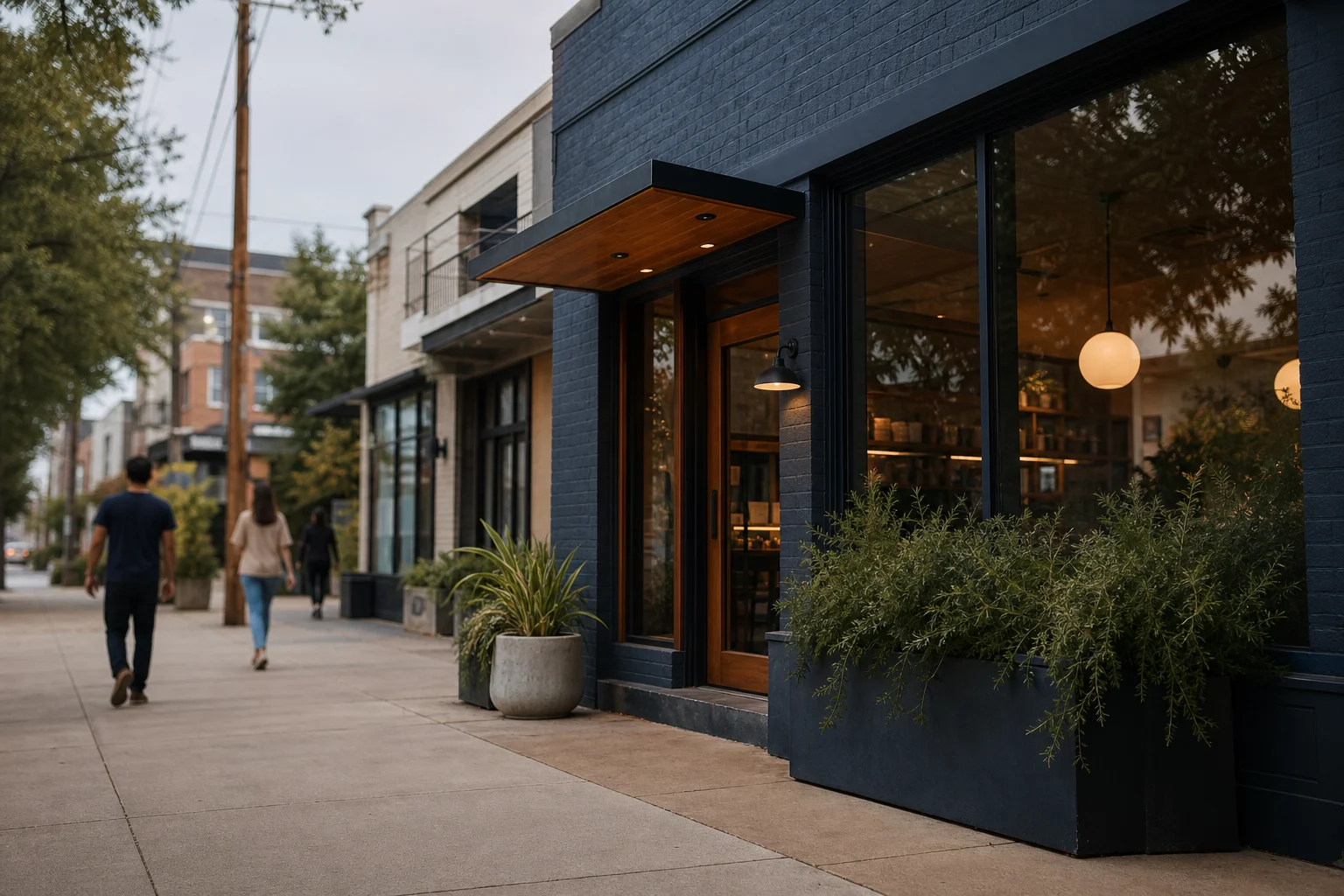
Main startup cost categories
The cost to open an ice cream shop in Atlanta falls into several key categories. Each category carries different financial implications and risk factors. Understanding these categories helps founders allocate resources effectively.
Rent represents the largest fixed cost for most ice cream shops. Atlanta's rent level is high, particularly in prime locations. Buildout costs transform raw space into a functional ice cream shop. Equipment purchases include essential machinery like freezers, mixers, and POS systems. Payroll covers staffing needs during operations. Opening inventory consists of initial ingredients, packaging, and supplies. Permits and licenses ensure legal compliance. Finally, cash reserves provide operating capital before reaching profitability.
Rent and lease assumptions in Atlanta
Atlanta's rental landscape varies dramatically by neighborhood. Locavisor neighborhood scoring identifies three top areas for ice cream shops, each with distinct rent characteristics. Downtown (5.5/10) scores highest on raw demand. GSU, CNN Center, Centennial Park, and a dense office core drive strong lunch and afternoon foot traffic. But rent is near trophy-tier ($90-140/sqft NNN), which is punishing for a medium-budget ice cream concept.
Smyrna / Vinings (5.4/10) offers the best rent-to-demand balance. Rent sits in the $45-70/sqft NNN range — manageable for a medium-budget operator. The Cold Stone Creamery at Vinings Jubilee (3.9★, 523 reviews) is the only direct competitor, and its middling rating suggests room for a premium independent concept.
West Midtown / Westside (5.4/10) is Atlanta's trendiest F&B corridor. Westside Provisions District, Atlantic Station, and Colony Square draw strong foot traffic from young professionals and tourists. While rent isn't specified in the data, the area's positioning suggests it falls between Downtown and Smyrna / Vinings in terms of cost.
When evaluating lease assumptions, consider triple net (NNN) terms that include property taxes, insurance, and maintenance. Lease length affects flexibility but may offer rent concessions for longer commitments. Build-out allowances can significantly reduce initial capital expenditure if negotiated properly.
Buildout, equipment, payroll, opening inventory, permits, and cash reserve
Buildout transforms a leased space into an ice cream shop. Costs depend heavily on existing conditions and desired aesthetic. A complete buildout includes plumbing for sinks and machines, electrical work for equipment, flooring, counter installation, and customer seating areas. Older buildings may require more extensive renovations to meet health codes and operational needs.
Equipment represents another major investment. Essential items include commercial ice cream freezers, display cases, pasteurizers, mixers, dipping cabinets, POS systems, and refrigeration. Consider energy efficiency ratings to reduce long-term operating costs. Used equipment can lower initial costs but may come with higher maintenance expenses and shorter lifespans.
Payroll needs vary by concept and hours of operation. Atlanta's minimum wage requirements apply, plus potential overtime pay. Factor in payroll taxes, workers' compensation insurance, and benefits if offering them. Staffing levels depend on expected customer volume and service style.
Opening inventory includes ingredients like milk, cream, sugar, flavorings, and mix-ins. Packaging costs for cups, spoons, napkins, and bags add up quickly. Initial supplies like cleaning chemicals, uniforms, and smallwares complete the inventory picture.
Permits and licenses ensure compliance with health, safety, and business regulations. Atlanta requires specific permits for food service operations. Health department inspections verify proper food handling and storage. Business licenses and tax registrations complete the legal requirements.
Cash reserves provide operating capital before reaching profitability. Many businesses underestimate the time needed to build steady customer traffic. A conservative cash reserve covers all fixed costs for several months while revenue grows.

Lean vs moderate vs generous launch budgets
Launch budget approaches vary significantly among ice cream shop founders. A lean budget minimizes initial investment by focusing on essentials and maximizing efficiency. This approach often involves smaller spaces, used equipment, and minimal decor. It requires careful planning to avoid cutting corners on quality or compliance.
A moderate budget balances initial investment with quality expectations. This approach typically includes new equipment, comfortable customer seating, and a well-designed space. It allows for better branding and customer experience while maintaining reasonable financial risk.
A generous budget prioritizes premium positioning and comprehensive offerings. This approach includes high-end equipment, extensive menu options, prime locations, and significant marketing investment. It carries higher financial risk but potentially greater market differentiation and customer loyalty.
The right budget approach depends on concept positioning, target market, and risk tolerance. Atlanta's mixed market temperature suggests that concepts with clear differentiation can succeed across budget spectrums. However, high rent levels in prime locations may make lean approaches more viable in certain neighborhoods.
What to validate before spending money
Before committing significant capital to an ice cream shop in Atlanta, validate several key assumptions. Lease terms should be thoroughly reviewed with legal counsel. Ensure the space meets all requirements for ice cream production and service. Consider visibility, foot traffic patterns, and parking availability.
Buildout scope should align with budget and operational needs. Obtain multiple contractor bids for any construction work. Verify that all equipment meets health department requirements and energy efficiency standards. Consider equipment maintenance costs and service availability.
Payroll models should reflect realistic staffing needs based on expected customer volume. Research Atlanta's labor market for ice cream shop staff. Consider seasonal fluctuations that may affect staffing requirements.
Opening inventory levels should balance initial needs with supplier reliability. Establish relationships with multiple suppliers to avoid dependency. Consider storage requirements for ingredients and packaging.
Permit requirements should be thoroughly researched with local authorities. Factor in inspection timelines and potential compliance costs. Consider ongoing permit renewal requirements and associated fees.
Cash reserve targets should cover all fixed costs for an extended period. Build conservative projections based on similar businesses in Atlanta. Consider potential delays in reaching operational milestones.
FAQ
How much does it cost to open An Ice Cream Shop in Atlanta?
The exact total cost to open an ice cream shop in Atlanta cannot be estimated from the provided data. Startup costs vary significantly based on location, size, concept, and operational approach. Key variables to validate include lease terms and buildout requirements in your chosen neighborhood, equipment needs based on your production capacity, staffing requirements based on expected customer volume, inventory needs based on menu offerings, permit costs specific to your location and business model, and appropriate cash reserve targets based on your fixed costs and revenue projections. Atlanta's high rent levels in prime locations like Downtown ($90-140/sqft NNN) significantly impact startup costs compared to more affordable areas like Smyrna / Vinings ($45-70/sqft NNN). Thorough validation of these variables before spending money is essential for accurate budgeting.
Last reviewed: 2026-05-08
Sources: U.S. Census Bureau ACS, LEHD LODES, Google Places, OpenStreetMap, Locavisor neighborhood scoring.
Methodology: Locavisor scores neighborhoods across demand, competition fit, rent fit, accessibility, and customer match. Scores reflect a snapshot of recent data and should be combined with on-the-ground research before lease decisions.
Disclaimer: This article provides informational content only and does not constitute legal, financial, accounting, or real-estate advice. Verify lease terms, licensing, local regulations, costs, and professional requirements with qualified local professionals before making business decisions.
Free preview shows top 3 neighborhoods. Full $9.99 report covers all 10 areas with personalized scoring + 90-day check-ins.
Informational only. Verify lease, licensing, local regulations, costs, and professional requirements with qualified local professionals.