Austin, TX · ice cream shop
Cost to open an ice cream shop in Austin
Opening an ice cream shop in Austin presents unique cost considerations shaped by the city's rapid growth, competitive food scene, and specific real estate dynamics. Austin's food culture demands quality and innovation, which impacts startup costs for equipment, ingredients, and labor. The city's real estate market, particularly in desirable neighborhoods, adds significant pressure to lease costs. Understanding these cost drivers is essential before committing capital to a new venture.
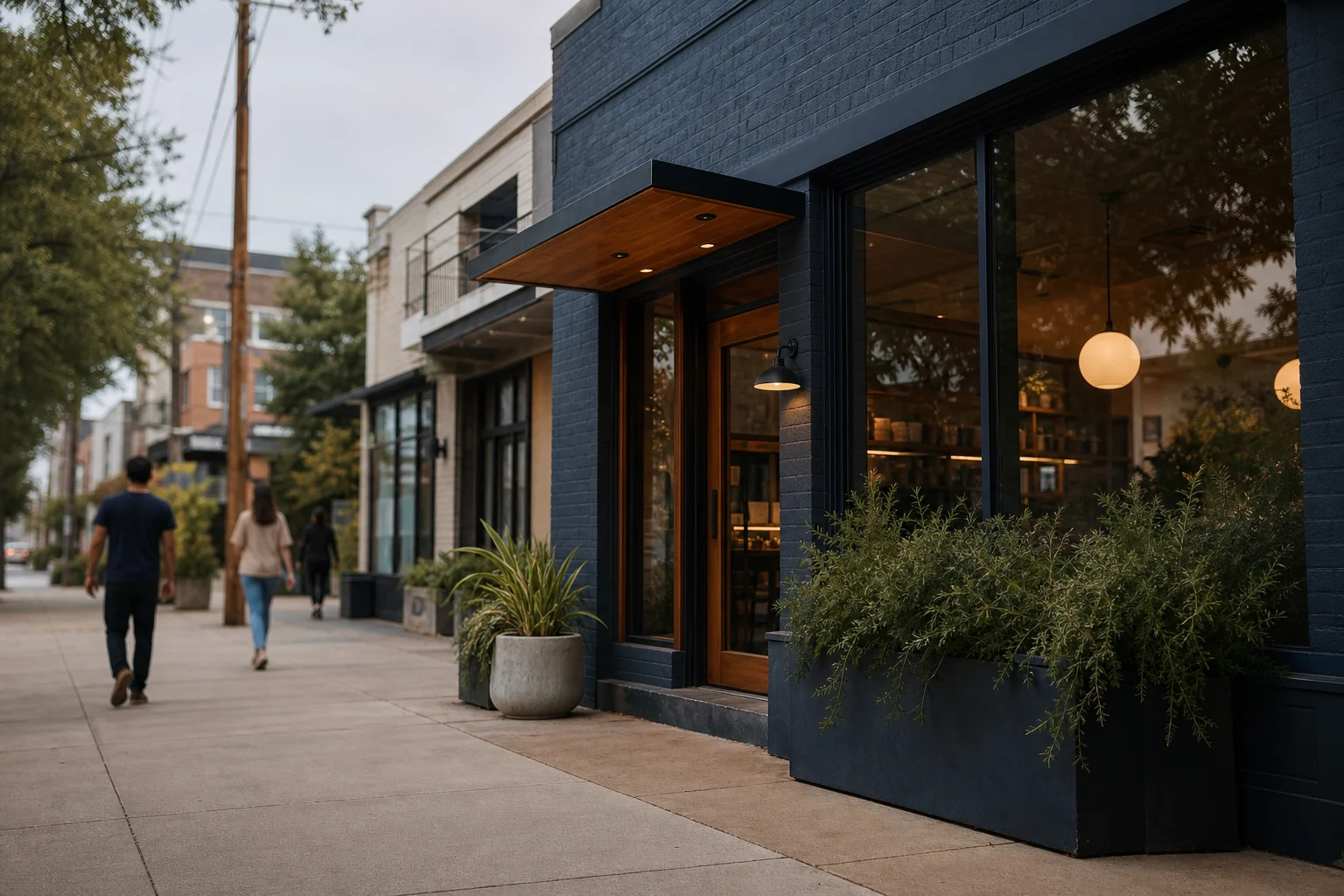
What does it cost to open a ice cream shop in Austin?
The total cost to open an ice cream shop in Austin varies widely based on location, size, and concept, but the primary cost pressures come from real estate, equipment, and labor. Austin's competitive market means founders must invest in quality ingredients and unique offerings to stand out. The city's food scene is saturated with options, so differentiation through premium products or unique experiences becomes a cost factor. Additionally, Austin's minimum wage and labor market conditions affect payroll expenses, while the city's permitting process adds administrative costs that founders must account for.
Major cost categories
Lease deposit and first/last month
Lease deposits and first/last month rent represent one of the largest upfront costs for any retail business, and Austin is no exception. The city's real estate market, particularly in popular neighborhoods, commands premium rates. According to Locavisor research, top neighborhoods for ice cream shops in Austin have rent bands ranging from $31-$60/sqft/yr NNN (triple net). This means founders must budget carefully for security deposits, which typically equal one to three months' rent, plus the first and last month's payment before opening.
The Domain / North Austin, with an overall score of 6.1/10, represents one of Austin's most expensive retail corridors, with rent bands at $31-$60/sqft/yr NNN. This area benefits from high foot traffic due to anchors like The Domain mall and Domain NORTHSIDE, but the premium comes at a cost. Mueller, with a score of 5.2/10, offers similar rent bands of $31-$60/sqft/yr NNN, providing a slightly more affordable option while still maintaining strong visibility near Mueller Regional Retail Center.
Tenant improvements and buildout
Tenant improvements (TI) and buildout costs vary significantly based on the condition of the space and the complexity of the design. Austin's commercial spaces often require substantial modifications to meet health codes, accessibility standards, and aesthetic requirements for food service. These costs can range from minimal for a space that's already set up for food service to substantial for a raw shell that needs plumbing, electrical work, and custom finishes.
The condition of the space directly impacts TI costs. A space with existing food service infrastructure might only require cosmetic updates and equipment installation, while a raw space could require full buildout including walk-in coolers, serving counters, and customer seating areas. Austin's building codes and health department requirements add layers of complexity that founders must account for in their budget planning.
Equipment and furniture
Equipment represents a major capital expenditure for ice cream shops, including commercial freezers, display cases, soft-serve machines, and point-of-sale systems. The quality and capacity of this equipment directly impacts both initial costs and long-term operational efficiency. Austin's climate also affects equipment needs, as reliable refrigeration becomes critical for maintaining product quality in the Texas heat.
Furniture costs include customer seating, tables, chairs, and potentially outdoor patio furniture if the location allows. The style and durability of these items impact both customer experience and long-term replacement costs. Founders must balance initial investment with the expected lifespan of equipment and furniture when planning their budget.
Licenses, permits, and insurance
Austin requires specific licenses and permits for food service businesses, including health department permits, business licenses, and potentially alcohol permits if serving boozy ice cream treats. These costs vary based on the complexity of the operation and the specific requirements of Travis County and the City of Austin. Insurance is another essential cost, including general liability, property insurance, and workers' compensation if hiring employees.
The permitting process in Austin can be time-consuming, so founders should account for potential delays in their timeline and budget. Working with local experts who understand Austin's specific requirements can help navigate this process more efficiently, though this adds to professional service costs.
Initial inventory or supplies
Initial inventory costs include ice cream bases, flavorings, toppings, cones, cups, and other consumables needed to open. The variety and quality of products directly impact these costs. Austin's food scene values quality and unique offerings, so founders may choose to invest in premium ingredients or develop signature flavors, which increases initial inventory expenses.
Supplies like packaging, napkins, and cleaning materials represent ongoing costs that founders must account for in their working capital. The volume of these supplies needed depends on the shop's expected customer traffic and service model.
Pre-opening payroll and training
Pre-opening payroll includes costs for hiring and training staff before the grand opening. This might include a manager, key staff members, and potentially the founder if drawing a salary during the setup phase. Training costs include both the time investment and any external training programs or certifications required for food safety.
Austin's competitive labor market means founders may need to offer competitive wages to attract qualified staff, impacting these pre-opening costs. The time required for proper training affects both the timeline and budget, as staff must be fully prepared before opening to ensure smooth operations.
Working capital reserve
A working capital reserve is essential for covering operating expenses during the initial months when revenue may be lower than expected. Austin's business environment, with its seasonal variations and competitive landscape, makes having adequate reserves particularly important. This reserve should cover rent, payroll, inventory, and other operating costs for at least three to six months.
The reserve amount depends on the shop's projected expenses and revenue timeline. Founders should be conservative in their estimates, as unexpected costs or slower-than-expected revenue can quickly deplete reserves.
How Austin compares to other TX markets
Austin's startup costs for an ice cream shop differ from other Texas markets due to its unique real estate dynamics and competitive food scene. Compared to smaller Texas cities, Austin's rent bands of $31-$60/sqft/yr NNN are significantly higher, reflecting the city's growth and desirability. However, compared to major coastal cities, Austin remains more affordable while still offering strong market potential.
The competitive landscape in Austin means founders must invest more in differentiation, whether through unique flavors, premium ingredients, or exceptional customer experience. This differentiation comes at a cost but is often necessary to stand out in a market with numerous food options. Other Texas markets might have lower rent but also lower customer traffic and spending power, affecting the overall cost-benefit analysis.
What competition looks like in the top areas
The top neighborhoods for ice cream shops in Austin, according to Locavisor scoring, offer different competitive landscapes. The Domain / North Austin, with a score of 6.1/10, already hosts established players like Jeni's Splendid Ice Creams, which has a 4.5-star rating from 754 reviews and operates in the $$ price range. This area's high foot traffic from The Domain mall and office spaces creates both opportunity and competition.
Mueller, with a score of 5.2/10, is home to Lick Honest Ice Creams, which has earned 4.4 stars from 557 reviews at a $$ price point. This neighborhood's family-friendly environment and proximity to Mueller Regional Retail Center provide a different customer base. The presence of existing successful ice cream shops in these areas indicates market viability but also means new entrants must offer something distinctive to capture market share.
| Neighborhood | Score | Rent Band | Key Competitors | Customer Profile |
|---|---|---|---|---|
| Domain / North Austin | 6.1/10 | $31-$60/sqft/yr NNN | Jeni's Splendid Ice Creams, Mylo's Creamery & Cafe Boba | Young professionals, mall shoppers, office workers |
| Mueller | 5.2/10 | $31-$60/sqft/yr NNN | Lick Honest Ice Creams, Lotus Creamery @ Texas Farmers Market | Families, retail shoppers, health-conscious consumers |
| Crestview / Brentwood | 5.7/10 | $31-$60/sqft/yr NNN | Limited direct competitors | Local residents, students, neighborhood shoppers |
| Cherrywood | 5.2/10 | $31-$60/sqft/yr NNN | Limited direct competitors | University students, young professionals, local residents |
| North Loop | 5.2/10 | $31-$60/sqft/yr NNN | Limited direct competitors | College students, neighborhood residents, casual shoppers |
Common cost overrun patterns
Several common cost overruns can impact ice cream shop startups in Austin. Underestimating buildout costs is a frequent issue, as older spaces often require more extensive renovations than anticipated to meet health codes and aesthetic standards. Equipment costs can also exceed budgets, especially when founders discover the need for additional or more specialized equipment during the setup phase.
Another common overrun is in inventory and supply costs, as founders may initially underestimate the volume needed or the price of premium ingredients. Austin's competitive labor market can also lead to higher-than-expected payroll costs, particularly if founders need to offer above-market wages to attract qualified staff. Finally, working capital reserves are often insufficient, leading to cash flow problems during the initial months of operation.
How to validate your number before committing capital
Validating cost assumptions is critical before committing capital to an ice cream shop in Austin. Founders should research specific lease rates in their target neighborhoods, obtaining actual quotes rather than relying on averages. Speaking with equipment suppliers and contractors can provide more accurate estimates for buildout and equipment costs.
Visiting competitors and asking about their experiences can offer valuable insights into actual operating costs and common challenges. Consulting with local business owners who have opened similar concepts in Austin can provide context-specific advice. Finally, creating detailed financial projections with conservative assumptions helps identify potential gaps before making significant financial commitments.

FAQ
What are the most affordable neighborhoods in Austin to open an ice cream shop?
According to Locavisor research, Mueller (5.2/10), Cherrywood (5.2/10), and North Loop (5.2/10) offer more affordable options compared to The Domain / North Austin (6.1/10), while still maintaining strong visibility and customer traffic. These neighborhoods have rent bands of $31-$60/sqft/yr NNN, providing a balance between affordability and market potential.
How does Austin's permitting process affect startup costs?
Austin's permitting process for food service businesses can add both time and cost to your startup timeline. Founders should budget for potential delays and the costs of meeting specific city and county requirements. Working with local experts who understand Austin's regulations can help streamline this process and avoid costly mistakes.
What makes Austin different from other Texas cities for ice cream shop costs?
Austin's competitive food scene and premium real estate market create higher startup costs compared to smaller Texas cities. However, Austin's customer base and spending power can justify these higher costs. The city's year-round warm weather also supports consistent demand for ice cream, unlike some other Texas markets with more extreme temperature variations.
Last reviewed: 2026-05-30
Sources: U.S. Census Bureau ACS, LEHD LODES, Google Places, OpenStreetMap, Locavisor neighborhood scoring.
Methodology: Locavisor scores neighborhoods across demand, competition fit, rent fit, accessibility, and customer match. Scores reflect a snapshot of recent data and should be combined with on-the-ground research before lease decisions.
Disclaimer: This article provides informational content only and does not constitute legal, financial, accounting, or real-estate advice. Verify lease terms, licensing, local regulations, costs, and professional requirements with qualified local professionals before making business decisions.
Free preview shows top 3 neighborhoods. Full $9.99 report covers all 10 areas with personalized scoring + 90-day check-ins.
Informational only. Verify lease, licensing, local regulations, costs, and professional requirements with qualified local professionals.