Chicago, IL · ice cream shop
Cost to open an ice cream shop in Chicago
Opening an ice cream shop in Chicago presents unique cost considerations shaped by the city's dense urban environment, competitive market, and specific neighborhood dynamics. The cost structure for an ice cream shop in Chicago differs significantly from other Illinois markets due to factors like higher rent bands, stricter permitting requirements, and the need to differentiate in a market with established players. Understanding these cost pressures is essential before committing capital to a new venture.
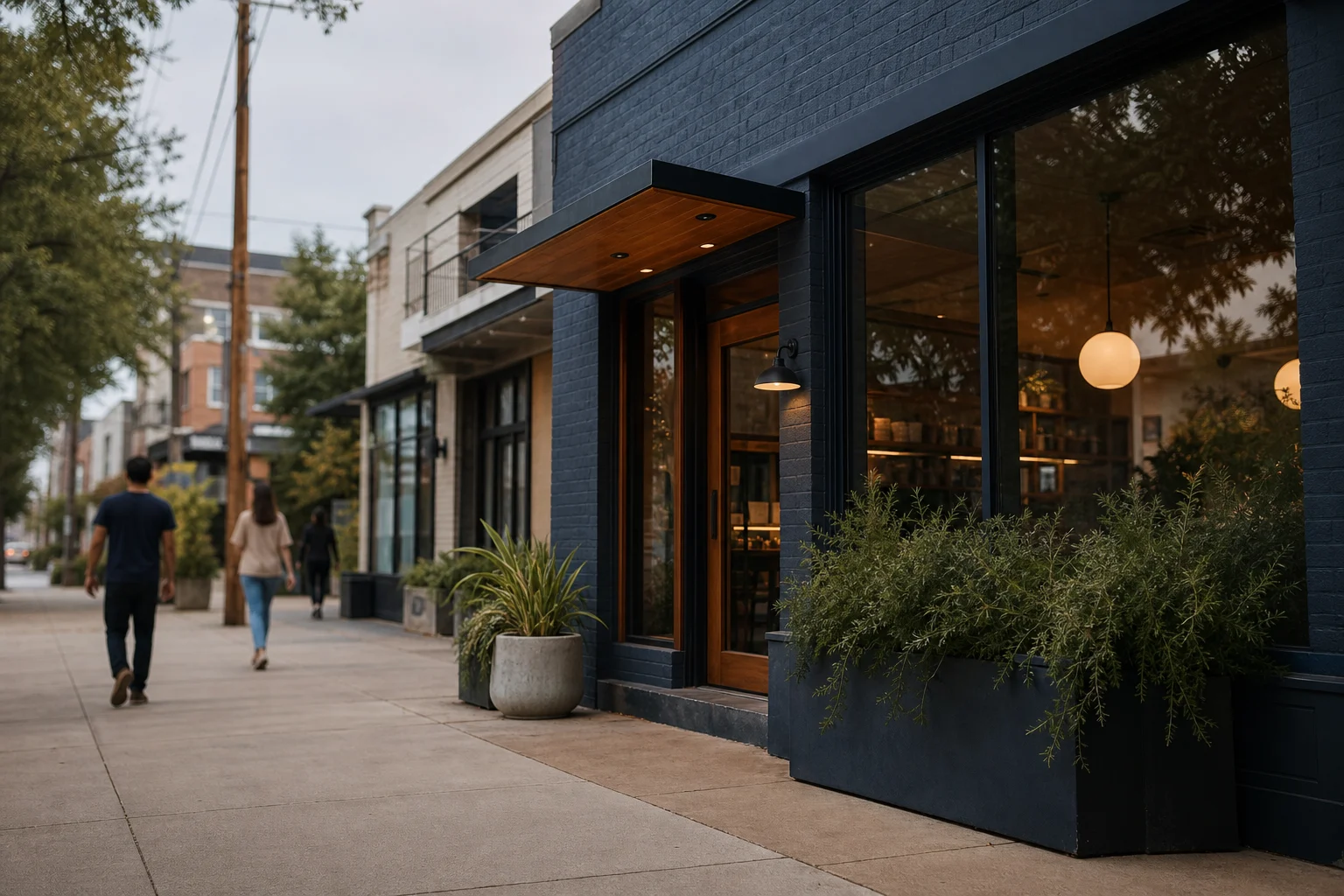
What does it cost to open a ice cream shop in Chicago?
The total cost to open an ice cream shop in Chicago varies widely based on location, size, and operational model, but the primary cost drivers remain consistent across neighborhoods. Chicago's commercial real estate market, particularly in desirable areas, creates significant lease-related expenses. The city's permitting process, while standardized, requires careful navigation to avoid unexpected delays and costs. Additionally, competition in established neighborhoods means new entrants must invest in differentiation, whether through unique offerings, superior customer experience, or strategic marketing.
When evaluating the cost to open an ice cream shop in Chicago, founders must consider both upfront capital requirements and ongoing operational expenses. The city's diverse neighborhoods offer different opportunities and challenges, with rent bands typically ranging from $22-$80/sqft/yr NNN across top locations. This variation reflects the difference between less premium areas like Rogers Park (score 6.2/10) and highly desirable locations like Chinatown (score 6.8/10), though both fall within the same rent parameters.
Major cost categories
Lease deposit and first/last month
Lease costs represent one of the most substantial upfront expenses for any ice cream shop in Chicago. The rent bands in top neighborhoods typically range from $22-$80/sqft/yr NNN (triple net), meaning tenants pay base rent plus a portion of property taxes, insurance, and maintenance. This range reflects the significant variation between less premium and highly desirable locations. For example, Chinatown scores 6.8/10 with the same $22-$80/sqft/yr NNN rent band, while Rogers Park scores 6.2/10 with identical rent parameters. The deposit structure usually requires first and last month's rent plus a security deposit, which can represent a considerable upfront cash requirement.
In neighborhoods like Edgewater (score 6.1/10, $22-$80/sqft/yr NNN) and Devon Ave/West Ridge (score 6.1/10, $22-$80/sqft/yr NNN), the rent bands remain consistent, but the overall score differences suggest variations in foot traffic, visibility, and customer demographics that can impact revenue potential. These factors should be weighed against the lease costs when making location decisions.
Tenant improvements and buildout
Tenant improvements (TI) and buildout costs vary dramatically based on the condition of the space and the specific requirements of an ice cream shop. Ice cream shops typically need specialized refrigeration systems, display cases, and potentially a soft-serve machine area. The buildout must also accommodate customer flow, seating (if applicable), and potentially a service counter. In Chicago's competitive market, a well-designed space that creates an inviting atmosphere can be a significant differentiator, but this comes with additional costs.
The condition of the space you lease-whether it's a shell, partially finished, or turnkey-will dramatically impact these expenses. Older buildings in established neighborhoods may require more extensive electrical or HVAC upgrades to support ice cream shop equipment, while newer spaces might have more of the necessary infrastructure in place. Engaging a contractor experienced in food service buildouts can help identify potential hidden costs during the due diligence phase.
Equipment and furniture
Ice cream shop equipment represents a major capital expenditure. Essential equipment typically includes display freezers, soft-serve machines, dipping cabinets, a point-of-sale system, and potentially a milkshake machine. Furniture needs may include customer seating, tables, and potentially outdoor seating if the location permits. The quality and capacity of this equipment will affect both upfront costs and long-term operational efficiency. In Chicago's market, where customers have numerous options, investing in reliable, attractive equipment can impact customer perception and operational success.
When selecting equipment, consider the specific needs of your concept. A traditional scoop shop might prioritize high-quality dipping cabinets and display cases, while a shop focusing on specialty treats might invest more in soft-serve machines or custom flavor development equipment. The choice should align with your target customer base and competitive positioning within your chosen neighborhood.
Licenses, permits, and insurance
Chicago requires specific licenses and permits for food service businesses, including health department permits, business licenses, and potentially signage permits. The process involves multiple city agencies and can take several weeks to complete. Insurance costs, particularly liability insurance, are non-negotiable for any food service business and represent an ongoing expense. These costs, while not the largest upfront expense, are essential to factor into your budget and timeline.
The City of Chicago's Department of Business Affairs and Consumer Protection handles business licensing, while the Chicago Department of Public Health oversees food service permits. Navigating these requirements proactively can prevent costly delays. Additionally, consider specialized insurance like product liability coverage, which may be particularly important for a business serving food products.
Initial inventory or supplies
Initial inventory costs include ice cream (either produced in-house or purchased), cones, toppings, cups, napkins, and other consumables. The scale of your initial inventory should align with your projected opening sales and restocking capabilities. In Chicago's market, where customer expectations include variety, having a well-stocked selection from day one can impact early customer satisfaction and word-of-mouth marketing.
Consider the specific preferences of your target neighborhood when planning inventory. In areas like Chinatown, offering flavors that appeal to diverse customer bases might be advantageous. In neighborhoods near universities like Hyde Park (near University of Chicago), consider products that appeal to student demographics, such as affordable options or study-friendly treats.
Pre-opening payroll and training
Pre-opening payroll covers staff training before the grand opening. This includes time spent on food safety certification, operational training, and potentially a soft opening period. In a city with diverse customer bases across neighborhoods, training staff to handle different customer preferences and potential cultural considerations (particularly in neighborhoods like Chinatown) adds another layer of preparation.
Food safety certification through the Chicago Department of Public Health is mandatory for all food service employees. Budgeting for this training and certification process is essential. Additionally, consider the time needed for staff to become familiar with your specific operations, POS system, and customer service approach before opening to the public.
Working capital reserve
A working capital reserve is essential for covering operational expenses during the critical early months when revenue may not yet cover costs. This reserve should account for rent, payroll, utilities, and inventory replenishment. In Chicago's competitive market, having adequate working capital can be the difference between weathering slow initial months and forced closure.
Industry benchmarks suggest maintaining at least three months of operating expenses in reserve. This buffer allows you to adjust to market realities, refine your offerings, and build customer loyalty without financial pressure. In neighborhoods with higher foot traffic but also higher competition, this reserve becomes even more critical.
How Chicago compares to other IL markets
Chicago's commercial real estate market presents different dynamics than other Illinois markets. While rent bands in top Chicago neighborhoods fall within the $22-$80/sqft/yr NNN range, other Illinois cities may offer lower rates. However, Chicago's density of foot traffic and customer base can justify these higher costs for the right concept. The permitting process in Chicago, while thorough, is generally consistent across the city, unlike more fragmented processes in smaller municipalities.
Additionally, Chicago's diverse population creates opportunities for specialized ice cream concepts that might not thrive in more homogeneous markets. Neighborhoods like Devon Ave/West Ridge (score 6.1/10, $22-$80/sqft/yr NNN) with significant cultural diversity might support concepts that cater to specific communities, while areas near universities like Hyde Park (near University of Chicago) might favor student-oriented offerings.
What competition looks like in the top areas
The competitive landscape in Chicago's top neighborhoods for ice cream shops varies significantly. In Chinatown (score 6.8/10, $22-$80/sqft/yr NNN), the market may cater to both local residents and tourists, requiring a concept that balances authenticity with approachability. Rogers Park (score 6.2/10, $22-$80/sqft/yr NNN) has existing players like Baskin-Robbins, indicating a traditional ice cream market. Hyde Park (score 6.1/10, $22-$80/sqft/yr NNN) features competitors like Kilwins Ice Cream and Dunkin' Baskin-Robbins, suggesting a market that supports both specialized and hybrid concepts.
Understanding the existing competition helps determine where your concept might fit and what differentiators would be most effective. For example, in areas with established players, focusing on unique flavors, superior customer service, or a distinct atmosphere might be necessary to capture market share. In neighborhoods with less direct competition, being the first to offer high-quality ice cream could create a strong market position.
Common cost overrun patterns
Several common cost overruns can impact ice cream shop startups in Chicago. Underestimating buildout costs is frequent, particularly when dealing with older buildings that may require unexpected repairs or upgrades to meet code. Rent escalation clauses in leases can also lead to higher than anticipated ongoing costs. Additionally, equipment breakdowns or the need for replacement units can create unplanned expenses.
In Chicago's market, where customer expectations include consistent quality, having backup equipment or rapid repair capabilities is essential but represents an additional cost consideration. Many successful ice cream shop owners recommend budgeting 10-15% above initial estimates to account for these potential overruns. This buffer can prevent cash flow problems if unexpected expenses arise.
How to validate your number before committing capital
Validating your cost assumptions is critical before committing capital. Research actual lease rates in your target neighborhood by contacting local commercial real estate brokers. Obtain multiple quotes for buildout and equipment to understand market pricing. Consult with existing ice cream shop owners in Chicago-while specific financial details may be confidential, they can provide valuable insights into hidden costs.
Review city permitting requirements thoroughly and build in buffer time for potential delays. The City of Chicago's Business Affairs and Consumer Protection department provides resources for new business owners, including checklists and contact information. Finally, create detailed financial projections that account for both best-case and worst-case scenarios, with particular attention to the first 12 months of operation.
| Cost Category | Key Considerations in Chicago | Typical Range* |
|---|---|---|
| Buildout | Specialized refrigeration, display cases, customer flow | Significant upfront investment |
| Equipment | Display freezers, soft-serve machines, POS systems | Major capital expense |
| Permits | Health department, business licenses, signage | Mandatory but variable |
| Inventory | Initial stock of ice cream, cones, toppings | Ongoing operational cost |
| Working Capital | 3+ months of operating expenses | Critical for early months |
*Note: Ranges are illustrative and actual costs vary based on specific circumstances.

FAQ
Q: What are the most affordable neighborhoods in Chicago to open an ice cream shop?
A: Based on Locavisor scoring, Rogers Park (6.2/10), Edgewater (6.1/10), Devon Ave/West Ridge (6.1/10), and Hyde Park (6.1/10) represent more affordable options compared to Chinatown (6.8/10), though all fall within the same $22-$80/sqft/yr NNN rent band. Your choice should balance affordability with your target customer demographic and competition analysis.
Q: How does Chicago's permitting process compare to other cities?
A: Chicago's permitting process is thorough and involves multiple city agencies, which can extend timelines compared to smaller municipalities. However, the process is generally consistent across the city, and resources are available to help navigate requirements. Budget additional time (typically a variable local timeline) and potential consultation fees to ensure compliance.
Q: What equipment is essential for a successful ice cream shop in Chicago?
A: Essential equipment includes display freezers, dipping cabinets, a point-of-sale system, and potentially soft-serve machines. The specific mix depends on your concept-whether you'll offer traditional scoops, specialty treats, or both. In Chicago's competitive market, investing in reliable, attractive equipment that showcases your products effectively is crucial for customer appeal.
Last reviewed: 2026-05-30
Sources: U.S. Census Bureau ACS, LEHD LODES, Google Places, OpenStreetMap, Locavisor neighborhood scoring.
Methodology: Locavisor scores neighborhoods across demand, competition fit, rent fit, accessibility, and customer match. Scores reflect a snapshot of recent data and should be combined with on-the-ground research before lease decisions.
Disclaimer: This article provides informational content only and does not constitute legal, financial, accounting, or real-estate advice. Verify lease terms, licensing, local regulations, costs, and professional requirements with qualified local professionals before making business decisions.
Free preview shows top 3 neighborhoods. Full $9.99 report covers all 10 areas with personalized scoring + 90-day check-ins.
Informational only. Verify lease, licensing, local regulations, costs, and professional requirements with qualified local professionals.