Denver, CO · ice cream shop
Cost to open an ice cream shop in Denver
Opening an ice cream shop in Denver presents unique cost considerations shaped by the city's competitive food scene and specific real estate dynamics. Denver's vibrant neighborhoods, each with distinct foot traffic patterns and customer demographics, create varied cost structures for new ice cream businesses. The Mile High City's demand for artisanal and premium frozen treats means entrepreneurs must carefully evaluate location, competition, and operational costs to establish a viable business.
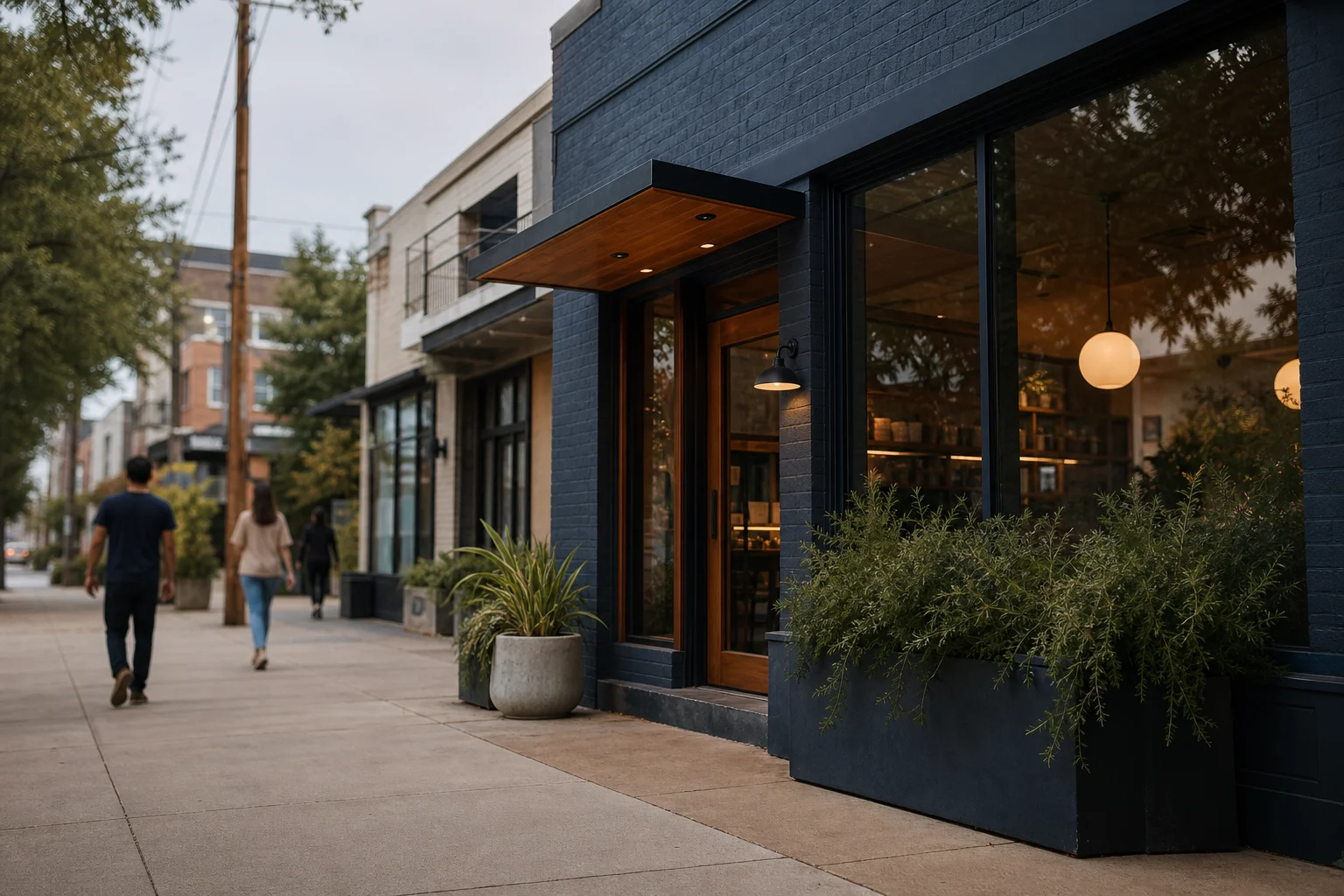
What does it cost to open a ice cream shop in Denver?
The cost to open an ice cream shop in Denver varies significantly based on location, size, and operational model. Denver's top neighborhoods for ice cream shops-LoDo, RiNo, Five Points, Cherry Creek, and Capitol Hill-each present different rent structures and customer demographics that directly impact startup expenses. Understanding these neighborhood-specific costs is crucial for accurate financial planning. The city's elevation, climate considerations, and competitive landscape all factor into the total investment required to launch a successful ice cream business.
Major cost categories
Lease deposit and first/last month
Lease deposits and first/last month payments represent one of the largest upfront costs for any new ice cream shop. In Denver's competitive market, securing prime retail space often requires substantial capital. The top neighborhoods for ice cream shops show significant variation in rental rates, with Cherry Creek commanding the highest at $75/sqft/yr NNN, while Five Points and Capitol Hill offer more affordable options in the $26-$75/sqft/yr NNN range. LoDo and RiNo both sit at $48/sqft/yr NNN, reflecting their prime downtown locations near major attractions like 16th Street Mall and Union Station. These rental differences can translate to thousands of dollars in monthly expenses, making location selection a critical financial decision.
Tenant improvements and buildout
Equipment and furniture
Ice cream shop equipment represents a substantial capital investment. Denver's climate, with its hot summers and cold winters, means your equipment must handle temperature fluctuations while maintaining consistent product quality. The city's elevation (one mile above sea level) also affects freezing processes and may require specialized equipment adjustments. From commercial freezers and soft-serve machines to display cases and POS systems, the equipment needs of your Denver ice cream shop will directly impact your startup costs. High-quality equipment that can withstand Denver's altitude and temperature variations is essential for product consistency and customer satisfaction.
Licenses, permits, and insurance
Initial inventory or supplies
Pre-opening payroll and training
Hiring and training staff before opening is another critical cost category. Denver's competitive labor market means you'll need to offer competitive wages to attract qualified employees. Training programs should cover not just operational procedures but also customer service standards that align with Denver's hospitality expectations. The timing of your hiring-whether concentrated just before opening or staggered over several months-affects cash flow and overall payroll expenses. Denver's minimum wage requirements and tip credit rules also impact labor costs for service-oriented businesses.
Working capital reserve
Establishing a working capital reserve is essential for covering operational costs during the critical early months when revenue may be inconsistent. Denver's seasonal tourism patterns and weather-dependent foot traffic mean ice cream shops may experience significant revenue fluctuations. A robust working capital reserve helps manage cash flow during slower periods and unexpected expenses. Most financial advisors recommend having at least three to six months of operating expenses in reserve when launching a new business in Denver's competitive market.
How Denver compares to other CO markets
Denver's ice cream shop startup costs differ notably from other Colorado markets. Colorado Springs, for example, typically offers lower rental rates but may have less foot traffic and customer density. Boulder presents higher rental costs in prime areas but benefits from a strong local economy and university presence. Fort Collins offers a balance of affordable space and a vibrant downtown scene. Understanding these regional differences helps contextualize Denver's specific cost structure within Colorado's broader market. Denver's status as a major tourist destination and its diverse population generally support higher price points and greater revenue potential, but also come with increased competition and operating costs.
What competition looks like in the top areas
Denver's top neighborhoods for ice cream shops feature established competitors that shape market dynamics and customer expectations. In LoDo, operators like Van Leeuwen Ice Cream (4.6 stars, $$) and Milkbox Ice Creamery (4.1 stars, $$) have built strong reputations, while Mc2 Ice Cream (4.4 stars, $$$) targets a premium segment. RiNo's Heaven Creamery (4.4 stars, $$) leverages the neighborhood's artistic vibe, and Cherry Creek hosts both Heaven Creamery (4.7 stars, $$) and Little Man Ice Cream (4.8 stars, no price listed), demonstrating the area's appeal to established brands. Capitol Hill's Sadboy Creamery (4.8 stars, no price listed) shows how neighborhood-specific concepts can thrive in Denver's competitive landscape. These competitors have established customer bases and operational efficiencies that new entrants must consider when planning their market entry strategy.
Common cost overrun patterns
Several patterns emerge in ice cream shop startups that can lead to unexpected cost increases. Underestimating buildout requirements-particularly in older Denver buildings with outdated infrastructure-is common. Equipment costs often exceed initial budgets when accounting for specialized frozen dessert machinery suitable for Denver's altitude. Inventory miscalculations, especially for seasonal flavors popular in Denver's summer months, can create cash flow challenges. Additionally, Denver's strict health and safety regulations may require unexpected compliance investments that impact startup costs. Many new ice cream shop owners also overlook marketing expenses needed to establish brand awareness in Denver's crowded food scene.
How to validate your number before committing capital
Validating your cost assumptions is critical before committing capital to a Denver ice cream shop. Research comparable spaces in your target neighborhood by contacting local commercial real estate agents familiar with Denver's market. Obtain multiple equipment quotes that account for Denver's altitude and climate considerations. Consult with existing Denver ice cream shop owners-such as those in LoDo, RiNo, or Cherry Creek-to understand real-world operational costs. Engage with Denver's Department of Excise and Licenses early to clarify permit and licensing requirements. Finally, create detailed cash flow projections that account for Denver's seasonal variations and tourism impacts. Building relationships with local suppliers can also provide valuable insights into inventory costs and supply chain considerations specific to Denver's market.

FAQ
What are the most expensive neighborhoods for ice cream shop rent in Denver?
Cherry Creek is Denver's most expensive neighborhood for ice cream shop rent at $75/sqft/yr NNN. This premium location near Cherry Creek Shopping Center and Cherry Creek North commands higher rates due to high foot traffic and affluent customer demographics. LoDo and RiNo both sit at $48/sqft/yr NNN, while Five Points and Capitol Hill offer more affordable options in the $26-$75/sqft/yr NNN range.
| Neighborhood | Rent Band (NNN) | Key Attractions |
|---|
How does Denver's altitude affect ice cream shop equipment costs?
Denver's elevation (one mile above sea level) requires specialized ice cream equipment that can maintain consistent freezing temperatures despite lower air pressure. Standard ice cream machines may need adjustments or replacement with altitude-specific models, potentially increasing equipment costs by 10-20% compared to sea-level operations. Equipment suppliers familiar with Denver's market can provide appropriate recommendations and may offer local service support that proves valuable for long-term operations.
What are the key regulatory considerations for Denver ice cream shops?
Denver ice cream shops must obtain food service licenses from the Colorado Department of Public Health and Environment and potentially additional permits from Denver's Department of Excise and Licenses. Health department inspections focus on temperature control, sanitation, and proper food handling-critical for frozen desserts. Zoning regulations vary by neighborhood, with some areas like RiNo having specific requirements for food establishments. Insurance requirements typically include general liability, property, and workers' compensation coverage, with premiums varying based on location and coverage limits.
Last reviewed: 2026-05-30
Sources: U.S. Census Bureau ACS, LEHD LODES, Google Places, OpenStreetMap, Locavisor neighborhood scoring.
Methodology: Locavisor scores neighborhoods across demand, competition fit, rent fit, accessibility, and customer match. Scores reflect a snapshot of recent data and should be combined with on-the-ground research before lease decisions.
Disclaimer: This article provides informational content only and does not constitute legal, financial, accounting, or real-estate advice. Verify lease terms, licensing, local regulations, costs, and professional requirements with qualified local professionals before making business decisions.
Free preview shows top 3 neighborhoods. Full $9.99 report covers all 10 areas with personalized scoring + 90-day check-ins.
Informational only. Verify lease, licensing, local regulations, costs, and professional requirements with qualified local professionals.