Fort Worth, TX · ice cream shop
Cost to open an ice cream shop in Fort Worth
Opening an ice cream shop in Fort Worth requires careful planning of startup costs. The cost to open an ice cream shop in Fort Worth varies based on location, size, concept, and operational approach. This guide breaks down the practical startup-cost stack for ice cream shop founders in Fort Worth, covering rent, buildout, equipment, permits, hiring, launch cash, and common cost traps. 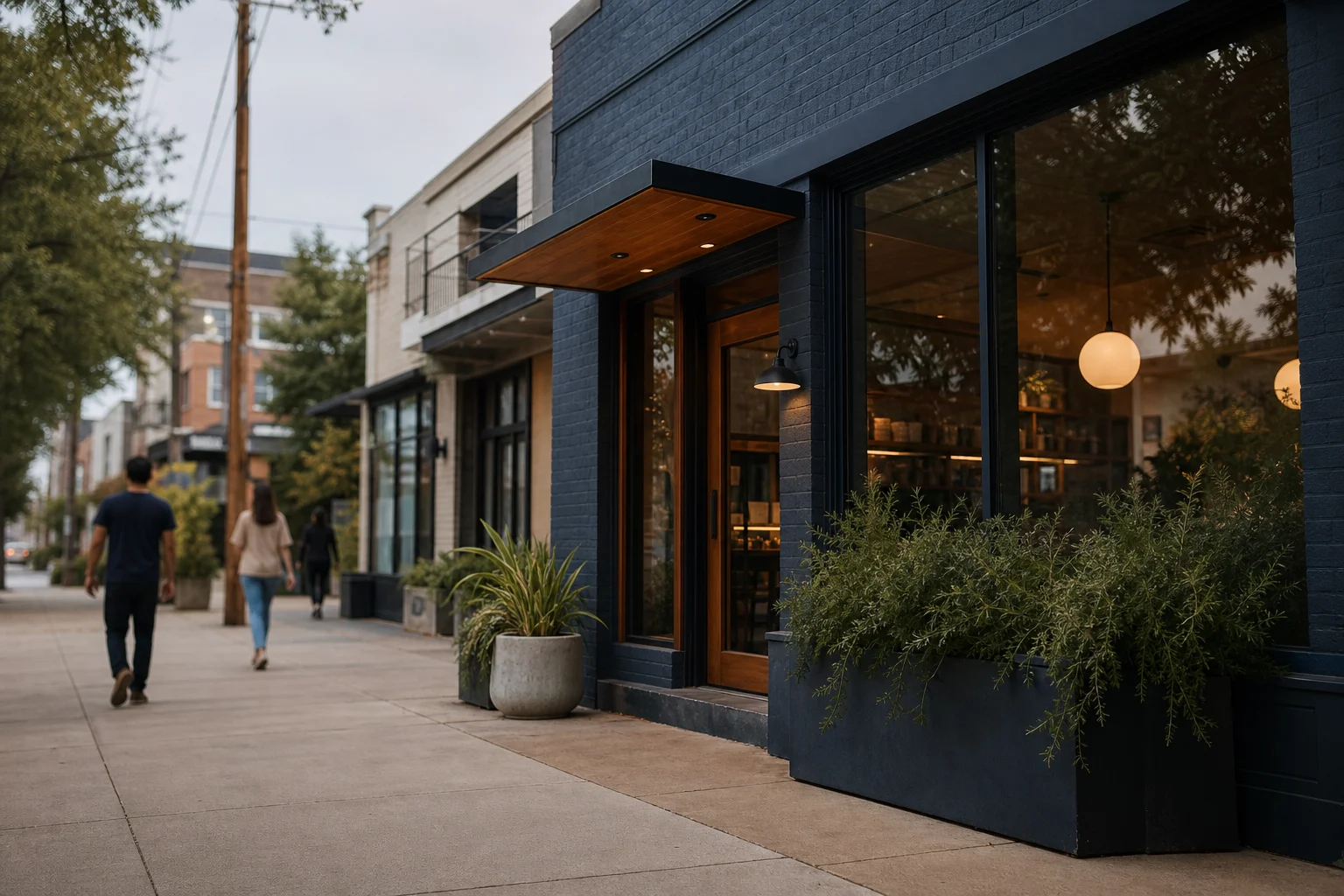
Main startup cost categories
When planning to open an ice cream shop in Fort Worth, founders should consider several key cost categories. These include rent and lease assumptions, buildout and equipment costs, payroll expenses, opening inventory, permits and licenses, and cash reserves for the initial launch period. Each category requires careful validation before committing funds.
Fort Worth's market temperature is mixed, with medium competition density and low rent levels. These factors influence the cost structure for ice cream shop startups. The city offers several promising locations, each with different cost implications and market characteristics.
Rent and lease assumptions in Fort Worth
Rent represents one of the largest fixed costs for an ice cream shop in Fort Worth. Based on Locavisor neighborhood scoring data, Fort Worth offers low rent levels compared to other cities, which helps reduce startup costs. However, rent varies significantly across different neighborhoods.
The top three areas for an ice cream shop in Fort Worth are:
Stockyards (7.0/10) — Stockyards is Fort Worth's iconic tourist corridor anchored by the Fort Worth Stockyards, Billy Bob's, and Exchange Ave. Walkability is near-ceiling, and the tourist + evening daypart strength supports impulse ice-cream purchases. MELT Ice Creams operates 126m away at Mule Alley (4.4★, 266 reviews) — direct competition but validates the concept.
Sundance Square (6.3/10) — Sundance Square is Fort Worth's downtown core — Bass Performance Hall, Sundance Square plaza, and a dense office-worker daytime population. Daytime population density is near-ceiling, with strong lunch and morning dayparts. MELT Ice Creams operates on Main Street (4.5★, 426 reviews) just 118m from centroid. Rent runs roughly $30-50/sqft NNN.
Cultural District (5.7/10) — The Cultural District clusters the Kimbell Art Museum, Modern Art Museum, Dickies Arena, and Will Rogers complex — a museum-and-event destination. Walkability is strong, and daytime population density is above-average. No direct ice-cream competitors exist within the district, though The Great Outdoors Sub Shop (4.2★, 368 reviews) lists ice-cream as a secondary offering.
Founders should validate lease terms carefully, including square footage requirements, lease duration, and additional costs like property taxes, insurance, and maintenance. The positioning of "Best for a tourist-and-event-driven ice-cream concept near Stockyards' Exchange Ave foot traffic" suggests that while rent levels are low, the right location can still generate strong revenue potential.
Buildout, equipment, payroll, opening inventory, permits, and cash reserve
Beyond rent, several other significant cost categories require attention when opening an ice cream shop in Fort Worth.
Buildout costs depend on the condition of the space and the specific design requirements. Fort Worth's low rent levels may correlate with spaces that require more extensive buildout, increasing initial investment. Founders should validate the condition of potential spaces and budget accordingly for necessary renovations.
Equipment represents another major expense. Ice cream shops require specialized equipment including freezers, display cases, mixers, and POS systems. The specific equipment needs depend on the shop's concept and scale.
Payroll costs include hiring and training staff. Fort Worth's market conditions may affect wage expectations, though specific figures aren't available from the provided data. Founders should validate local wage rates and staffing requirements based on their expected hours of operation.
Opening inventory costs include initial stock of ice cream, toppings, cones, cups, and other supplies. These costs depend on the shop's menu and initial sales projections.
Permits and licenses are essential legal requirements for operating an ice cream shop in Fort Worth. Founders should research local requirements and budget for these necessary expenses.
Cash reserves are critical for covering initial operating expenses before the business becomes profitable. Fort Worth's mixed market temperature suggests founders should maintain adequate cash reserves to navigate potential fluctuations in customer traffic and sales.

Lean vs moderate vs generous launch budgets
Founders should consider different approaches to budgeting based on their financial resources and risk tolerance. A lean launch budget minimizes initial investment while a generous budget allows for more comprehensive setup and marketing.
A lean approach might involve a smaller space with minimal buildout, basic equipment, and a limited menu. This reduces initial costs but may limit growth potential and customer appeal.
A moderate budget allows for a more complete setup with quality equipment, comfortable seating, and a diverse menu. This approach balances initial investment with customer experience.
A generous budget enables premium equipment, extensive marketing, and a full-featured customer experience. This approach maximizes initial appeal but requires more capital.
The specific budget approach should align with the founder's financial resources, business goals, and target market expectations. Fort Worth's low rent levels provide flexibility for different budget approaches.
What to validate before spending money
Before committing significant funds to an ice cream shop in Fort Worth, founders should validate several key assumptions:
Lease assumptions should be thoroughly researched, including actual square footage costs, lease terms, and additional expenses. The rent level in Fort Worth is low, but founders should verify specific costs for their target location.
Buildout scope should be validated based on the condition of potential spaces and the specific requirements of the ice cream concept. Fort Worth's market may offer opportunities for cost-effective buildouts.
Equipment needs should be carefully researched based on the specific menu and operational requirements. Founders should obtain quotes for necessary equipment and validate quality and reliability.
Payroll model should be developed based on expected hours of operation and staffing requirements. Fort Worth's labor market conditions may affect wage expectations.
Opening inventory requirements should be calculated based on initial sales projections and supplier lead times. Founders should establish relationships with suppliers early.
Cash reserve needs should be determined based on expected operating expenses and sales projections. Fort Worth's mixed market temperature suggests maintaining adequate reserves.
Local professional review is essential. Founders should consult with local attorneys, accountants, and business advisors familiar with Fort Worth's specific requirements and market conditions.
FAQ
How much does it cost to open An Ice Cream Shop in Fort Worth?
The exact total cost to open an ice cream shop in Fort Worth cannot be estimated from the provided data. Startup costs vary significantly based on location, size, concept, and operational approach. Founders should validate specific costs for their individual circumstances, including lease terms, buildout requirements, equipment needs, payroll expenses, inventory costs, permit fees, and cash reserves. Fort Worth's low rent levels provide a cost advantage, but other factors may influence the total investment required. A thorough validation of all cost categories is essential before committing funds to any ice cream shop venture in Fort Worth.
Last reviewed: 2026-05-08
Sources: U.S. Census Bureau ACS, LEHD LODES, Google Places, OpenStreetMap, Locavisor neighborhood scoring.
Methodology: Locavisor scores neighborhoods across demand, competition fit, rent fit, accessibility, and customer match. Scores reflect a snapshot of recent data and should be combined with on-the-ground research before lease decisions.
Disclaimer: This article provides informational content only and does not constitute legal, financial, accounting, or real-estate advice. Verify lease terms, licensing, local regulations, costs, and professional requirements with qualified local professionals before making business decisions.
Free preview shows top 3 neighborhoods. Full $9.99 report covers all 10 areas with personalized scoring + 90-day check-ins.
Informational only. Verify lease, licensing, local regulations, costs, and professional requirements with qualified local professionals.