Houston, TX · ice cream shop
Cost to open an ice cream shop in Houston
Opening an ice cream shop in Houston requires careful planning and understanding of the startup costs involved. The cost to open an ice cream shop in Houston varies based on location, size, equipment needs, and other factors. This guide breaks down the practical startup-cost stack for aspiring ice cream shop founders in Houston, helping you make informed decisions about your investment.
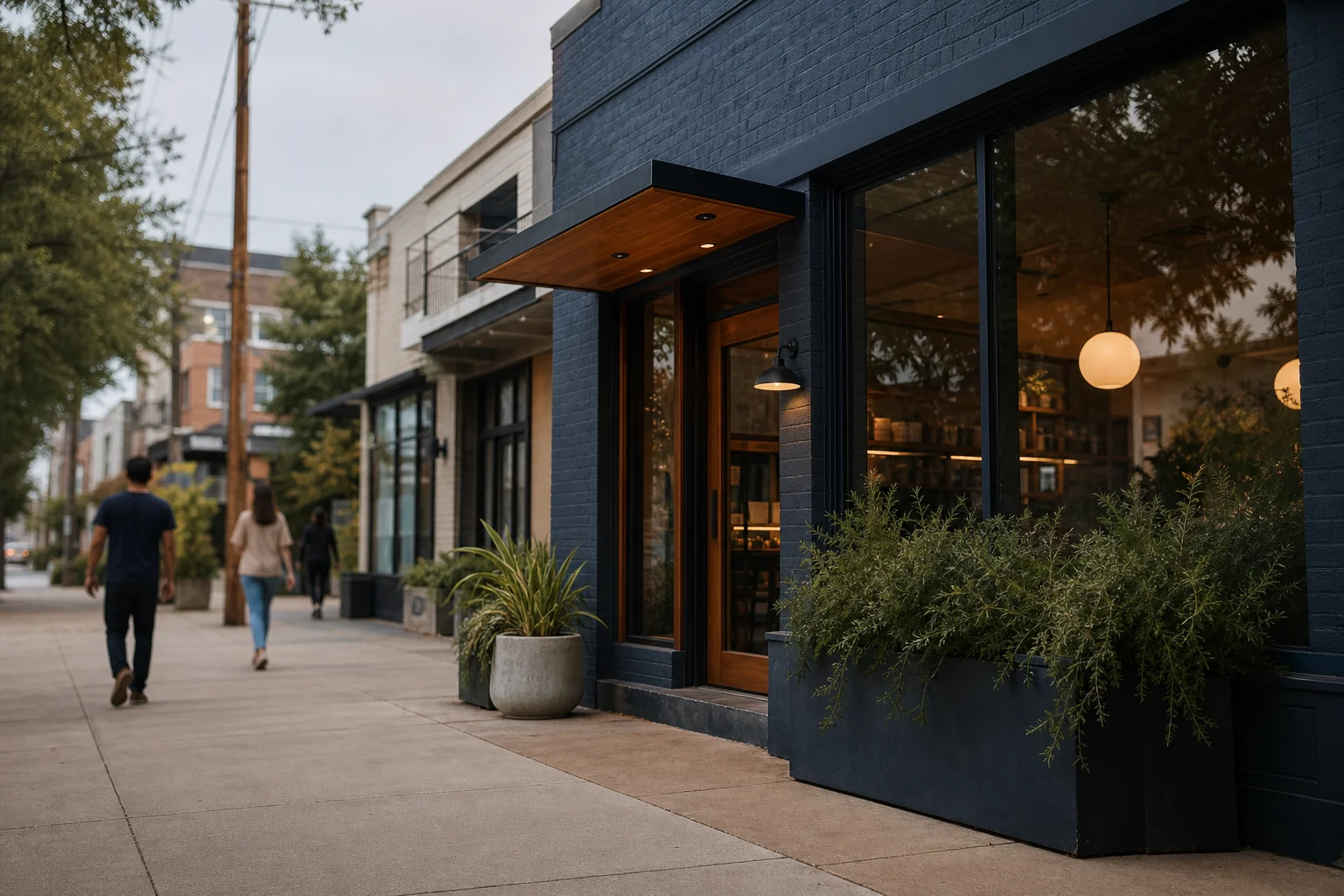
Main startup cost categories
When planning to open an ice cream shop in Houston, several key cost categories require consideration. These include rent and lease assumptions, buildout and equipment costs, payroll expenses, opening inventory, permits and licenses, and cash reserves for the initial launch period. Each category presents unique challenges and opportunities that impact your overall investment. Understanding these categories helps you allocate resources effectively and avoid common pitfalls that could derail your business before it even opens.
Rent and lease assumptions in Houston
Location significantly impacts both your customer base and your bottom line. Houston offers several neighborhoods with varying rent levels and market conditions. Based on Locavisor neighborhood scoring, Spring Branch ranks as the best fit with an overall score of 6.1/10. Spring Branch ranks #1 on rent fit and competition fit — zero direct ice-cream competitors within the search radius, and rent lands in the $30-50/sqft NNN neighborhood corridor range. Walkability is above-average for Houston, and the CITYCENTRE + Town & Country Village anchors nearby pull afternoon foot traffic.
Greenway Plaza / Upper Kirby also scores 6.1/10, making it another strong option. This area scores well on daytime demand — office density is strong, and the area pulls a dense lunch crowd from the Greenway Plaza office complex and nearby medical/co-working hubs. Rent runs roughly $30-50/sqft NNN, workable for medium budget.
River Oaks rounds out the top three with a 6.0/10 score. River Oaks ranks #3 overall with strong demand (4.5) and customer match (4.4), but rent fit drops to 6.3 — expect roughly $45-70/sqft NNN, pushing the upper edge of medium budget. The area has zero ice-cream competitors and strong daytime office density plus tourist draw from River Oaks District and the Museum of Fine Arts.
Houston's market temperature is mixed, with medium competition density across these neighborhoods. The rent level is generally low compared to other major cities, which helps reduce one of the largest startup cost components. When evaluating potential locations, consider not just the rent but also foot traffic patterns, nearby attractions, and the absence of direct competitors.
Buildout, equipment, payroll, opening inventory, permits, and cash reserve
The physical space for your ice cream shop requires significant investment beyond just the rent. Buildout costs depend on the condition of the space and your specific design requirements. Equipment represents another major expense, including ice cream machines, display cases, freezers, POS systems, and furniture. Each neighborhood may have different requirements or restrictions that impact these costs.
Payroll expenses include not just your staff's salaries but also payroll taxes, benefits, and training costs. Houston's labor market conditions will influence these expenses. Opening inventory covers your initial supply of ingredients, packaging, and merchandise. The amount needed depends on your menu offerings and expected sales volume.
Permits and licenses are essential legal requirements that vary by location within Houston. These may include health department permits, food handler certifications, and business licenses. The process can be time-consuming, so factor this into your timeline. Cash reserves are critical for covering expenses before your business becomes profitable. These reserves should cover at least several months of operating costs.

Lean vs moderate vs generous launch budgets
Founders approach ice cream shop launches with varying budget philosophies. A lean budget focuses on essential equipment and minimal buildout, potentially limiting your initial capacity and aesthetic appeal. A moderate budget allows for quality equipment and a more inviting space without excessive customization. A generous budget enables premium equipment, extensive buildout, and significant marketing investment.
Your budget approach should align with your long-term vision and financial capacity. In Houston's mixed market temperature, a moderate budget often provides the best balance between investment and flexibility. Consider that neighborhoods like Spring Branch and Greenway Plaza / Upper Kirby offer more budget-friendly rent options, allowing for greater flexibility in other areas. River Oaks, while more expensive, may justify the investment through higher customer spending potential.
What to validate before spending money
Before committing significant funds to your ice cream shop venture, thorough validation is essential. Lease assumptions should be carefully reviewed, including not just the base rent but also common area maintenance fees, lease terms, and renewal options. Buildout scope needs validation against local building codes and your specific operational requirements.
Equipment requirements should be based on your actual menu and production needs, not just industry standards. Consider both initial purchase costs and ongoing maintenance expenses. Your payroll model should reflect realistic staffing needs based on expected customer traffic and service requirements.
Opening inventory levels should align with your sales projections and supplier lead times. Permits and licenses require early application to avoid delays in your opening timeline. Finally, maintain adequate cash reserves to cover unexpected expenses and slow periods during your initial operations.
Local professional review is highly recommended before finalizing your plans. This may include consultations with commercial real estate agents, restaurant equipment suppliers, and legal professionals familiar with Houston's business regulations. Their insights can help you identify potential cost traps and optimize your investment strategy.
FAQ
How much does it cost to open An Ice Cream Shop in Houston?
The exact total cost to open an ice cream shop in Houston cannot be estimated from the provided data. Startup costs vary significantly based on multiple factors including location size, equipment quality, buildout requirements, and local regulations. To determine your specific investment needs, validate your lease assumptions, buildout scope, equipment requirements, payroll model, opening inventory levels, permit costs, and maintain adequate cash reserves. Consider consulting with local professionals who can provide more accurate estimates based on your specific business plan and target neighborhood.
Last reviewed: 2026-05-08
Sources: U.S. Census Bureau ACS, LEHD LODES, Google Places, OpenStreetMap, Locavisor neighborhood scoring.
Methodology: Locavisor scores neighborhoods across demand, competition fit, rent fit, accessibility, and customer match. Scores reflect a snapshot of recent data and should be combined with on-the-ground research before lease decisions.
Disclaimer: This article provides informational content only and does not constitute legal, financial, accounting, or real-estate advice. Verify lease terms, licensing, local regulations, costs, and professional requirements with qualified local professionals before making business decisions.
Free preview shows top 3 neighborhoods. Full $9.99 report covers all 10 areas with personalized scoring + 90-day check-ins.
Informational only. Verify lease, licensing, local regulations, costs, and professional requirements with qualified local professionals.