Minneapolis, MN · ice cream shop
Cost to open an ice cream shop in Minneapolis
Opening an ice cream shop in Minneapolis presents unique cost considerations shaped by the city's distinct neighborhoods, local competition, and specific regulatory environment. The Twin Cities market offers both opportunities and challenges for entrepreneurs looking to enter the frozen dessert business, with costs varying significantly based on location, size, and operational model. Understanding these factors is crucial for developing an accurate startup budget that accounts for Minneapolis's specific market dynamics.
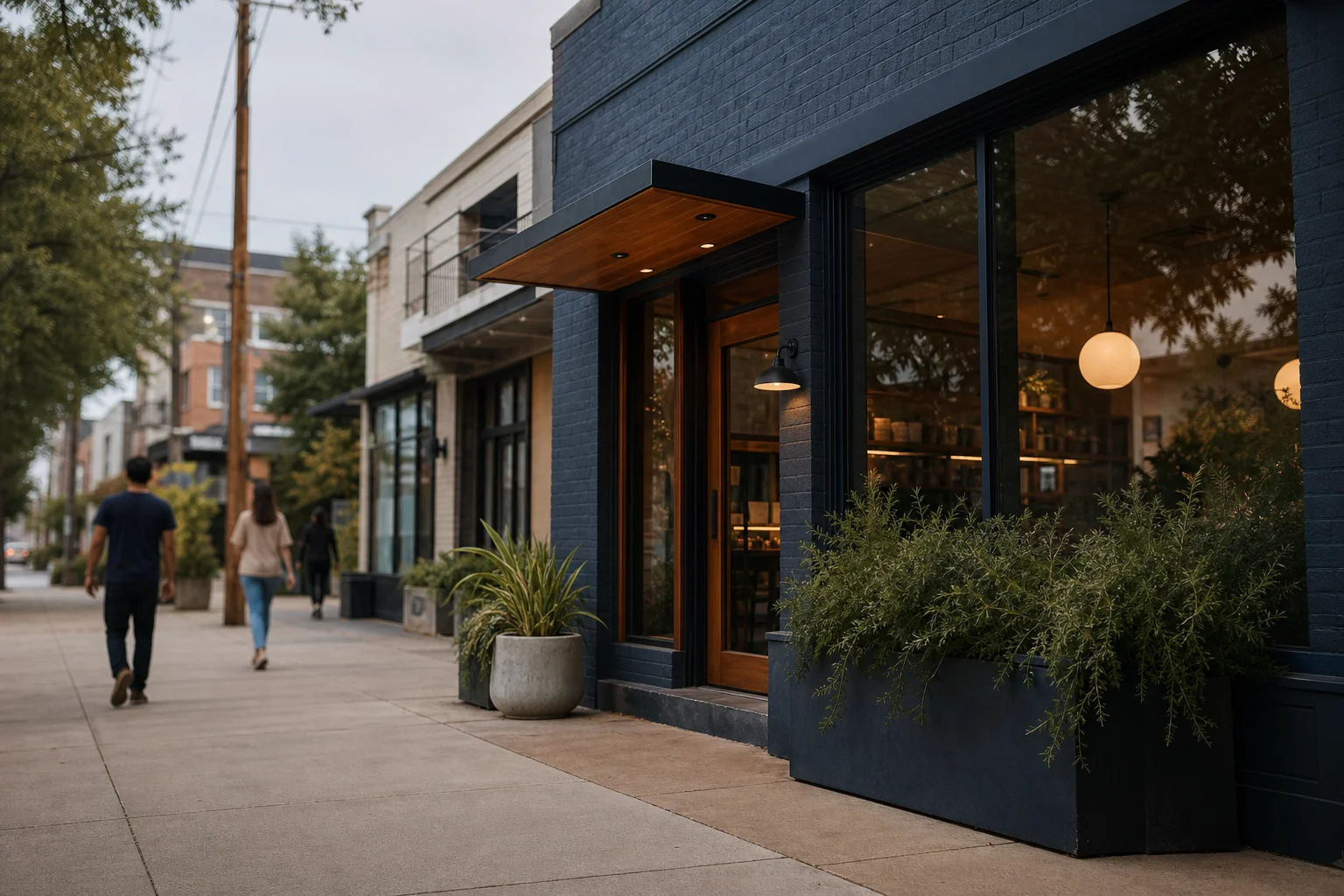
What does it cost to open a ice cream shop in Minneapolis?
The total investment required to launch an ice cream shop in Minneapolis depends on multiple factors including location, size, equipment needs, and operational complexity. Unlike many other food businesses, ice cream shops require specialized refrigeration equipment, consistent supply chains for dairy products, and often a visible storefront to attract foot traffic. The Minneapolis market, with its distinct seasons and strong local food culture, creates specific cost pressures that entrepreneurs must account for when planning their startup budget.
Major cost categories
Lease deposit and first/last month
Your largest upfront cost will typically be securing a commercial lease in one of Minneapolis's prime neighborhoods. The city's commercial real estate market shows significant variation in rental rates across different areas. According to Locavisor research, top neighborhoods for ice cream shops like Lowry Hill, Stadium Village, and Cedar-Riverside all fall within the $13-$33/sqft/yr NNN (triple net) rent band. This means you'll need to budget for security deposits, first and last month's rent, and potentially additional funds for lease negotiation and legal fees.
Tenant improvements and buildout
Once you've secured a lease, you'll need to budget for tenant improvements and buildout. This includes everything from installing specialized ice cream equipment to creating a welcoming customer experience. The condition of your chosen space will significantly impact these costs - a space with existing refrigeration infrastructure will be less expensive to modify than one requiring complete HVAC and electrical upgrades.
Ice cream shops often require specific design elements like display cases, dipping cabinets, and temperature-controlled storage areas. These specialized requirements can increase buildout costs compared to standard retail spaces. You'll also need to consider compliance with health department regulations, which may require specific flooring, wall materials, and ventilation systems. The Minneapolis health department has particular requirements for food service establishments that must be factored into your buildout budget.
Equipment and furniture
The equipment needed for an ice cream shop represents a substantial investment. Essential items include display freezers, dipping cabinets, soft-serve machines, and potentially a batch freezer if you plan to make your own ice cream. You'll also need POS systems, seating, tables, and potentially outdoor furniture if your location allows.
The quality and capacity of your equipment will directly impact both your initial investment and ongoing operational costs. Energy-efficient models may have higher upfront costs but can save money on utility bills over time. Consider whether you'll purchase new or used equipment, as this decision can significantly affect your budget. Many successful Minneapolis ice cream shops invest in high-quality equipment that can withstand the city's extreme temperature variations.
Licenses, permits, and insurance
Operating an ice cream shop in Minneapolis requires multiple licenses and permits from city and state agencies. You'll need a food service license from the Minnesota Department of Health, potentially a liquor license if you plan to serve alcoholic ice cream treats, and various city permits for signage, construction, and operation.
Insurance is another critical cost category. General liability insurance, property insurance, and workers' compensation (if you have employees) are standard requirements. The specific coverage and costs will depend on your shop's size, location, and operational details. Minneapolis businesses must also consider additional coverage for potential weather-related disruptions common in the region.
Initial inventory or supplies
Your initial inventory will include ice cream products, cones, toppings, packaging materials, and cleaning supplies. The variety and quality of your offerings will impact these costs. If you plan to make your own ice cream, you'll need to budget for ingredients, flavor development, and testing.
Consider the seasonality of your business when planning inventory. Minneapolis has distinct seasons, with summer being peak ice cream season and winter presenting challenges for foot traffic. You may need to adjust your inventory strategy accordingly or develop seasonal offerings to maintain customer interest year-round. Many successful local shops create unique Minnesota-themed flavors that resonate with the community.
Pre-opening payroll and training
If you plan to hire staff, you'll need to budget for pre-opening payroll and training. This includes costs for recruiting, hiring, and training employees before your grand opening. The number of staff you'll need will depend on your shop's size, hours of operation, and service model.
Training costs can be significant, especially if you're developing proprietary recipes or service standards. You'll need to ensure your staff understands food safety protocols, customer service expectations, and operational procedures. Minneapolis's competitive labor market may also affect your staffing budget, particularly in neighborhoods near universities.
Working capital reserve
A working capital reserve is essential for covering operating expenses during your first few months of business. Many new restaurants experience slower-than-expected revenue in their early months, making a reserve fund critical for sustainability. This reserve should cover rent, payroll, utilities, and inventory costs for at least three to six months.
How Minneapolis compares to other MN markets
Minneapolis's commercial real estate market differs significantly from other Minnesota cities. The $13-$33/sqft/yr NNN rent band in top neighborhoods reflects a competitive market with strong demand from both local businesses and national chains. Compared to smaller Minnesota cities, Minneapolis offers greater foot traffic and customer density but at higher rental costs.
The city's diverse neighborhoods create different cost profiles. For example, Dinkytown's proximity to the University of Minnesota creates a student-focused market with different pricing expectations than the more affluent Lowry Hill area. Understanding these neighborhood differences is crucial for accurate cost planning and market positioning.
What competition looks like in the top areas
The Minneapolis ice cream market includes both established players and new entrants. Sebastian Joe's Ice Cream Cafe in Lowry Hill represents one of the area's well-established competitors, with a strong reputation and significant customer following. Understanding the competitive landscape in your target neighborhood is essential for pricing and differentiation strategies.
In neighborhoods like Stadium Village and Cedar-Riverside, you'll find different customer demographics and competitive dynamics. Stadium Village's proximity to the University of Minnesota creates a market focused on students and young professionals, while Cedar-Riverside serves a more diverse community with different taste preferences and price sensitivities. Each area requires a tailored approach to product offerings and marketing.
Common cost overrun patterns
Many ice cream shop startups experience cost overruns in specific areas. Buildout costs often exceed initial estimates due to unexpected structural issues or the need for specialized equipment installation. Equipment purchases can also run over budget, especially when replacing or upgrading existing infrastructure.
Another common overrun area is regulatory compliance. Health department requirements, building code updates, and accessibility standards can add unexpected costs to your project. Working with experienced contractors and consultants who understand local regulations can help mitigate these risks. Minneapolis's specific climate considerations may also lead to additional infrastructure costs for temperature control and weather protection.
How to validate your number before committing capital
Before committing significant capital, validate your cost assumptions through thorough research. Obtain multiple quotes for equipment, buildout, and professional services. Research local market rates for comparable spaces in your target neighborhood.
Visit potential locations during different times of day and days of the week to assess foot traffic and customer demographics. Talk to other local business owners about their experiences with landlords, contractors, and regulatory processes. Consider hiring a commercial real estate agent with experience in food service locations to help you navigate the market.
| Cost Category | Key Considerations in Minneapolis | Validation Steps |
|---|---|---|
| Lease Costs | $13-$33/sqft/yr NNN rent band across top neighborhoods | Obtain 3-5 lease quotes in target area |
| Buildout | Specialized refrigeration needs, health department compliance | Get detailed contractor bids |
| Equipment | Ice cream-specific machinery, energy efficiency | Compare new vs. used equipment options |
| Permits | City and state food service licenses, signage permits | Consult with local business advisor |
| Inventory | Seasonal demand variations, local taste preferences | Research local supplier costs |
| Staffing | Minimum wage requirements, student labor pool | Calculate labor costs for different scenarios |

FAQ
What are the best neighborhoods in Minneapolis for an ice cream shop?
According to Locavisor research, the top neighborhoods for ice cream shops in Minneapolis are Lowry Hill (score 6.4/10), Stadium Village (6.2/10), and Cedar-Riverside (6.2/10). These areas offer strong foot traffic, diverse customer bases, and fall within the $13-$33/sqft/yr NNN rent band. Each neighborhood has unique characteristics - Lowry Hill attracts more affluent customers, Stadium Village serves students and young professionals, and Cedar-Riverside offers a diverse community demographic.
How does Minneapolis's climate affect ice cream shop costs?
Minneapolis's distinct seasons create both opportunities and challenges for ice cream businesses. Summer months bring high demand but require significant cooling costs. Winter months may see reduced foot traffic, necessitating creative marketing and potentially seasonal offerings. You'll need to budget for climate control systems that can handle extreme temperature variations and potentially develop indoor seating or delivery options for colder months.
What kind of competition should I expect in Minneapolis?
The Minneapolis ice cream market includes established players like Sebastian Joe's Ice Cream Cafe in Lowry Hill. Competition varies by neighborhood - areas near universities may have more student-focused options, while affluent neighborhoods might feature higher-end gelato shops. Understanding local taste preferences and pricing expectations is crucial for positioning your shop effectively.
Last reviewed: 2026-05-30
Sources: U.S. Census Bureau ACS, LEHD LODES, Google Places, OpenStreetMap, Locavisor neighborhood scoring.
Methodology: Locavisor scores neighborhoods across demand, competition fit, rent fit, accessibility, and customer match. Scores reflect a snapshot of recent data and should be combined with on-the-ground research before lease decisions.
Disclaimer: This article provides informational content only and does not constitute legal, financial, accounting, or real-estate advice. Verify lease terms, licensing, local regulations, costs, and professional requirements with qualified local professionals before making business decisions.
Free preview shows top 3 neighborhoods. Full $9.99 report covers all 10 areas with personalized scoring + 90-day check-ins.
Informational only. Verify lease, licensing, local regulations, costs, and professional requirements with qualified local professionals.