New Orleans, LA · ice cream shop
Cost to open an ice cream shop in New Orleans
The cost to open an ice cream shop in New Orleans depends heavily on location, size, and operational model. New Orleans presents unique opportunities and challenges for ice cream shop entrepreneurs, with its dense tourist areas, university populations, and established food culture. The city's historic neighborhoods offer different cost structures and customer demographics, making location selection a critical factor in your financial planning. Understanding the specific cost pressures in New Orleans-from rent variations across neighborhoods to the competitive landscape-helps founders make informed decisions about where and how to launch their ice cream business.
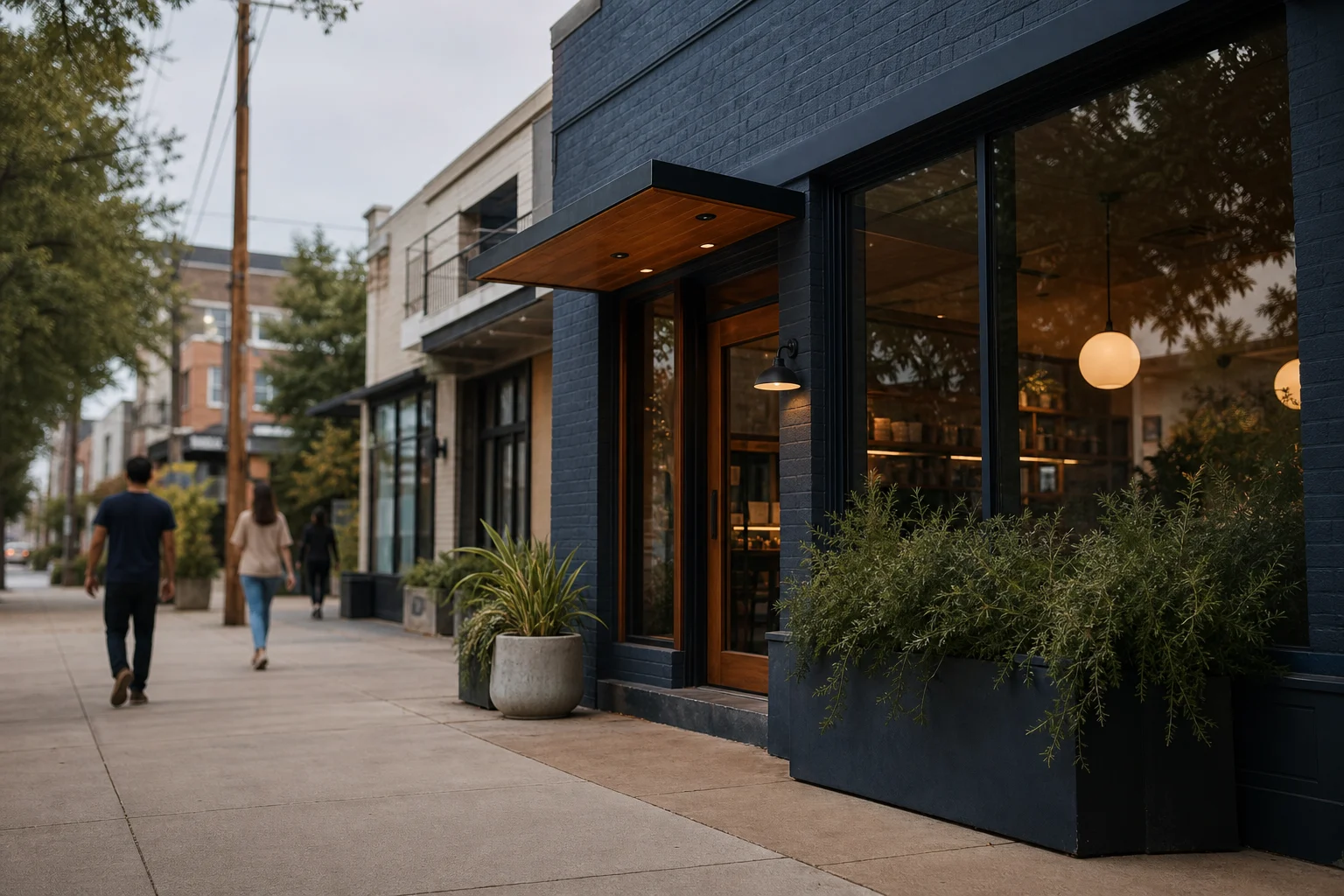
What does it cost to open a ice cream shop in New Orleans?
The specific cost to open an ice cream shop in New Orleans varies significantly based on several key factors. Unlike many other cities, New Orleans has distinct neighborhood characteristics that directly impact startup expenses. The French Quarter, Tulane/Loyola area, CBD/Warehouse District, Marigny, and Magazine Street each present different rent structures, customer demographics, and competitive landscapes. Understanding these variations is essential before committing capital to your venture.
New Orleans's top neighborhoods for ice cream shops, according to Locavisor scoring, include the French Quarter (5.3/10), Tulane/Loyola Area (5.3/10), CBD/Warehouse District (5.0/10), Marigny (5.0/10), and Magazine Street (4.6/10). Each of these areas has rent bands typically ranging from $12-$32/sqft/yr NNN, though actual costs can vary based on specific locations and building conditions. The French Quarter and Tulane/Loyola Area score highest for ice cream shop viability, reflecting their high foot traffic and customer density.
Major cost categories
Lease deposit and first/last month
Your lease deposit and first/last month's rent represent one of the largest upfront costs when opening an ice cream shop in New Orleans. The deposit typically ranges from one to three months' rent, while first and last month payments are standard requirements. In New Orleans's prime neighborhoods, these costs can be substantial due to the city's desirable locations and high demand for commercial space.
The French Quarter, with its tourist-centric location and historic charm, commands premium rents within the $12-$32/sqft/yr NNN range. This neighborhood's proximity to major attractions like Canal Place and the French Market makes it attractive but also increases competition and rental costs. The Tulane/Loyola Area, while slightly less expensive, still falls within the same rent band and benefits from the steady student population and nearby office workers.
Tenant improvements and buildout
Tenant improvements and buildout costs vary widely depending on the condition of the space you lease. In historic New Orleans neighborhoods, older buildings may require significant electrical, plumbing, and HVAC upgrades to meet health code requirements for food service operations. The French Quarter, with its historic preservation guidelines, often presents additional buildout complexities compared to more modern areas like the CBD.
Buildout costs in New Orleans can be particularly challenging in historic districts where modifications must comply with preservation standards. The Marigny, known for its residential character and creative businesses, may offer more flexible buildout options but still requires compliance with city regulations. Understanding these neighborhood-specific requirements helps founders budget appropriately and avoid unexpected expenses.
Equipment and furniture
Ice cream shop equipment represents a major capital expenditure. This includes commercial freezers, display cases, soft-serve machines, scooping stations, and POS systems. Furniture requirements typically include customer seating, tables, chairs, and potentially outdoor patio furniture in neighborhoods like Magazine Street where al fresco dining is popular.
The type and quality of equipment you choose will significantly impact your startup costs. High-volume locations like the French Quarter may justify more robust, commercial-grade equipment, while neighborhood spots might opt for more cost-effective solutions. New Orleans's warm climate also means considering efficient refrigeration systems to maintain product quality in humid conditions.
Licenses, permits, and insurance
New Orleans requires specific licenses and permits for food service businesses. These include health department permits, business licenses, and potentially sidewalk café permits if you plan outdoor seating. Insurance costs should cover general liability, property damage, and workers' compensation, with premiums varying based on your location and operational scale.
The city's health department has specific requirements for food preparation and storage that ice cream shop owners must meet. Permits may take several weeks to obtain, so factoring in this timeline is important for your opening schedule. Insurance costs in high-traffic areas like the French Quarter may be higher due to increased liability risks.
Initial inventory or supplies
Your initial inventory of ice cream, toppings, cones, cups, and packaging materials represents a significant upfront cost. The variety of flavors and specialty items you choose to offer will directly impact this expense. New Orleans's food culture may encourage more unique, locally-inspired flavors that could affect your initial inventory investment.
Consider the local preferences when selecting your product mix. New Orleans's appreciation for quality ingredients and unique flavor combinations means investing in premium products may be necessary to compete effectively. The city's year-round warm weather also means maintaining adequate inventory levels to meet consistent demand.
Pre-opening payroll and training
Hiring and training staff before opening requires budgeting for wages during the setup period. New Orleans's competitive restaurant labor market means you'll need to offer competitive wages to attract qualified employees, particularly in areas with high foot traffic like the French Quarter.
Training costs include not just wages but also the time investment in developing standard operating procedures and ensuring consistent product quality. The city's diverse culinary scene means finding staff with relevant experience may require competitive compensation packages.
Working capital reserve
A working capital reserve of three to six months' operating expenses is crucial for weathering the initial slow periods common in new food businesses. This reserve helps cover rent, payroll, and inventory costs before your ice cream shop establishes a steady customer base.
New Orleans's seasonal tourism patterns mean that ice cream shops may experience significant fluctuations in customer traffic throughout the year. A robust working capital reserve helps manage these variations and ensures your business can sustain through slower periods.
How New Orleans compares to other LA markets
New Orleans presents a different cost structure compared to other Louisiana markets. While rent bands in New Orleans's top neighborhoods typically fall within $12-$32/sqft/yr NNN, other Louisiana cities may offer more affordable commercial space. The city's tourism-driven economy, however, can provide higher revenue potential that may offset these costs for well-positioned ice cream shops.
Compared to Baton Rouge or Lafayette, New Orleans's commercial rents are generally higher but come with greater customer density and tourism revenue opportunities. The city's unique cultural appeal can justify premium pricing for ice cream products, potentially improving profit margins for well-positioned businesses.
What competition looks like in the top areas
New Orleans's top neighborhoods for ice cream shops each have distinct competitive landscapes. The French Quarter, with its high tourist traffic, features established players like Kilwins Ice Cream - Chocolate - Fudge and O.K. Ice Cream, both with strong ratings and significant review counts. The Tulane/Loyola area, with its student population, includes newer entrants like Vice Cream, which has built a 5-star reputation with a more focused customer base. Understanding this competitive environment helps inform your pricing, product differentiation, and marketing strategies.
The French Quarter competition includes Kilwins Ice Cream - Chocolate - Fudge with 4.5 stars from 1,067 reviews and O.K. Ice Cream with 4.7 stars from 71 reviews, indicating established customer bases and potentially higher customer expectations. In contrast, the Tulane/Loyola Area's Vice Cream has built a 5-star reputation with just 2 reviews, suggesting a newer but highly regarded option in that market segment.
| Neighborhood | Key Competitors | Average Rating | Review Count | Rent Band |
|---|---|---|---|---|
| French Quarter | Kilwins Ice Cream, O.K. Ice Cream | 4.6 | 1,138 | $12-$32/sqft/yr NNN |
| Tulane/Loyola Area | Vice Cream | 5.0 | 2 | $12-$32/sqft/yr NNN |
| CBD/Warehouse District | - | - | - | $12-$32/sqft/yr NNN |
| Marigny | - | - | - | $12-$32/sqft/yr NNN |
| Magazine Street | - | - | - | $12-$32/sqft/yr NNN |
Common cost overrun patterns
Several common cost overruns can impact your ice cream shop startup budget in New Orleans. Unforeseen buildout expenses in historic buildings, particularly in the French Quarter and Marigny, often exceed initial estimates due to preservation requirements and older infrastructure. Equipment delays can extend your pre-opening timeline, increasing temporary expenses. Inventory miscalculations, especially with perishable items like ice cream, can lead to waste and additional replenishment costs. Understanding these patterns helps you build contingency into your budget.
New Orleans's unique environmental factors, including humidity and potential hurricane-related disruptions, may also create unexpected costs. Business interruption insurance and proper inventory management become particularly important in this market. Additionally, the city's event-driven tourism can create sudden spikes in demand that require flexible staffing and inventory models.
How to validate your number before committing capital
Validating your cost assumptions is critical before proceeding with your ice cream shop venture in New Orleans. Research actual lease rates in your target neighborhood by contacting local commercial real estate brokers. Obtain multiple equipment quotes to understand market pricing. Consult with local restaurant owners or industry associations about typical operating costs. Create detailed pro forma financial statements that account for the specific dynamics of New Orleans's market. Consider hiring a local restaurant consultant who understands the city's unique business environment.
Visit potential locations during different times of day and week to assess foot traffic and customer demographics. Talk to neighboring businesses about their experiences with the local market and any neighborhood-specific challenges. Research local suppliers for ice cream, toppings, and other supplies to understand pricing and availability. These validation steps help ensure your cost assumptions align with real-world conditions in New Orleans.

FAQ
What are the best neighborhoods in New Orleans to open an ice cream shop?
Based on Locavisor scoring, the top neighborhoods for ice cream shops in New Orleans are the French Quarter (5.3/10), Tulane/Loyola Area (5.3/10), CBD/Warehouse District (5.0/10), Marigny (5.0/10), and Magazine Street (4.6/10). Each offers different customer demographics and rent structures within the $12-$32/sqft/yr NNN range. The French Quarter and Tulane/Loyola Area score highest due to their high foot traffic and customer density.
How does New Orleans's cost structure compare to other major cities?
New Orleans's commercial rent bands ($12-$32/sqft/yr NNN) are generally more affordable than major coastal cities like New York or San Francisco but may be higher than other Louisiana markets. The city's tourism-driven economy can provide revenue opportunities that offset these costs for well-positioned ice cream shops, particularly in high-traffic areas.
What permits do I need to open an ice cream shop in New Orleans?
You'll need health department permits, business licenses, and potentially sidewalk café permits if offering outdoor seating. Contact the New Orleans Health Department and City Hall for specific requirements based on your location and operational model. Additional permits may be required depending on your chosen neighborhood and any historic preservation guidelines.
Last reviewed: 2026-05-30
Sources: U.S. Census Bureau ACS, LEHD LODES, Google Places, OpenStreetMap, Locavisor neighborhood scoring.
Methodology: Locavisor scores neighborhoods across demand, competition fit, rent fit, accessibility, and customer match. Scores reflect a snapshot of recent data and should be combined with on-the-ground research before lease decisions.
Disclaimer: This article provides informational content only and does not constitute legal, financial, accounting, or real-estate advice. Verify lease terms, licensing, local regulations, costs, and professional requirements with qualified local professionals before making business decisions.
Free preview shows top 3 neighborhoods. Full $9.99 report covers all 10 areas with personalized scoring + 90-day check-ins.
Informational only. Verify lease, licensing, local regulations, costs, and professional requirements with qualified local professionals.