Phoenix, AZ · ice cream shop
Cost to open an ice cream shop in Phoenix
Opening an ice cream shop in Phoenix requires careful planning of startup costs. The cost to open an ice cream shop in Phoenix varies based on location, size, and business model. Phoenix presents a mixed market temperature with medium competition density and low rent levels, making it an interesting market for new ice cream entrepreneurs. Before investing, founders need to understand the practical cost stack that will impact their business viability.
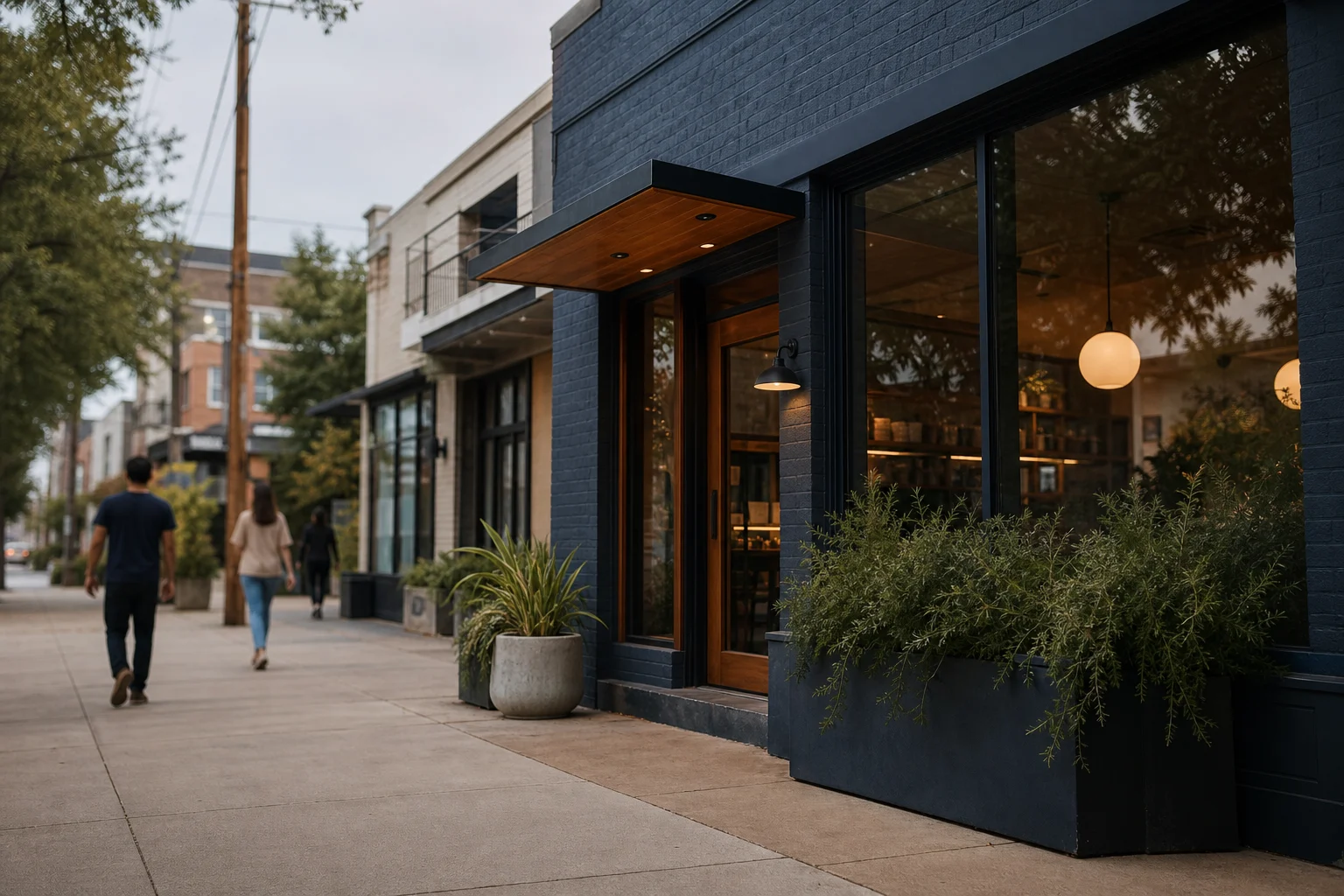
Main startup cost categories
The startup cost categories for an ice cream shop in Phoenix include rent and lease assumptions, buildout and equipment costs, payroll expenses, opening inventory, permits and licenses, and cash reserves. Each category carries different cost pressures depending on your chosen location and business model. Unlike many startup guides, this article focuses on qualitative cost planning rather than specific dollar amounts, helping founders validate their assumptions before committing capital.
Rent and lease assumptions in Phoenix
Phoenix offers low rent levels compared to other major markets, which significantly impacts your startup cost structure. When evaluating locations, consider the top three areas for ice cream shops based on Locavisor neighborhood scoring:
Roosevelt Row (6.8/10) — Roosevelt Row is the top-ranked area for a reason — near-ceiling walkability, strong evening and late-night daypart coverage, and a dense mix of arts-district foot traffic. Three existing ice cream shops within 700m (Melt Ice Cream Shop at 4.2★, Cold Stone Creamery at 3.8★, Fatty Daddy's at 4.0★) confirm dessert demand but also mean you're entering a competitive cluster.
Downtown Phoenix (6.4/10) — Downtown Phoenix is the primary CBD with strong daytime worker density (≈10,500 weekday lunch workers within 800m) and light rail access. The rent proxy is more favorable than Roosevelt Row — expect roughly $20-35/sqft NNN. Three ice cream competitors nearby (Cold Stone Creamery, Fatty Daddy's, Tipsy Scoop) plus Insomnia Cookies as adjacent dessert.
Tempe / ASU campus (6.2/10) — Tempe / ASU campus is the student-density leader — near-ceiling student index and daytime population, with Mill Avenue as a proven retail corridor. Salt & Straw (4.9★, 73 reviews) is the premium incumbent within 800m, and Insomnia Cookies adds adjacent dessert competition. The family index is near-zero — this is a young-adult and student play. Expect roughly $30-50/sqft NNN.
Each location presents different rent pressures and competitive dynamics. Roosevelt Row offers the highest walkability but faces the most competition. Downtown Phoenix provides strong daytime traffic with more favorable rent terms. Tempe/ASU campus targets a specific demographic with premium pricing potential but limited family appeal.
Buildout, equipment, payroll, opening inventory, permits, and cash reserve
Buildout costs will vary significantly based on your chosen location and existing conditions. Older spaces in Roosevelt Row may require more extensive renovation, while newer buildings in Downtown Phoenix might need less work. Equipment represents a substantial portion of startup costs, including ice cream machines, freezers, display cases, POS systems, and furniture.
Payroll expenses depend on your staffing model and operating hours. Ice cream shops typically require more staff during peak seasons and weekend evenings. Opening inventory costs include ingredients, packaging, and supplies needed for initial operations. Permits and licenses in Phoenix include health department approvals, food handler certifications, and business licenses.
Cash reserves are critical for covering unexpected expenses and sustaining operations during the initial ramp-up period. Phoenix's mixed market temperature means business performance may vary, requiring adequate runway to navigate early challenges.
Lean vs moderate vs generous launch budgets
Founders should consider different approaches to budgeting based on their risk tolerance and financial resources. A lean launch minimizes fixed costs by starting with a smaller footprint and basic equipment. This approach reduces initial investment but may limit growth potential.
A moderate launch balances cost considerations with business positioning, allowing for quality equipment and adequate staffing. This approach provides more flexibility in operations and customer experience.
A generous launch maximizes initial investment with premium equipment, extensive buildout, and robust staffing. This approach positions the business for immediate impact but requires significant capital and carries higher risk.
Each approach carries different cost pressures and potential returns. The optimal strategy depends on your specific circumstances, target market, and long-term vision.
What to validate before spending money
Before committing significant capital to your ice cream shop venture, validate these critical assumptions:
Lease assumptions: Confirm the actual rent terms, including square footage costs, lease length, renewal options, and common area maintenance fees. The rent proxy figures provided are estimates only.
Buildout scope: Assess the actual condition of your chosen space and obtain detailed quotes for necessary renovations. Hidden structural issues or outdated systems can significantly increase costs.
Equipment list: Research specific equipment needs and obtain multiple quotes. Consider both new and refurbished options to balance cost and reliability.
Payroll model: Analyze staffing requirements based on expected customer traffic and operating hours. Factor in payroll taxes, benefits, and training costs.
Opening inventory: Calculate initial inventory needs based on projected sales and supplier lead times. Consider storage requirements for perishable items.
Cash reserve: Determine adequate runway based on your burn rate and expected time to reach operational stability. Unexpected expenses are common in new ventures.
Local professional review: Engage local professionals including attorneys, accountants, and industry consultants familiar with Phoenix's business environment.

FAQ
How much does it cost to open An Ice Cream Shop in Phoenix?
The exact total cost to open an ice cream shop in Phoenix cannot be estimated from the provided data. Startup costs vary significantly based on location, size, equipment quality, buildout requirements, and business model. To determine your specific startup costs, validate these variables: actual lease terms and square footage costs, detailed buildout quotes for your specific space, equipment needs and pricing, staffing requirements and payroll expenses, initial inventory needs, permit and licensing fees, and adequate cash reserves for unexpected expenses and operational ramp-up. Phoenix's low rent levels provide a cost advantage, but competition density and market temperature factors must be carefully considered in your financial planning.
Last reviewed: 2026-05-08
Sources: U.S. Census Bureau ACS, LEHD LODES, Google Places, OpenStreetMap, Locavisor neighborhood scoring.
Methodology: Locavisor scores neighborhoods across demand, competition fit, rent fit, accessibility, and customer match. Scores reflect a snapshot of recent data and should be combined with on-the-ground research before lease decisions.
Disclaimer: This article provides informational content only and does not constitute legal, financial, accounting, or real-estate advice. Verify lease terms, licensing, local regulations, costs, and professional requirements with qualified local professionals before making business decisions.
Free preview shows top 3 neighborhoods. Full $9.99 report covers all 10 areas with personalized scoring + 90-day check-ins.
Informational only. Verify lease, licensing, local regulations, costs, and professional requirements with qualified local professionals.