San Antonio, TX · ice cream shop
Cost to open an ice cream shop in San Antonio
Opening an ice cream shop in San Antonio requires careful planning of startup costs across multiple categories. The cost to open an ice cream shop in San Antonio varies significantly based on location, size, and operational approach. San Antonio offers several promising neighborhoods for ice cream entrepreneurs, each with different rent levels, competition density, and market conditions.
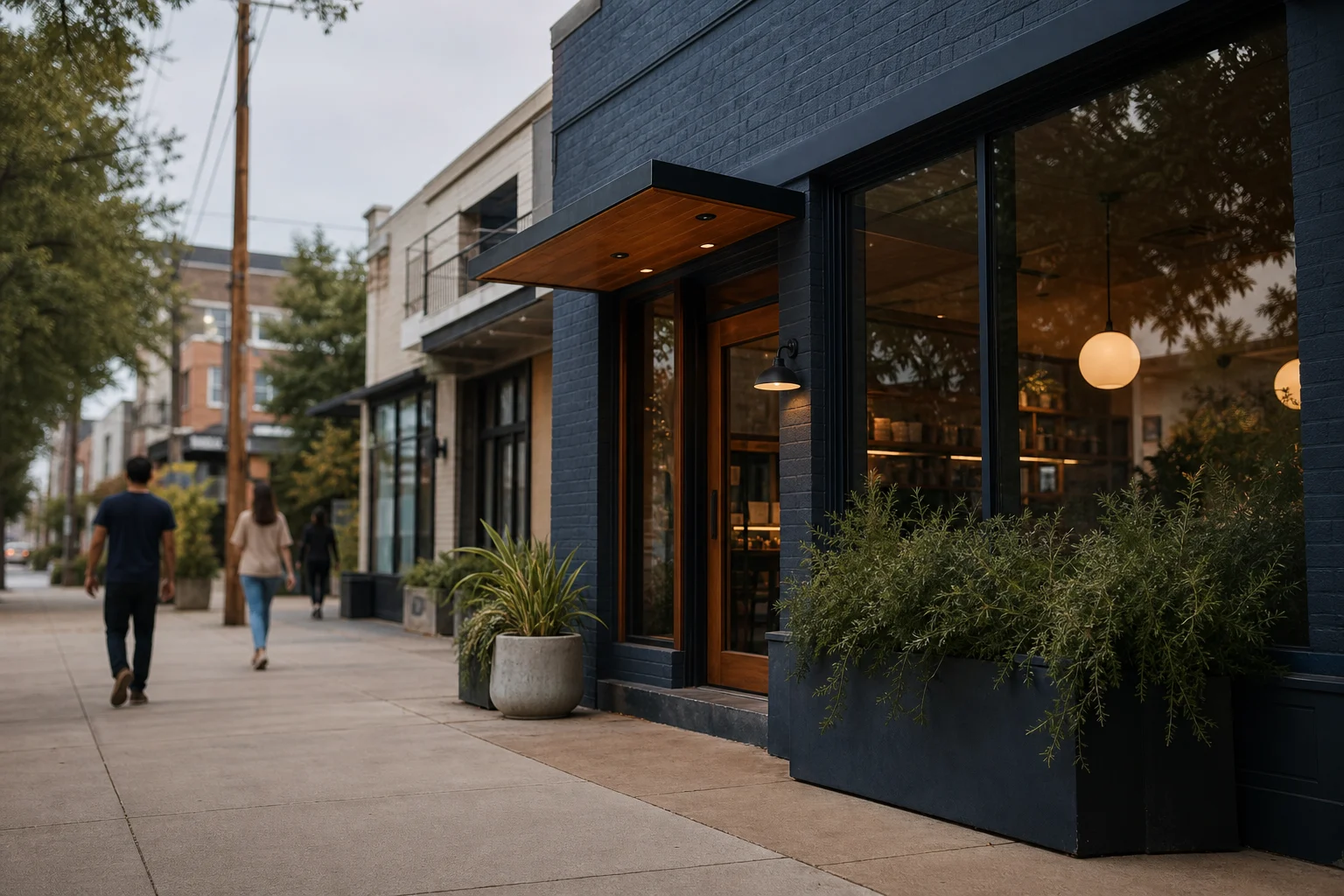
Main startup cost categories
The startup cost stack for an ice cream shop in San Antonio includes several key components. Rent forms the foundation of your cost structure, followed by buildout expenses to transform your space into a functional ice cream shop. Equipment represents a major investment, including ice cream machines, display cases, and refrigeration. Payroll costs for initial staffing, opening inventory of ingredients and supplies, permits and licenses, and a cash reserve for operations before reaching profitability complete the core cost categories.
Each category requires careful consideration based on your specific business model and target market. The positioning of your ice cream shop—whether as a premium artisanal destination or a quick-service neighborhood spot—will significantly impact your cost allocation across these categories.
Rent and lease assumptions in San Antonio
Rent levels vary across San Antonio's top neighborhoods for ice cream shops. Locavisor neighborhood scoring identifies three primary areas with different rent characteristics:
Southtown (6.4/10) offers the strongest positioning for an ice cream concept in San Antonio. S Alamo St delivers strong walkability, high daytime population density, and a lively evening scene near the Blue Star Arts Complex. The area has only one direct ice-cream competitor — Lick Honest Ice Creams (4.7★, 272 reviews) — and a dense coffee-shop ecosystem that proves locals spend on premium treats. Rent levels in Southtown are characterized as low.
Downtown San Antonio (6.3/10) puts you on the River Walk with massive tourist and office-worker traffic, but the ice-cream field is crowded — 9 direct competitors within 800m including Amorino Gelato (4.5★, 370 reviews), Kilwins (4.7★, 776 reviews), and Mr Ice Cream (4.3★, 614 reviews). Rent runs roughly $30-50/sqft NNN, a neighborhood-corridor rate that's workable for medium budget.
King William (6.0/10) is a Victorian historic district with upscale residential density and strong walkability, but it has zero direct ice-cream competitors — a genuine blue-ocean signal. The area sits adjacent to Southtown's Blue Star Arts Complex and draws from a moderate daytime worker pool. Rent runs roughly $20-35/sqft NNN, making this the most affordable corridor of the top-ranked areas.
Market temperature in San Antonio is mixed, with competition density rated as medium. These factors influence rent expectations and the overall cost structure for opening an ice cream shop in different neighborhoods.
Buildout, equipment, payroll, opening inventory, permits, and cash reserve
Buildout expenses depend on your space's condition and your brand's aesthetic requirements. A basic buildout might include flooring, lighting, counter space, and customer seating areas. The scope of your buildout should align with your positioning—whether you're creating a quick-service counter or a full-service ice cream parlor with seating.
Equipment represents a significant portion of startup costs. Essential equipment includes ice cream machines (batch freezers and pasteurizers), display cases, dipping wells, refrigeration units, POS systems, and any specialized equipment for your specific offerings. The scale of your equipment investment will depend on your production capacity and service model.
Payroll costs for initial staffing must cover your opening team, including scoopers, a manager, and potentially a part-time bookkeeper or marketing specialist. Consider the local labor market and competitive wages in San Antonio when budgeting for your initial team.
Opening inventory includes ingredients like milk, cream, sugar, and flavorings, as well as supplies like cups, spoons, napkins, and packaging. Your inventory requirements will depend on your expected sales volume and product mix.
Permits and licenses are essential legal requirements that vary by location within San Antonio. These may include health permits, food handler certifications, and business licenses. Factor in the time and potential costs associated with obtaining these necessary approvals.
A cash reserve is critical for covering expenses before your ice cream shop reaches profitability. This reserve should cover at least several months of operating expenses, including rent, utilities, payroll, and inventory replenishment.

Lean vs moderate vs generous launch budgets
Your approach to budget allocation can significantly impact your startup costs. A lean launch might focus on a smaller space with minimal seating, basic equipment, and a limited menu. This approach reduces initial investment but may constrain growth potential.
A moderate launch balances cost considerations with brand positioning. This might include a well-designed space with comfortable seating, quality equipment, and a diverse menu. This approach provides a solid foundation for building customer loyalty and scaling operations.
A generous launch maximizes brand impact with premium equipment, extensive seating, and a comprehensive marketing campaign. This approach requires higher initial investment but can establish your ice cream shop as a premium destination from day one.
The optimal budget approach depends on your specific business model, target market, and long-term vision. Consider your risk tolerance and growth plans when determining your budget allocation strategy.
What to validate before spending money
Before committing significant funds to your ice cream shop venture, validate several key assumptions. Lease assumptions require careful verification, including actual square footage measurements, quoted rent rates, and lease terms. Confirm that the space meets your operational needs and complies with health department requirements.
Buildout scope should align with your budget and timeline. Validate that your buildout plans meet local building codes and can be completed within your projected timeframe. Consider potential delays and budget overruns in your planning.
Equipment needs must match your production capacity and service model. Research equipment reliability and maintenance requirements before making purchases. Consider whether leasing equipment might provide more flexibility than purchasing.
Payroll models should reflect realistic staffing needs and local wage rates. Validate that your staffing projections align with expected customer traffic and service standards.
Opening inventory requirements should be based on realistic sales projections and supplier lead times. Consider storage capacity and inventory turnover rates when planning your initial inventory.
Cash reserve targets should cover at least several months of operating expenses. Validate that your reserve calculation includes all fixed and variable costs, with a buffer for unexpected expenses.
Finally, engage local professionals to review your plans. A commercial real estate broker can validate lease terms, a contractor can assess buildout costs, and an accountant can review your financial projections. These professional reviews can identify potential issues before they become costly problems.
FAQ
How much does it cost to open An Ice Cream Shop in San Antonio?
The exact total cost to open an ice cream shop in San Antonio cannot be estimated from the provided data. Startup costs vary significantly based on location, size, equipment quality, and operational approach. To determine your specific startup costs, validate lease terms, buildout requirements, equipment needs, staffing models, inventory requirements, and local permit costs. Consider engaging local professionals to review your specific plans and provide accurate cost estimates for your particular situation.
Last reviewed: 2026-05-08
Sources: U.S. Census Bureau ACS, LEHD LODES, Google Places, OpenStreetMap, Locavisor neighborhood scoring.
Methodology: Locavisor scores neighborhoods across demand, competition fit, rent fit, accessibility, and customer match. Scores reflect a snapshot of recent data and should be combined with on-the-ground research before lease decisions.
Disclaimer: This article provides informational content only and does not constitute legal, financial, accounting, or real-estate advice. Verify lease terms, licensing, local regulations, costs, and professional requirements with qualified local professionals before making business decisions.
Free preview shows top 3 neighborhoods. Full $9.99 report covers all 10 areas with personalized scoring + 90-day check-ins.
Informational only. Verify lease, licensing, local regulations, costs, and professional requirements with qualified local professionals.