Atlanta, GA · juice and smoothie bar
Cost to open a juice and smoothie bar in Atlanta
Opening a juice and smoothie bar in Atlanta requires careful planning of startup costs. The cost to open a juice and smoothie bar in Atlanta varies significantly based on location, size, and operational approach. Founders need to understand the practical cost stack before committing capital to this promising market with medium competition density.
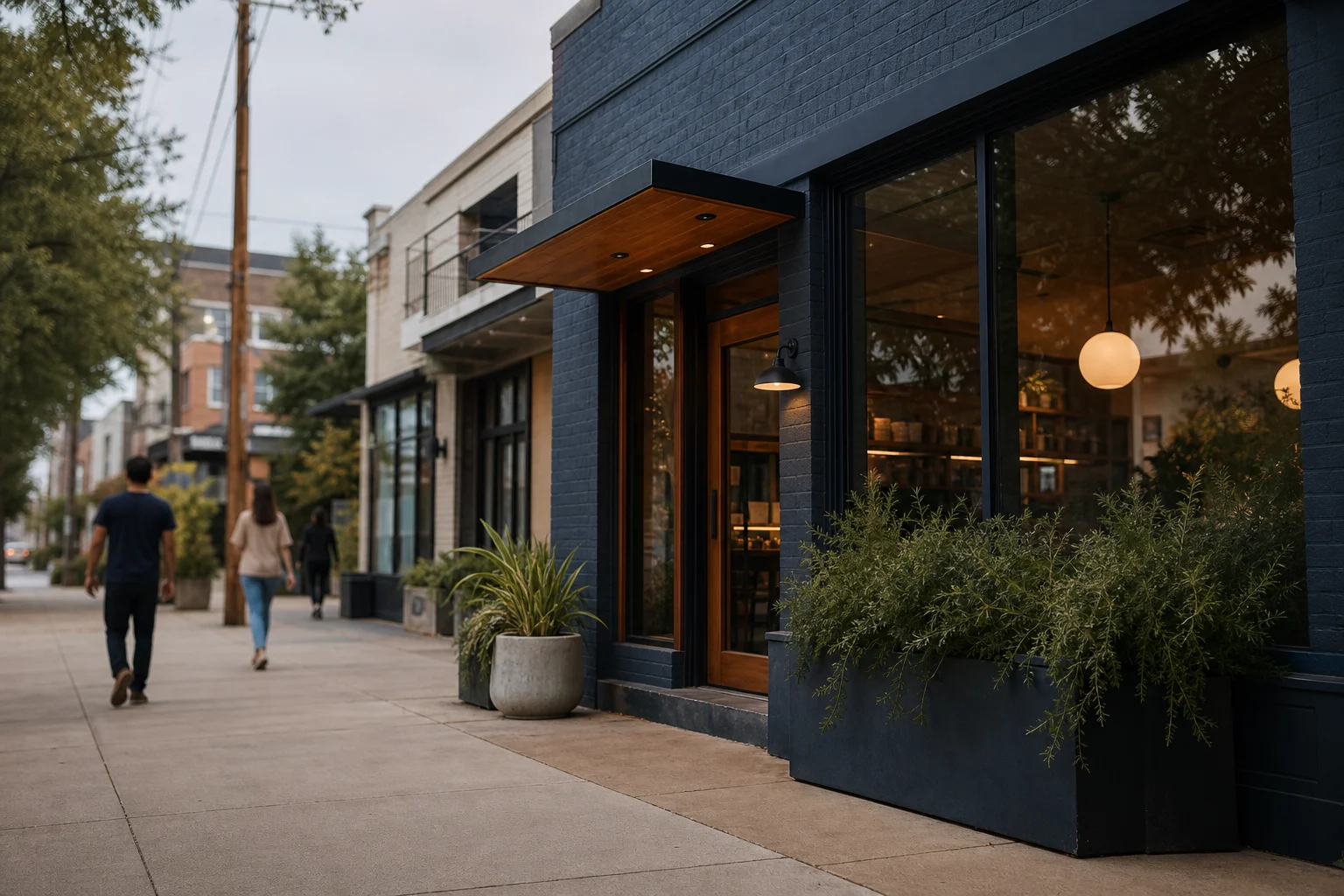
Main startup cost categories
The cost structure for a juice and smoothie bar in Atlanta includes several key components. Rent typically represents the largest fixed expense, followed by buildout, equipment, permits, hiring, and opening inventory. Each category requires careful consideration based on your specific business model and target location. Market temperature in Atlanta is promising, which supports the potential return on investment but also increases competition for prime locations.
Rent and lease assumptions in Atlanta
Rent levels in Atlanta's top areas for juice and smoothie bars vary significantly. Atlantic Station offers the best positioning with a score of 7.2/10 but comes with high rent pressure at roughly $90-140/sqft NNN. This location has zero direct competitors inside a master-planned mixed-use hub with 10,500+ weekday office workers within 800m and SCAD Atlanta nearby. Downtown Atlanta has a similar score of 6.8/10 with comparable rent levels of roughly $90-140/sqft NNN, but faces higher competition with five existing juice-smoothie operators within 800m. Smyrna/Vinings presents a more moderate rent option at roughly $45-70/sqft NNN with a score of 6.8/10, though it has lower walkability and weak transit connections.
Buildout, equipment, payroll, opening inventory, permits, and cash reserve
Buildout costs depend heavily on the condition of your space and your design vision. Equipment represents another significant investment, with commercial-grade blenders, juicers, refrigeration, and POS systems forming the backbone of your operations. Payroll expenses will vary based on staffing levels and wage rates in Atlanta's service industry. Opening inventory includes fresh produce, packaged goods, and supplies needed for your initial weeks of operation. Permits and licenses are essential legal requirements that vary by location and business type. A cash reserve provides crucial runway for unexpected expenses and slower-than-expected revenue growth during your launch phase.

Lean vs moderate vs generous launch budgets
Founders can approach their launch budget with different strategies. A lean budget focuses on essential equipment and minimal staffing, requiring more owner involvement but reducing initial capital requirements. A moderate budget allows for more comprehensive equipment, adequate staffing, and a polished customer experience. A generous budget supports premium buildout, top-tier equipment, larger staff, and substantial marketing to establish market presence quickly. The right approach depends on your available capital, business goals, and risk tolerance in Atlanta's competitive juice and smoothie market.
What to validate before spending money
Before committing significant capital, validate your lease assumptions by confirming square footage measurements, NNN terms, and renewal options. Review buildout scope with contractors to ensure accurate cost projections. Verify equipment needs with industry suppliers to avoid over-investing in unnecessary features. Test your payroll model by researching Atlanta's minimum wage rates and typical service industry compensation. Calculate opening inventory requirements based on projected sales volume and supplier lead times. Research permit requirements and timelines with Atlanta's regulatory authorities. Maintain a cash reserve that covers at least six months of operating expenses to weather unexpected challenges.
FAQ
How much does it cost to open A Juice and Smoothie Bar in Atlanta?
The exact total cost to open a juice and smoothie bar in Atlanta cannot be estimated from the provided data. Startup costs vary significantly based on location, size, equipment quality, staffing levels, and buildout requirements. Founders should validate their specific cost assumptions for rent, buildout, equipment, permits, payroll, opening inventory, and cash reserves before making financial commitments. Locavisor neighborhood scoring identifies Atlantic Station, Downtown, and Smyrna/Vinings as the top areas for consideration, each with different rent pressures and competitive dynamics that impact overall startup costs.
Last reviewed: 2026-05-08
Sources: U.S. Census Bureau ACS, LEHD LODES, Google Places, OpenStreetMap, Locavisor neighborhood scoring.
Methodology: Locavisor scores neighborhoods across demand, competition fit, rent fit, accessibility, and customer match. Scores reflect a snapshot of recent data and should be combined with on-the-ground research before lease decisions.
Disclaimer: This article provides informational content only and does not constitute legal, financial, accounting, or real-estate advice. Verify lease terms, licensing, local regulations, costs, and professional requirements with qualified local professionals before making business decisions.
Free preview shows top 3 neighborhoods. Full $9.99 report covers all 10 areas with personalized scoring + 90-day check-ins.
Informational only. Verify lease, licensing, local regulations, costs, and professional requirements with qualified local professionals.