Boston, MA · juice and smoothie bar
Cost to open a juice and smoothie bar in Boston
Opening a juice and smoothie bar in Boston presents unique cost considerations compared to other markets. The city's high real estate values, competitive food scene, and specific regulatory environment create distinct financial pressures for entrepreneurs. Boston's status as a major metropolitan area with high foot traffic and affluent demographics can justify premium pricing, but these same factors drive up operational costs significantly. Understanding the local market dynamics is essential before committing capital to a new venture.
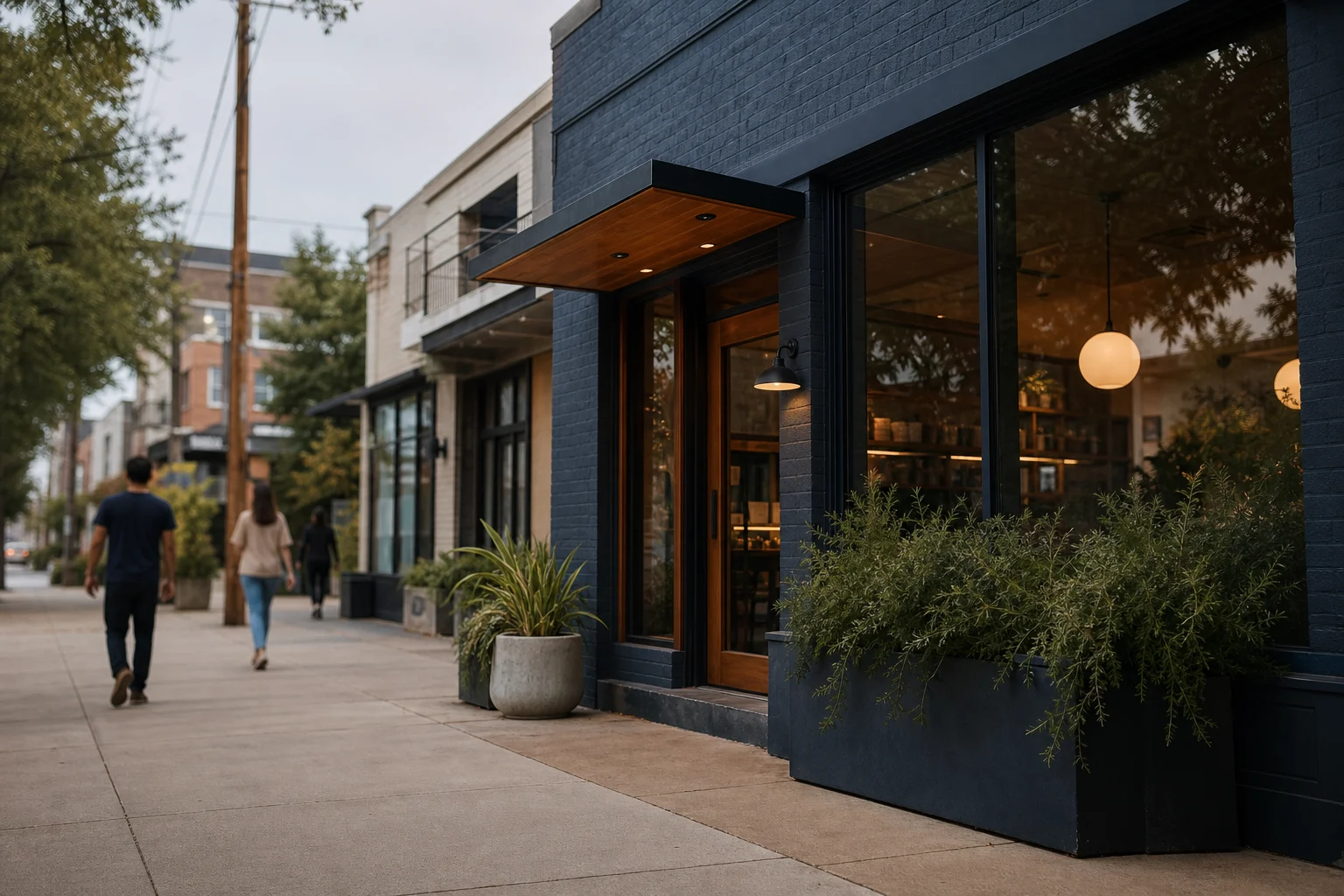
What does it cost to open a juice and smoothie bar in Boston?
The cost to open a juice and smoothie bar in Boston varies widely depending on location, size, and operational model. Unlike many other food service businesses, juice bars require specialized equipment for cold-pressed juicing, blenders, refrigeration, and often a clean, minimalist aesthetic that can increase buildout costs. Boston's real estate market, particularly in desirable neighborhoods, represents the single largest cost component for most juice bar operators. The city's competitive landscape, with established players like Mother Juice and Pressed Juicery, means new entrants must consider both startup expenses and ongoing operational costs to remain viable.
Major cost categories
Lease deposit and first/last month
Securing commercial space in Boston requires significant upfront capital for deposits and initial rent payments. The city's commercial real estate market is characterized by high demand and limited availability, particularly in prime neighborhoods. Lease terms typically require first and last month's rent plus a security deposit, which can represent a variable local timeline of rent. In Boston's most desirable areas, this can translate to substantial upfront costs that must be factored into your startup budget.
Tenant improvements and buildout
Juice and smoothie bars often require specialized buildouts to accommodate cold-pressed juicing equipment, refrigeration systems, and customer-facing service areas. Boston's older buildings may need significant electrical upgrades to support commercial kitchen equipment, and compliance with local health codes can add unexpected costs. The city's building department has specific requirements for food service establishments that must be met before opening, including proper ventilation, flooring, and wall finishes.
Equipment and furniture
The equipment needs for a juice and smoothie bar extend beyond standard restaurant supplies. Cold-press juicers, high-powered blenders, commercial refrigeration, and specialized storage solutions represent major capital expenditures. Boston's commercial equipment suppliers offer a range of options, but quality and reliability should take precedence over initial cost savings. Furniture choices, from customer seating to service counters, also impact both initial investment and ongoing maintenance costs.
Licenses, permits, and insurance
Operating a food service business in Boston requires multiple licenses and permits from city and state agencies. The Massachusetts Department of Public Health oversees food service establishments, while the city handles business licenses and zoning permits. Insurance requirements, including general liability and product liability coverage, add another layer of cost that must be budgeted for. The permitting process in Boston can be lengthy, so founders should account for potential delays in their timeline and budget.
Initial inventory or supplies
Stocking a juice and smoothie bar requires careful inventory management to balance freshness with cost efficiency. Boston's proximity to agricultural regions provides access to fresh produce, but quality and consistency come at a price. Packaging materials, cleaning supplies, and other operational necessities represent ongoing costs that must be factored into startup projections. The city's health department has specific requirements for food storage and handling that impact inventory practices.
Pre-opening payroll and training
Hiring and training staff before opening is essential for a smooth launch but represents a significant pre-opening expense. Boston's competitive labor market means wages may be higher than in other Massachusetts cities. Training programs for juice preparation, customer service, and POS systems require time and resources that should be budgeted separately from ongoing payroll costs.
Working capital reserve
Establishing a working capital reserve is critical for any new business, but particularly so in Boston's dynamic market. Unexpected expenses, slower-than-expected revenue growth, and seasonal fluctuations can quickly deplete cash reserves. A conservative approach suggests maintaining a variable local timeline of operating expenses in reserve, which can provide the flexibility needed to navigate challenges during the critical early months.
How Boston compares to other MA markets
In contrast to suburban markets, Boston's regulatory environment is more complex, with additional requirements for food service establishments. The city's health department has specific guidelines for juice bars that may not apply in smaller municipalities. However, Boston's density of potential customers and established food culture can accelerate revenue growth compared to less populated areas.
What competition looks like in the top areas
Boston's juice and smoothie bar market is concentrated in specific neighborhoods with high foot traffic and affluent demographics. The top areas, according to Locavisor research, include Quincy Center/North Quincy (score 7.8/10), Cambridge (Kendall Square/MIT) (score 7.3/10), Back Bay (score 7.1/10), Assembly Row (Somerville) (score 6.8/10), and Beacon Hill (score 6.8/10). Each of these areas presents different cost structures and competitive landscapes.
| Neighborhood | Locavisor Score | Rent Band (NNN) | Key Anchors |
|---|
In Back Bay, where Mother Juice and Pressed Juicery operate, rent bands range from $150/sqft/yr NNN, reflecting the neighborhood's premium status. These established players have built customer loyalty, making market entry more challenging. However, Back Bay's high foot traffic from office workers, tourists, and residents creates significant revenue potential for well-positioned new entrants.
Cambridge's Kendall Square area, home to major employers like Google and MIT, offers rent bands around $85/sqft/yr NNN. The area's tech-focused workforce and student population provide a steady customer base, though competition may be less established than in Back Bay. The proximity to academic institutions also presents opportunities for partnerships and specialized offerings.
Quincy Center/North Quincy presents a more affordable option with rent bands of $26-$150/sqft/yr NNN, making it attractive for cost-conscious operators. The area's mix of office spaces, retail, and transit access provides diverse customer segments. However, the market may be less saturated, requiring additional marketing efforts to build awareness.
Common cost overrun patterns
Juice and smoothie bar operators in Boston frequently encounter unexpected costs that can derail budgets. One common issue is underestimating buildout requirements for specialized equipment. Cold-press juicers and commercial refrigeration systems often require significant electrical upgrades that are not apparent during initial site evaluations. Boston's older building stock means electrical systems may need substantial improvements to meet code requirements.
Another frequent cost overrun involves permitting delays. The city's regulatory process can be lengthy, with inspections and approvals taking longer than anticipated. These delays extend pre-opening expenses, including rent payments, equipment storage, and staff costs. Operators should build buffer time into their timeline and budget for potential extensions.
Inventory management represents another area where costs can exceed projections. Boston's emphasis on fresh, high-quality ingredients means produce spoilage can be higher than anticipated, especially during the learning curve of the first few months. Additionally, the city's specific packaging requirements for food service may necessitate more expensive, compliant materials than initially budgeted.
How to validate your number before committing capital
Before committing significant capital to a juice and smoothie bar in Boston, founders should conduct thorough due diligence on several key areas. First, verify rent assumptions by obtaining actual quotes from commercial real estate brokers in your target neighborhood. Boston's market can vary dramatically between adjacent areas, so precise location data is essential.
Second, research equipment costs by obtaining multiple quotes from local suppliers. Boston has several commercial equipment dealers, and comparing options can reveal significant price differences. Consider both new and refurbished equipment to balance quality and cost.
Third, consult with local health department officials to understand all regulatory requirements. Boston's food service regulations are detailed, and missing even minor compliance items can result in costly modifications or delays.
Fourth, analyze competitor pricing and operations. Visit established juice bars like Mother Juice and Pressed Juicery to understand their pricing strategies, portion sizes, and customer traffic patterns. This market intelligence can help validate your own financial projections.
Fifth, develop detailed cash flow projections that account for seasonal variations. Boston's tourism and academic calendar create predictable fluctuations in customer traffic that should be reflected in your financial planning.
Sixth, build relationships with local suppliers to understand pricing and availability of fresh ingredients. Boston's proximity to agricultural regions provides advantages, but supply chain disruptions can impact costs and operations.
Seventh, consult with experienced Boston-based business owners or advisors who understand the local market. Their insights can reveal hidden costs and opportunities that may not be apparent from research alone.

FAQ
What are the most affordable neighborhoods in Boston for a juice and smoothie bar?
According to Locavisor research, Quincy Center/North Quincy offers the most affordable rent bands at $26-$150/sqft/yr NNN, followed by Assembly Row (Somerville) and Beacon Hill, both with rent bands of $26-$150/sqft/yr NNN. These areas provide more budget-friendly options compared to premium neighborhoods like Back Bay ($150/sqft/yr NNN) and Cambridge's Kendall Square ($85/sqft/yr NNN).
How does Boston's regulatory environment affect juice bar costs?
Boston's health department has specific requirements for food service establishments that can increase startup costs. These include specialized equipment for food preparation, specific storage and handling procedures, and regular inspection compliance. The city's building department also has stringent requirements for commercial kitchen installations, which may necessitate additional electrical and plumbing upgrades.
What competitive advantages can new juice bars leverage in Boston?
New juice bars in Boston can differentiate themselves through specialized offerings, such as organic-only ingredients, unique flavor combinations, or health-focused menu items. The city's health-conscious population and high foot traffic in commercial districts provide opportunities for businesses that can establish a strong brand identity and customer loyalty. Partnerships with local gyms, offices, or academic institutions can also provide steady customer bases and marketing advantages.
Last reviewed: 2026-05-30
Sources: U.S. Census Bureau ACS, LEHD LODES, Google Places, OpenStreetMap, Locavisor neighborhood scoring.
Methodology: Locavisor scores neighborhoods across demand, competition fit, rent fit, accessibility, and customer match. Scores reflect a snapshot of recent data and should be combined with on-the-ground research before lease decisions.
Disclaimer: This article provides informational content only and does not constitute legal, financial, accounting, or real-estate advice. Verify lease terms, licensing, local regulations, costs, and professional requirements with qualified local professionals before making business decisions.
Free preview shows top 3 neighborhoods. Full $9.99 report covers all 10 areas with personalized scoring + 90-day check-ins.
Informational only. Verify lease, licensing, local regulations, costs, and professional requirements with qualified local professionals.