Chicago, IL · juice and smoothie bar
Cost to open a juice and smoothie bar in Chicago
Opening a juice and smoothie bar in Chicago requires careful planning of startup costs across multiple categories. The cost to open a juice and smoothie bar in Chicago varies significantly based on location, scale, and operational approach. Chicago's competitive beverage market demands strategic investment positioning to capture market share while maintaining financial sustainability.
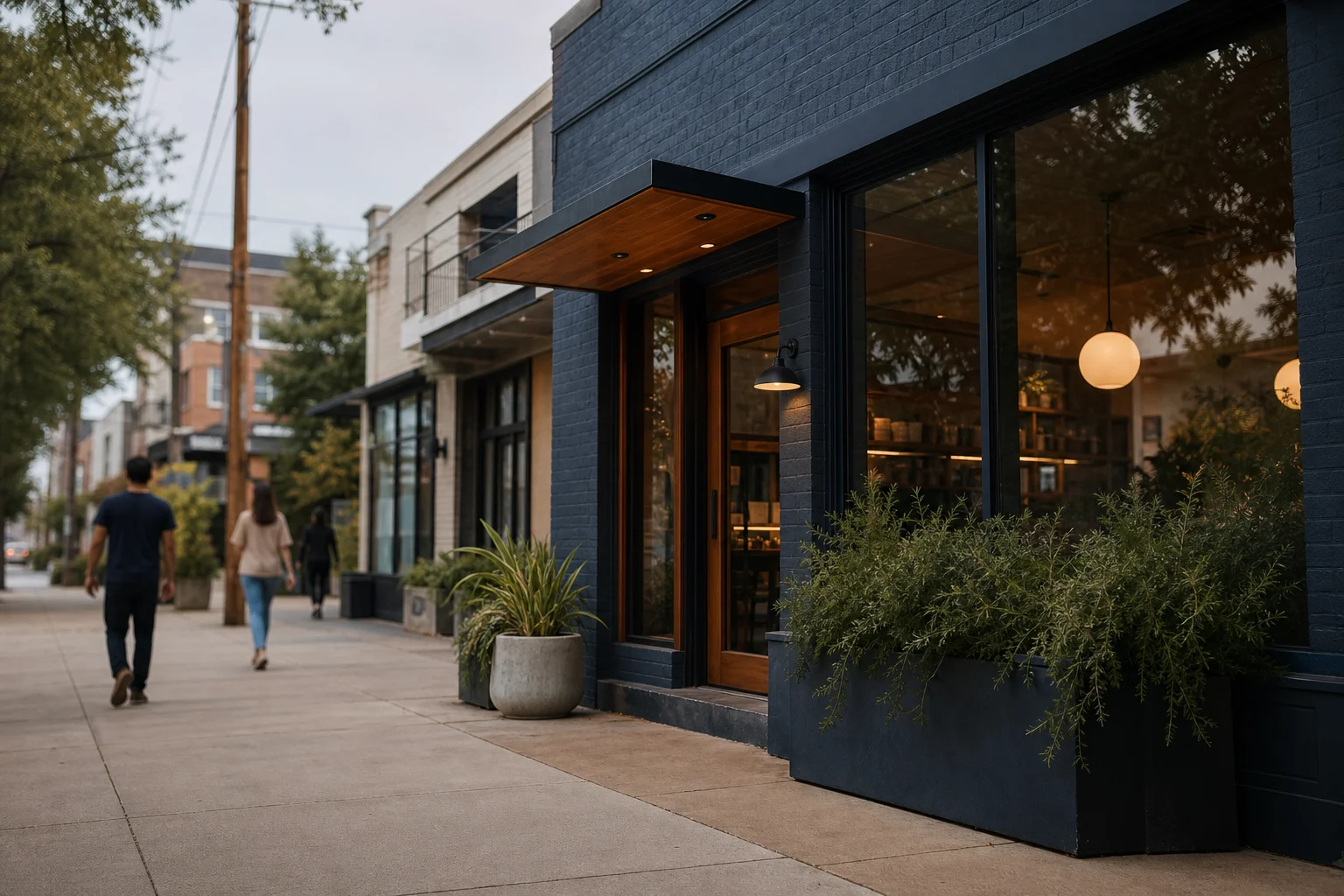
Main startup cost categories
The cost stack for a juice and smoothie bar in Chicago breaks down into seven major categories. Rent typically represents your largest fixed cost, followed by buildout and equipment expenses. Permits and licensing costs can vary widely depending on your specific location and operational scope. Payroll expenses will consume a significant portion of your ongoing budget, especially during the initial ramp-up period. Opening inventory requires substantial upfront capital for fresh ingredients and packaging. Launch marketing expenses are essential for generating initial awareness and customer traffic. Finally, maintaining adequate cash reserves provides critical operational flexibility during the challenging early months.
Rent and lease assumptions in Chicago
Chicago's commercial real estate market presents significant cost pressure for juice and smoothie bar operators. Locavisor neighborhood scoring identifies South Loop as the best location at 6.8/10, characterized by maxed-out office density, validated juice demand, but trophy rent challenges requiring tiny footprints and high-speed operations. The Loop (6.7/10) offers near-perfect demand scores (8.0) and maximum competition fit (10), but zero rent fit with expectations of $90-140/sqft NNN. West Loop (6.6/10) features strong demand (7.8) and the highest accessibility (8.3), but again zero rent fit with similar $90-140/sqft NNN expectations.
Market temperature is promising with medium competition density, but rent level is high across all top areas. The score confidence sits at 70% based on the 2026-05 snapshot. South Loop already hosts two Pure Green locations—one at 4.2★ (69 reviews) and one at 4.1★ (21 reviews)—demonstrating concept validation without market saturation. The Loop's CBD core includes State St, Willis Tower, Union Station, and Block 37. West Loop's Fulton Market/Randolph St corridor features Google HQ, McDonald's HQ, and Girl & The Goat within a dense tech/creative office base.
Buildout, equipment, payroll, opening inventory, permits, and cash reserve
Buildout costs depend heavily on your chosen location's existing condition and your design vision. Juice and smoothie bars require specialized plumbing, electrical systems, and ventilation that may exceed standard restaurant requirements. Equipment represents another major expense, with commercial-grade juicers, blenders, refrigeration, and POS systems requiring significant investment.
Payroll models must account for staffing during various operational phases. Opening inventory requires careful planning to balance freshness with cost efficiency. Permits and licensing involve multiple city and state requirements that vary by location and operational specifics. Cash reserves should cover at least six months of operating expenses to navigate the challenging initial period when customer acquisition and operational efficiency are still developing.

Lean vs moderate vs generous launch budgets
Launch budget approaches vary significantly among Chicago juice and smoothie bar operators. A lean budget might focus on a smaller footprint with used equipment and minimal marketing spend. A moderate budget allows for newer equipment, better location positioning, and more comprehensive marketing. A generous budget enables premium locations, state-of-the-art equipment, extensive marketing campaigns, and higher staffing levels during the launch phase.
The high rent level across Chicago's top areas creates substantial cost pressure that must be balanced against revenue potential. Market temperature remains promising, but medium competition density means differentiation is essential. Your budget approach should align with your specific location's characteristics and target customer base.
What to validate before spending money
Before committing significant capital to your juice and smoothie bar venture, validate several critical assumptions. Lease terms should be carefully reviewed for hidden costs, renewal options, and termination clauses. Buildout scope must align with both your budget and operational requirements. Equipment lists should prioritize reliability and efficiency over unnecessary features.
Payroll models need validation against industry standards and local wage requirements. Opening inventory quantities should be based on realistic sales projections and supplier relationships. Permit requirements must be thoroughly researched to avoid costly delays or compliance issues. Cash reserve targets should reflect the specific challenges of your chosen location and market conditions.
Professional review of your business plan by local experts with Chicago market experience can identify potential cost traps and optimization opportunities. Locavisor neighborhood scoring provides valuable location insights, but on-the-ground validation remains essential.
FAQ
How much does it cost to open A Juice and Smoothie Bar in Chicago?
The exact total cost to open a juice and smoothie bar in Chicago cannot be estimated from the provided data. Startup costs vary significantly based on multiple factors including location selection, lease terms, buildout requirements, equipment specifications, staffing levels, inventory needs, permit requirements, and marketing approach. Chicago's high rent level across top areas creates substantial cost pressure that must be balanced against revenue potential. Before committing capital, validate your specific lease assumptions, buildout scope, equipment requirements, payroll model, inventory needs, permit requirements, and cash reserve targets. Professional review of your business plan by local experts with Chicago market experience can help identify potential cost optimization opportunities specific to your situation.
Last reviewed: 2026-05-08
Sources: U.S. Census Bureau ACS, LEHD LODES, Google Places, OpenStreetMap, Locavisor neighborhood scoring.
Methodology: Locavisor scores neighborhoods across demand, competition fit, rent fit, accessibility, and customer match. Scores reflect a snapshot of recent data and should be combined with on-the-ground research before lease decisions.
Disclaimer: This article provides informational content only and does not constitute legal, financial, accounting, or real-estate advice. Verify lease terms, licensing, local regulations, costs, and professional requirements with qualified local professionals before making business decisions.
Free preview shows top 3 neighborhoods. Full $9.99 report covers all 10 areas with personalized scoring + 90-day check-ins.
Informational only. Verify lease, licensing, local regulations, costs, and professional requirements with qualified local professionals.