Dallas, TX · juice and smoothie bar
Cost to open a juice and smoothie bar in Dallas
Opening a juice and smoothie bar in Dallas presents unique cost considerations that differ from other Texas markets. The city's commercial real estate landscape, competitive food scene, and specific regulatory environment create distinct financial pressures for entrepreneurs. Understanding these cost drivers is essential before committing capital to a new venture.
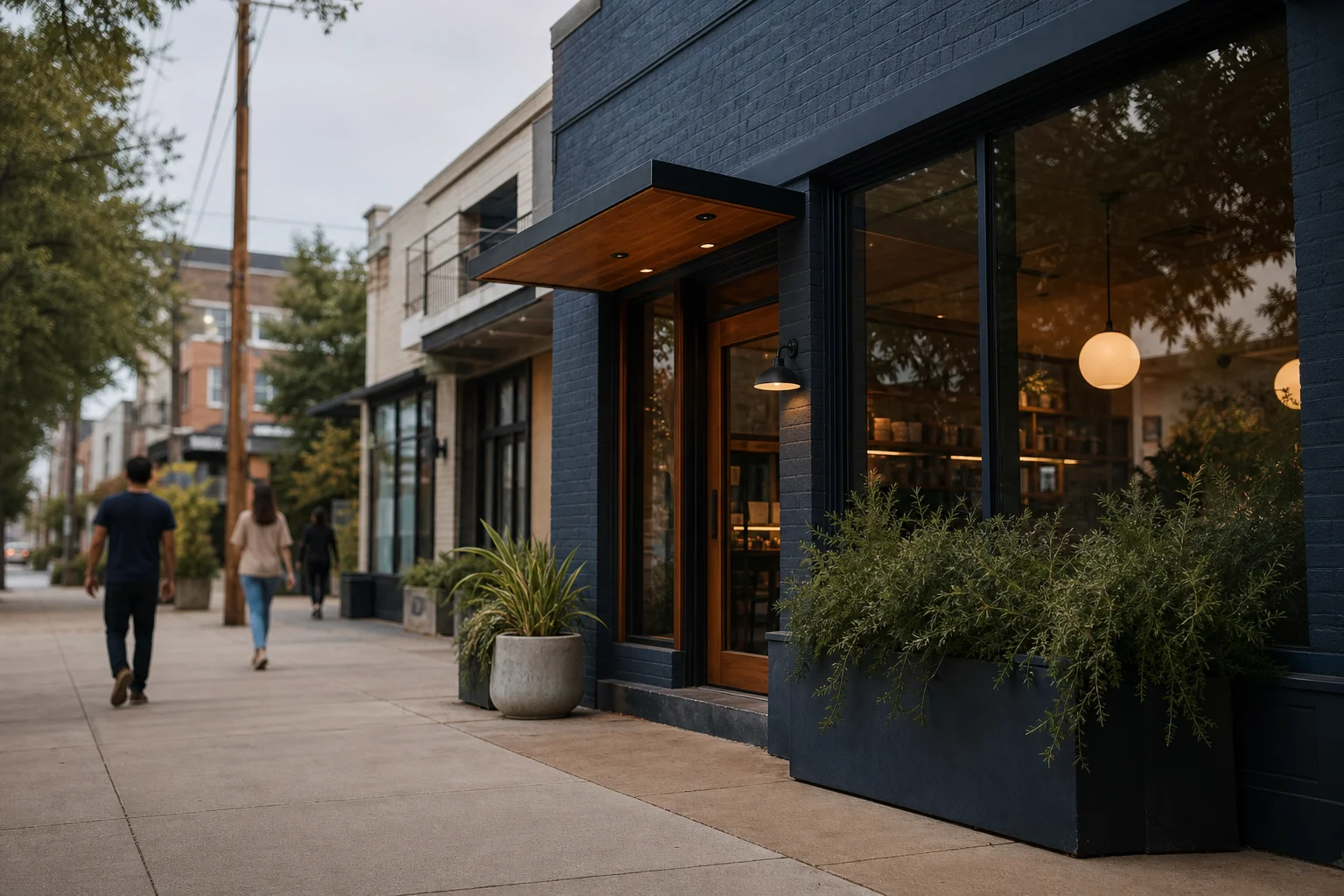
What does it cost to open a juice and smoothie bar in Dallas?
The total investment required to launch a juice and smoothie bar in Dallas varies significantly based on location, size, and operational model. Unlike many other food service concepts, juice bars often require specialized equipment and face higher-than-average rent in prime locations. The Dallas market presents both opportunities and challenges for entrepreneurs looking to enter this space. The question of "What does it cost to open a juice and smoothie bar in Dallas?" doesn't have a simple answer, as it depends on numerous factors that we'll explore in detail.
Juice and smoothie bars in Dallas face specific cost pressures that differ from other food concepts. The city's health-conscious demographic creates demand but also raises customer expectations for quality ingredients and clean operations. Additionally, Dallas's hot climate means higher electricity costs for refrigeration, and the competitive food scene requires businesses to invest in differentiation to stand out.
Major cost categories
Lease deposit and first/last month
Securing the right location is often the single largest upfront cost for a juice and smoothie bar. In Dallas, commercial lease deposits typically range from one to three months' rent, with first and last month payments required at lease signing. The city's top neighborhoods for this business type show significant variation in rental rates, which directly impacts this cost category. For example, in Addison, rent bands range from $25-$85/sqft/yr NNN, while Plano Legacy West / The Shops at Legacy shows a more specific rate of $55/sqft/yr NNN. These variations mean entrepreneurs must carefully evaluate which neighborhood aligns with their budget and business model.
The lease deposit represents a substantial upfront investment that can tie up capital needed for other startup expenses. In Dallas's competitive market, landlords may require stronger financials or personal guarantees, particularly in prime locations like Bishop Arts District where rent bands reach $25-$85/sqft/yr NNN. Negotiating favorable lease terms, including tenant improvement allowances, can help reduce this initial cost burden.
Tenant improvements and buildout
Converting a raw space into a functional juice bar requires substantial investment in tenant improvements. This includes plumbing for specialized equipment, electrical work for refrigeration and blenders, and creating an inviting customer experience. The condition of the space and local building codes will heavily influence these costs. Juice bars often require more extensive buildouts than other food concepts due to the need for multiple refrigeration units, preparation areas, and potentially juice bar seating.
In Dallas, building codes may have specific requirements for food preparation areas that impact renovation costs. For instance, proper ventilation for juicing operations and adequate drainage for produce washing stations are mandatory. The city's health department has particular standards for surfaces, storage, and workflow that must be met, potentially requiring more extensive renovations than initially anticipated.
Equipment and furniture
Juice and smoothie bars require specific, often expensive equipment not found in standard restaurants. This includes high-powered blenders, cold-press juicers, refrigeration units, and display cases. Furniture needs to be both functional and aesthetically pleasing to attract health-conscious customers. The equipment needs for a juice bar are distinct from other food service businesses, with a focus on machinery that can handle high volumes of fresh ingredients while maintaining quality and consistency.
Specialized equipment for juice bars often comes with higher price tags than standard restaurant equipment. High-speed blenders capable of handling tough ingredients like kale and frozen fruits, commercial-grade juicers, and multiple refrigeration units for ingredient storage all represent significant investments. In Dallas's market, where customers expect fresh, high-quality products, investing in reliable, efficient equipment is particularly important to maintain operational consistency and customer satisfaction.
Licenses, permits, and insurance
Operating a food service business in Dallas requires multiple licenses and permits from city and state agencies. These include health department permits, business licenses, and potentially alcohol permits if offering smoothies with alcohol. Insurance costs must also be factored into startup expenses. The City of Dallas has specific requirements for food establishments that may differ from other Texas cities, making local knowledge crucial for budgeting these costs accurately.
Dallas requires food service businesses to obtain a Food Service Establishment permit from the City of Dallas Health and Human Services. This process includes inspections of the facility and may require specific modifications to meet code requirements. Additionally, businesses must register with the Texas Department of State Health Services and obtain any necessary alcohol permits if planning to serve alcoholic beverages in smoothies.
Initial inventory or supplies
Stocking a juice bar with fresh ingredients, packaging, and operational supplies represents a significant upfront cost. The perishable nature of many ingredients means inventory management is critical from day one. Juice bars require consistent supplies of fresh fruits, vegetables, and other ingredients, which can be costly, especially when sourcing high-quality, organic products that health-conscious customers often prefer.
In Dallas's market, where fresh, local ingredients are valued, building relationships with local suppliers can help manage costs while meeting customer expectations. However, this may require larger initial inventory purchases to demonstrate commitment to quality. Packaging costs, including cups, lids, and straws (with consideration for environmental preferences), also represent ongoing expenses that must be factored into startup budgets.
Pre-opening payroll and training
Hiring and training staff before opening is essential for a smooth launch. This includes wages for the opening team and potentially a manager to oversee operations during the critical first months. The Dallas labor market may have specific wage requirements or competition for qualified staff that impacts this cost category.
Finding skilled staff who understand juice bar operations and can maintain quality standards during busy periods is crucial. In Dallas's competitive job market, offering competitive wages and benefits may be necessary to attract and retain top talent. Training programs that ensure consistency in recipe preparation and customer service also represent an investment of both time and money before opening.
Working capital reserve
A working capital reserve of three to six months' operating expenses is recommended to cover unexpected costs and revenue fluctuations during the initial period. This reserve is particularly important for juice bars, which may experience seasonal variations in demand or face unexpected supply chain issues with fresh ingredients.
Dallas's weather patterns, including hot summers and occasional severe weather events, can impact customer traffic and supply chain logistics. Having adequate working capital ensures the business can weather these fluctuations without compromising operations or customer experience. This reserve also provides flexibility to invest in marketing or operational improvements during the critical early months.
How Dallas compares to other TX markets
Dallas presents a different cost profile than other major Texas cities like Austin or Houston. While rental rates in prime Dallas neighborhoods can be higher, the city offers a diverse market with options across various price points. The competitive food scene may require more investment in differentiation, but also presents opportunities for innovative concepts.
Compared to Austin, Dallas may offer more affordable commercial real estate in certain areas, while Houston's larger market size creates different competitive dynamics. Austin's health-conscious demographic may support premium pricing for juice and smoothie offerings, while Dallas's more diverse population may require broader menu appeal. Understanding these market differences helps entrepreneurs set realistic expectations for revenue and costs.
What competition looks like in the top areas
The top neighborhoods for juice and smoothie bars in Dallas, according to Locavisor research, offer varying levels of competition and customer demographics. Understanding the existing landscape is crucial for positioning a new business.
In Addison, with an overall score of 7.7/10 and rent band of $25-$85/sqft/yr NNN, the area features major anchors like Addison Walk and Addison Town Center. This suburban location attracts office workers and families, creating demand for quick, healthy options. The presence of major office complexes like Spaces The Colonnade and Regus - Addison - The Madison means a steady stream of potential customers throughout the workweek.
Plano Legacy West / The Shops at Legacy scores 7.3/10 with a rent band of $55/sqft/yr NNN. This area includes Legacy West mall and The Shops at Legacy East, drawing a younger, affluent demographic. Bondi Bowls operates here with a 4.8-star rating, indicating strong local demand for healthy offerings. The concentration of offices and retail in this area creates a built-in customer base that values convenience and quality.
Las Colinas (Irving) scores 7.2/10 with rent bands of $25-$85/sqft/yr NNN. Anchored by Las Colinas Village and MacArthur Park, this area serves both office workers and residents. Tropical Smoothie Cafe has established a presence here with 84 reviews and a 4.4-star rating, showing market viability. The area's mix of commercial and residential properties provides a diverse customer base throughout the day.
Bishop Arts District scores 6.4/10 with rent bands of $25-$85/sqft/yr NNN. This arts-focused neighborhood offers a unique customer base and walkability, though at potentially higher rental costs. The area's creative atmosphere attracts customers looking for unique, locally-sourced offerings, which could justify premium pricing. However, the limited foot traffic compared to suburban areas means businesses must work harder to build a loyal customer base.
Trinity Groves also scores 6.4/10 with rent bands of $25-$85/sqft/yr NNN. This developing area near downtown offers a different demographic and potentially lower rents than more established neighborhoods. The area's growth and proximity to downtown Dallas make it an attractive option for entrepreneurs looking to capture emerging market segments, but the developing nature of the area means customer traffic may be less predictable.
| Neighborhood | Score | Rent Band | Key Features | Competition |
|---|---|---|---|---|
| Addison | 7.7/10 | $25-$85/sqft/yr NNN | Major malls, office complexes, transit access | Moderate |
| Plano Legacy West / The Shops at Legacy | 7.3/10 | $55/sqft/yr NNN | High-end retail, offices, established competition | High (Bondi Bowls) |
| Las Colinas (Irving) | 7.2/10 | $25-$85/sqft/yr NNN | Mixed-use development, established chain presence | High (Tropical Smoothie Cafe) |
| Bishop Arts District | 6.4/10 | $25-$85/sqft/yr NNN | Arts-focused, walkable, potentially higher rents | Low |
| Trinity Groves | 6.4/10 | $25-$85/sqft/yr NNN | Developing area, diverse demographic | Low |
Common cost overrun patterns
Many juice bar startups experience cost overruns in several predictable areas. Underestimating buildout requirements, especially for specialized plumbing and electrical work, is common. Equipment costs often exceed initial budgets, particularly when investing in high-quality, commercial-grade machines. Inventory management can also lead to unexpected costs, as fresh ingredients require careful planning and potential waste mitigation strategies.
Additionally, many entrepreneurs fail to account for the costs of specialized POS systems that can integrate with order-ahead apps and loyalty programs, which are increasingly important in the competitive Dallas market. Marketing expenses, including social media advertising and local promotions, often exceed initial projections as businesses work to build awareness in a crowded market.
Permitting delays and unexpected code requirements can also cause cost overruns, particularly in older buildings that may not meet current health and safety standards. Working with experienced contractors who understand Dallas's specific requirements can help mitigate these risks, but their expertise comes at a premium.
How to validate your number before committing capital
Before finalizing any lease or major purchase, entrepreneurs should conduct thorough due diligence. This includes verifying all cost assumptions with local vendors and contractors. Researching comparable businesses in target neighborhoods provides valuable market context. Creating detailed financial projections based on realistic revenue assumptions helps identify potential gaps in startup funding.
Visiting potential locations during different times of day and week to understand foot traffic patterns is crucial. Talking to neighboring business owners can provide insights into customer demographics and spending habits. Analyzing online reviews of existing juice bars helps identify what customers value and where opportunities exist for differentiation.

FAQ
What are the best neighborhoods in Dallas for a juice and smoothie bar?
According to Locavisor research, the top neighborhoods for juice and smoothie bars in Dallas are Addison (score 7.7/10), Plano Legacy West / The Shops at Legacy (7.3/10), and Las Colinas (Irving) (7.2/10). These areas offer strong foot traffic, desirable demographics, and varying rental rates to fit different business models. Addison provides a suburban office worker base, Plano Legacy West targets a younger affluent demographic, while Las Colinas offers a mixed-use environment with both commercial and residential customers.
How does competition affect startup costs in Dallas?
Competition in Dallas's juice and smoothie market can increase startup costs through the need for differentiation. Established players like Bondi Bowls and Tropical Smoothie Cafe may require new entrants to invest more in branding, unique offerings, or superior customer experience to capture market share. The presence of these competitors also means new businesses may need to offer competitive pricing or value-added services to attract customers, potentially impacting profit margins.
What regulatory considerations should I account for in Dallas?
Dallas requires standard food service licenses from the city and state, plus potentially additional permits depending on your specific operations. Health department inspections are rigorous, and compliance costs should be factored into startup expenses. Always verify requirements with the City of Dallas Health and Human Services and Texas Department of State Health Services. Additionally, Dallas may have specific regulations regarding outdoor seating, signage, and waste disposal that could impact startup costs.
Last reviewed: 2026-05-30
Sources: U.S. Census Bureau ACS, LEHD LODES, Google Places, OpenStreetMap, Locavisor neighborhood scoring.
Methodology: Locavisor scores neighborhoods across demand, competition fit, rent fit, accessibility, and customer match. Scores reflect a snapshot of recent data and should be combined with on-the-ground research before lease decisions.
Disclaimer: This article provides informational content only and does not constitute legal, financial, accounting, or real-estate advice. Verify lease terms, licensing, local regulations, costs, and professional requirements with qualified local professionals before making business decisions.
Free preview shows top 3 neighborhoods. Full $9.99 report covers all 10 areas with personalized scoring + 90-day check-ins.
Informational only. Verify lease, licensing, local regulations, costs, and professional requirements with qualified local professionals.