Denver, CO · juice and smoothie bar
Cost to open a juice and smoothie bar in Denver
Denver's juice and smoothie bar scene presents a promising opportunity for entrepreneurs looking to enter the health-focused food service market. The cost to open a juice and smoothie bar in Denver varies significantly based on location, scale, and operational approach. With a market temperature rated as promising and medium competition density, Denver offers a balanced environment for new entrants, particularly in neighborhoods with strong foot traffic and health-conscious demographics.
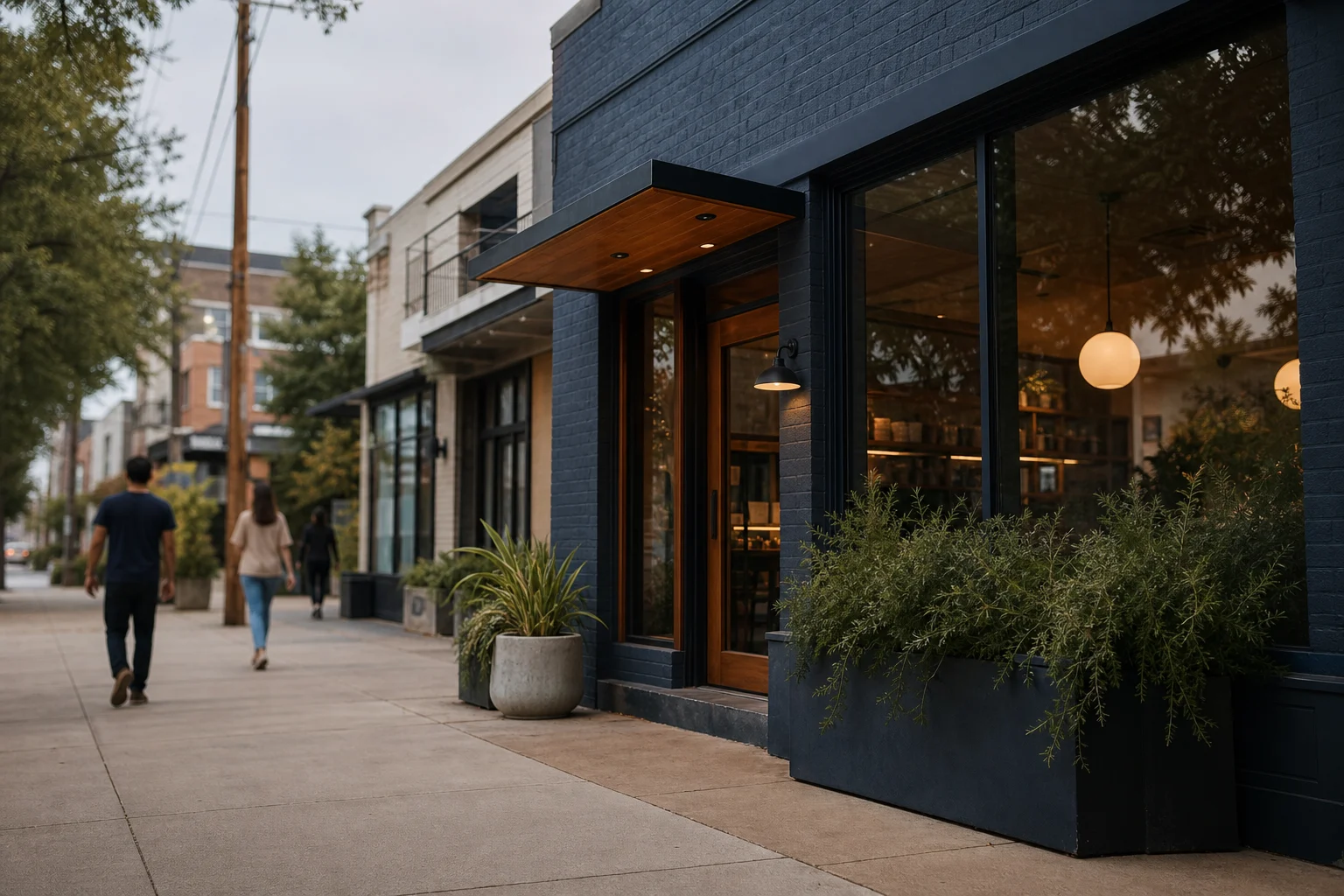
Main Startup Cost Categories
Opening a juice and smoothie bar involves several key cost categories that founders must plan for carefully. These include rent and lease assumptions, buildout and equipment costs, payroll expenses, opening inventory, permits and licensing fees, and cash reserves for the initial launch period. Each category carries its own set of considerations and potential cost pressures that vary based on Denver's specific market conditions and neighborhood characteristics.
Understanding these categories helps founders create realistic financial projections and avoid common pitfalls that can derail a new business before it gains traction. The right balance between investment and operational efficiency often determines whether a juice and smoothie bar can establish itself in Denver's competitive landscape.
Rent and Lease Assumptions in Denver
Denver's rent landscape for juice and smoothie bars presents interesting opportunities, particularly with a reported low rent level compared to other major markets. The Top 3 areas identified by Locavisor neighborhood scoring offer distinct advantages for different business models:
LoDo (Lower Downtown) (8.5/10) stands out as Denver's densest office-and-tourism hub, with Union Station, Larimer Square, Coors Field, and 16th Street Mall within walking distance. This area features two existing juice operators: Rush Bowls at 3.8★ and Juice Kitchen at 4.6★, but no dominant player. Rent expectations in LoDo are roughly $30-50/sqft NNN, with approximately 10,500 weekday office workers within 800m, making it ideal for a breakfast-and-lunch volume play.
RiNo (River North Art District) (7.8/10) serves as Denver's creative-class corridor, featuring murals, breweries, Denver Central Market, and a growing coworking cluster. This area has two nearby juice operators: Campo Juice + Kitchen (4.9★, 306 reviews) and Rush Bowls (4.5★, 68 reviews). Rent expectations align with LoDo at roughly $30-50/sqft NNN. While offering strong office density and residential base, new entrants must differentiate from Campo's established premium positioning.
Five Points (7.5/10) represents a historic neighborhood with strong walkability, light-rail access (25th-Welton, 27th-Welton stations), and a growing food scene anchored by Denver Central Market and Rosenberg's Bagels. This area currently lacks direct juice competitors within the immediate vicinity, with the closest operators located in LoDo and RiNo.
Buildout, Equipment, Payroll, Opening Inventory, Permits, and Cash Reserve
The buildout phase for a juice and smoothie bar involves transforming a raw space into a functional customer-facing operation. This includes plumbing for produce washing and juice extraction, electrical systems for multiple blenders and refrigeration, and flooring that can withstand constant moisture and cleaning. Equipment costs typically include commercial-grade blenders, juicers, refrigeration units, POS systems, and furniture for customer seating.
Payroll represents a significant ongoing expense, particularly during the launch phase when staffing needs may be higher to establish operational routines and customer relationships. Opening inventory requires careful planning to ensure adequate stock of fresh produce without excessive waste that could strain initial cash flow.
Permits and licensing in Denver include health department approvals, food handler certifications, and business operating licenses. The specific requirements vary based on location within the city and the scale of operations. Cash reserves serve as a critical buffer during the initial months when revenue may not yet cover all expenses, allowing the business to establish its customer base and refine operations.

Lean vs Moderate vs Generous Launch Budgets
Founders must consider their approach to initial investment when planning the cost to open a juice and smoothie bar in Denver. A lean launch budget focuses on essential equipment and minimal buildout, often operating with a smaller footprint and limited menu options. This approach reduces initial capital requirements but may limit growth potential and operational efficiency.
A moderate launch budget allows for more comprehensive equipment, a well-designed customer space, and a broader product offering. This approach balances initial investment with operational flexibility, providing the resources needed to establish a stronger market presence and customer experience.
A generous launch budget enables premium buildout, top-tier equipment, extensive menu development, and significant marketing investment. This approach maximizes the potential for immediate brand recognition and customer acquisition but requires substantially more initial capital and carries higher financial risk.
What to Validate Before Spending Money
Before committing significant resources to opening a juice and smoothie bar in Denver, founders should validate several critical assumptions. Lease terms should be carefully reviewed, particularly regarding NNN (triple net) clauses that may pass additional building expenses to the tenant. Buildout scope must align with both budget constraints and operational needs, avoiding unnecessary expenses while ensuring functionality.
Equipment requirements should be based on actual production needs rather than aspirational capabilities. Payroll models must reflect realistic staffing requirements for the expected customer volume and service standards. Opening inventory quantities should balance freshness concerns with cash flow considerations.
Permit requirements should be thoroughly researched to avoid unexpected delays and expenses. Cash reserves should be sufficient to cover at least three months of operating expenses while the business establishes its customer base. Finally, local professional review from attorneys, accountants, and industry veterans can identify potential blind spots and validate the overall business approach.
FAQ
How much does it cost to open A Juice and Smoothie Bar in Denver?
The exact total cost to open a juice and smoothie bar in Denver cannot be estimated from the provided data. Startup costs vary significantly based on location within the city, scale of operations, equipment choices, buildout requirements, and other factors. Founders should validate lease assumptions, buildout scope, equipment requirements, payroll models, opening inventory needs, permit requirements, and adequate cash reserves before committing to specific financial commitments. The cost structure differs substantially between Denver's top neighborhoods, with LoDo, RiNo, and Five Points each presenting unique financial considerations and opportunities.
Last reviewed: 2026-05-08
Sources: U.S. Census Bureau ACS, LEHD LODES, Google Places, OpenStreetMap, Locavisor neighborhood scoring.
Methodology: Locavisor scores neighborhoods across demand, competition fit, rent fit, accessibility, and customer match. Scores reflect a snapshot of recent data and should be combined with on-the-ground research before lease decisions.
Disclaimer: This article provides informational content only and does not constitute legal, financial, accounting, or real-estate advice. Verify lease terms, licensing, local regulations, costs, and professional requirements with qualified local professionals before making business decisions.
Free preview shows top 3 neighborhoods. Full $9.99 report covers all 10 areas with personalized scoring + 90-day check-ins.
Informational only. Verify lease, licensing, local regulations, costs, and professional requirements with qualified local professionals.