Fort Worth, TX · juice and smoothie bar
Cost to open a juice and smoothie bar in Fort Worth
Opening a juice and smoothie bar in Fort Worth requires understanding the local market dynamics, cost pressures, and competitive landscape. The city's business environment presents unique opportunities and challenges for entrepreneurs looking to enter the health-focused food service sector. Fort Worth's diverse neighborhoods, ranging from downtown commercial districts to university-adjacent areas, create different cost structures and customer profiles that directly impact startup expenses.
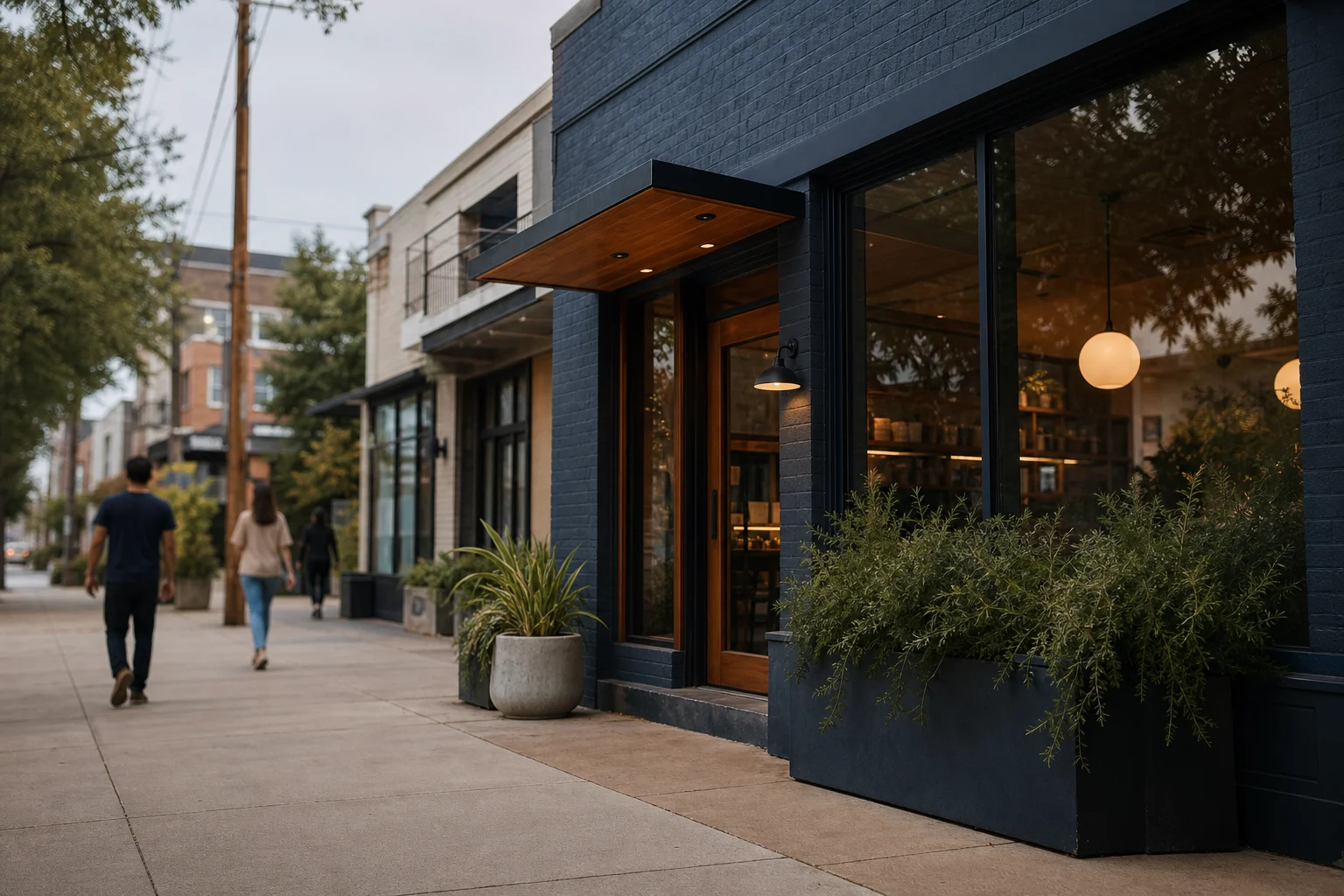
What does it cost to open a juice and smoothie bar in Fort Worth?
Major cost categories
Lease deposit and first/last month
When negotiating a lease, expect to pay a security deposit equal to one to three months' rent, plus the first and last month's rent upfront. In competitive Fort Worth neighborhoods like Sundance Square (overall score 6.7/10), these deposits can represent a substantial portion of your initial capital. The rent band in Sundance Square specifically falls within the $25-$85/sqft/yr NNN range, making it one of the more expensive areas to operate.
Tenant improvements and buildout
The condition of the space directly impacts your budget. A "turnkey" location might require only minor cosmetic updates, while a raw shell space could necessitate full buildout. In neighborhoods like the Stockyards (overall score 6.2/10), where historic buildings may have outdated infrastructure, anticipate higher TI costs to meet health code requirements and accommodate modern equipment.
Equipment and furniture
Juice and smoothie bars require specialized equipment that balances functionality with aesthetic appeal. Essential equipment includes high-performance blenders, commercial-grade refrigeration, point-of-sale systems, and food preparation stations. Unlike many restaurant concepts, juice bars have a relatively streamlined equipment list, which can help control costs. However, the quality and capacity of your equipment directly impact operational efficiency and customer experience.
Furniture selection also affects your budget. Customer seating, counter design, and display cases contribute to the overall ambiance and operational flow. In Fort Worth's competitive market, where established players like Tropical Smoothie Cafe and Smoothie King already have brand recognition, investing in quality equipment and appealing interior design can help differentiate your offering.
Licenses, permits, and insurance
Navigating Fort Worth's regulatory landscape requires careful planning and budgeting. You'll need various permits and licenses, including a food service permit, health department inspection, and potentially a liquor license if you plan to serve alcoholic beverages. The City of Fort Worth's Development Services Department handles building permits, while the Tarrant County Public Health Department oversees food safety certifications.
Insurance represents another necessary expense. General liability, property insurance, and workers' compensation (if you have employees) are standard requirements. The cost varies based on your location, coverage limits, and risk profile. In high-traffic areas like Berry Street / TCU adjacent (overall score 6.1/10), insurance premiums may be higher due to increased foot traffic and associated risks.
Initial inventory or supplies
Stocking your juice and smoothie bar with fresh ingredients, packaging, and supplies requires careful cash flow management. Unlike restaurants with longer shelf-life ingredients, juice bars rely heavily on perishable items, necessitating more frequent restocking. Your initial inventory should include a diverse selection of fruits, vegetables, proteins, and supplements to accommodate various customer preferences.
Packaging costs, including cups, lids, and straws (considering Fort Worth's potential plastic straw regulations), add to your startup expenses. In competitive markets where customers have options like Fruitealicious Bubble Tea & Smoothies, maintaining fresh, high-quality ingredients becomes a critical differentiator that impacts both customer satisfaction and inventory costs.
Pre-opening payroll and training
Hiring and training staff before opening represents a significant pre-opening expense. Even with a small team, you'll need to budget for wages during the training period. In Fort Worth's competitive labor market, offering competitive wages is essential for attracting and retaining quality employees. Training costs include not just wages but also the time investment in developing standard operating procedures and ensuring consistent product quality.
Consider the learning curve associated with your specific menu and operational processes. The more complex your offerings, the more extensive your training program-and associated costs-will be. In university-adjacent areas like TCU Campus / University Place (overall score 6.1/10), you may face additional challenges in scheduling around academic calendars.
Working capital reserve
Establishing a working capital reserve is crucial for covering operational expenses during the critical early months when revenue may be inconsistent. Many new businesses underestimate this requirement, leading to cash flow problems. Your reserve should cover at least three to six months of operating expenses, including rent, payroll, utilities, and inventory costs.
In Fort Worth's market, where seasonality and economic fluctuations can impact customer traffic, a larger reserve may be prudent. This buffer allows you to navigate slow periods without compromising quality or service, which is essential for building customer loyalty in a competitive landscape.
How Fort Worth compares to other TX markets
Fort Worth's commercial real estate costs fall between Dallas and Austin but generally exceed Houston and San Antonio. The city's growing economy and population have driven up rents in prime locations, making it more expensive than many Texas markets but potentially more affordable than Austin's downtown districts. When comparing Fort Worth to other Texas cities, consider that juice and smoothie bars may perform differently based on local health consciousness and demographic preferences.
The city's diverse neighborhoods create varied cost structures. While downtown areas command premium rents, neighborhoods further from the city center offer more affordable options. Understanding these variations helps you position your business in a location that balances cost considerations with target customer access.
What competition looks like in the top areas
Fort Worth's juice and smoothie market features both national chains and local operators. In the Berry Street / TCU adjacent area (overall score 6.1/10), you'll find established players like Tropical Smoothie Cafe (4.5 stars, 105 reviews, $$$), Smoothie King (4.7 stars, 519 reviews, $$), and Fruitealicious Bubble Tea & Smoothies (4.6 stars, 667 reviews, $$$). These competitors have already captured market share and customer loyalty, making differentiation challenging but not impossible.
Customer reviews highlight the importance of quality and atmosphere. Positive feedback often mentions "friendly, courteous, helpful service" and "perceived strong value" even at premium price points. In the Cultural District (overall score 5.9/10), where foot traffic includes tourists and locals, creating a unique experience can help your business stand out among existing options.
Common cost overrun patterns
Many juice and smoothie bar startups encounter unexpected costs that exceed their initial budgets. Common overruns include:
- ** underestimated buildout costs**: Failing to account for necessary structural modifications or unexpected issues discovered during renovation.
- ** equipment upgrades**: Discovering that initial equipment purchases don't meet operational needs, requiring additional investment.
- ** regulatory compliance**: Unanticipated requirements or fees during the permitting process.
- ** inventory management**: Overstocking perishable items or underestimating ongoing supply costs.
- ** marketing expenses**: Underestimating the investment needed to build awareness in a competitive market.
Understanding these patterns helps you create a more realistic budget and contingency plan. In Fort Worth's market, where established competitors already have brand recognition, marketing and customer acquisition costs may be higher than anticipated.
How to validate your number before committing capital
Before committing significant capital, validate your cost assumptions through thorough research:
- ** lease verification**: Obtain actual quotes from multiple Fort Worth locations rather than relying on averages.
- ** contractor bids**: Get detailed estimates for buildout work from local contractors familiar with food service requirements.
- ** equipment pricing**: Research multiple suppliers to understand the true cost of necessary equipment.
- ** regulatory requirements**: Consult directly with Fort Worth and Tarrant County agencies to confirm all necessary permits and associated fees.
- ** market testing**: Conduct customer surveys or pop-up events to validate demand and pricing assumptions.
Creating a detailed spreadsheet that breaks down each cost category and includes contingency buffers (typically 15-20% of total estimated costs) provides a more realistic financial picture. This validation process is critical for avoiding surprises and ensuring your business model is financially viable in Fort Worth's specific market conditions.
| Neighborhood | Locavisor score | Rent band | Local operator signal | Founder validation check |
|---|---|---|---|---|
| Sundance Square | 6.7/10 | $25-$85/sqft/yr NNN | No direct operator listed | Validate lease terms, buildout condition, equipment scope, and reserves. |
| Stockyards | 6.2/10 | $25-$85/sqft/yr NNN | No direct operator listed | Validate lease terms, buildout condition, equipment scope, and reserves. |
| Berry Street / TCU adjacent | 6.1/10 | $25-$85/sqft/yr NNN | Tropical Smoothie Cafe, Smoothie King | Validate lease terms, buildout condition, equipment scope, and reserves. |
| TCU Campus / University Place | 6.1/10 | $25-$85/sqft/yr NNN | Tropical Smoothie Cafe, Smoothie King | Validate lease terms, buildout condition, equipment scope, and reserves. |
| Cultural District | 5.9/10 | $25-$85/sqft/yr NNN | No direct operator listed | Validate lease terms, buildout condition, equipment scope, and reserves. |

FAQ
What's the average rent per square foot for a juice and smoothie bar in Fort Worth?
According to Locavisor research, prime locations in Fort Worth command rents in the $25-$85/sqft/yr NNN range. This varies significantly by neighborhood, with downtown areas like Sundance Square (overall score 6.7/10) at the higher end and areas like the Cultural District (overall score 5.9/10) potentially offering more affordable options.
How does Fort Worth's juice bar market compare to Dallas?
Fort Worth generally offers more affordable commercial real estate than Dallas, with rent bands in similar neighborhoods typically 10-20% lower. However, Dallas may have higher foot traffic in certain areas, potentially offsetting the rent difference. The competitive landscape also differs, with different established players and customer preferences.
What are the most cost-effective neighborhoods for a juice and smoothie bar in Fort Worth?
Neighborhoods with strong foot traffic but more affordable rents include the Cultural District (overall score 5.9/10) and TCU Campus / University Place (overall score 6.1/10). These areas offer good visibility and customer access without the premium pricing of downtown locations like Sundance Square.
Last reviewed: 2026-05-30
Sources: U.S. Census Bureau ACS, LEHD LODES, Google Places, OpenStreetMap, Locavisor neighborhood scoring.
Methodology: Locavisor scores neighborhoods across demand, competition fit, rent fit, accessibility, and customer match. Scores reflect a snapshot of recent data and should be combined with on-the-ground research before lease decisions.
Disclaimer: This article provides informational content only and does not constitute legal, financial, accounting, or real-estate advice. Verify lease terms, licensing, local regulations, costs, and professional requirements with qualified local professionals before making business decisions.
Free preview shows top 3 neighborhoods. Full $9.99 report covers all 10 areas with personalized scoring + 90-day check-ins.
Informational only. Verify lease, licensing, local regulations, costs, and professional requirements with qualified local professionals.