Phoenix, AZ · juice and smoothie bar
Cost to open a juice and smoothie bar in Phoenix
Opening a juice and smoothie bar in Phoenix requires careful planning of startup costs. The cost to open a juice and smoothie bar in Phoenix varies based on location, size, concept, and operational approach. Understanding these costs is crucial for small business founders looking to enter this promising market. Locavisor's neighborhood scoring provides valuable insights into the best areas for this venture, helping entrepreneurs make informed decisions about where to allocate their resources.
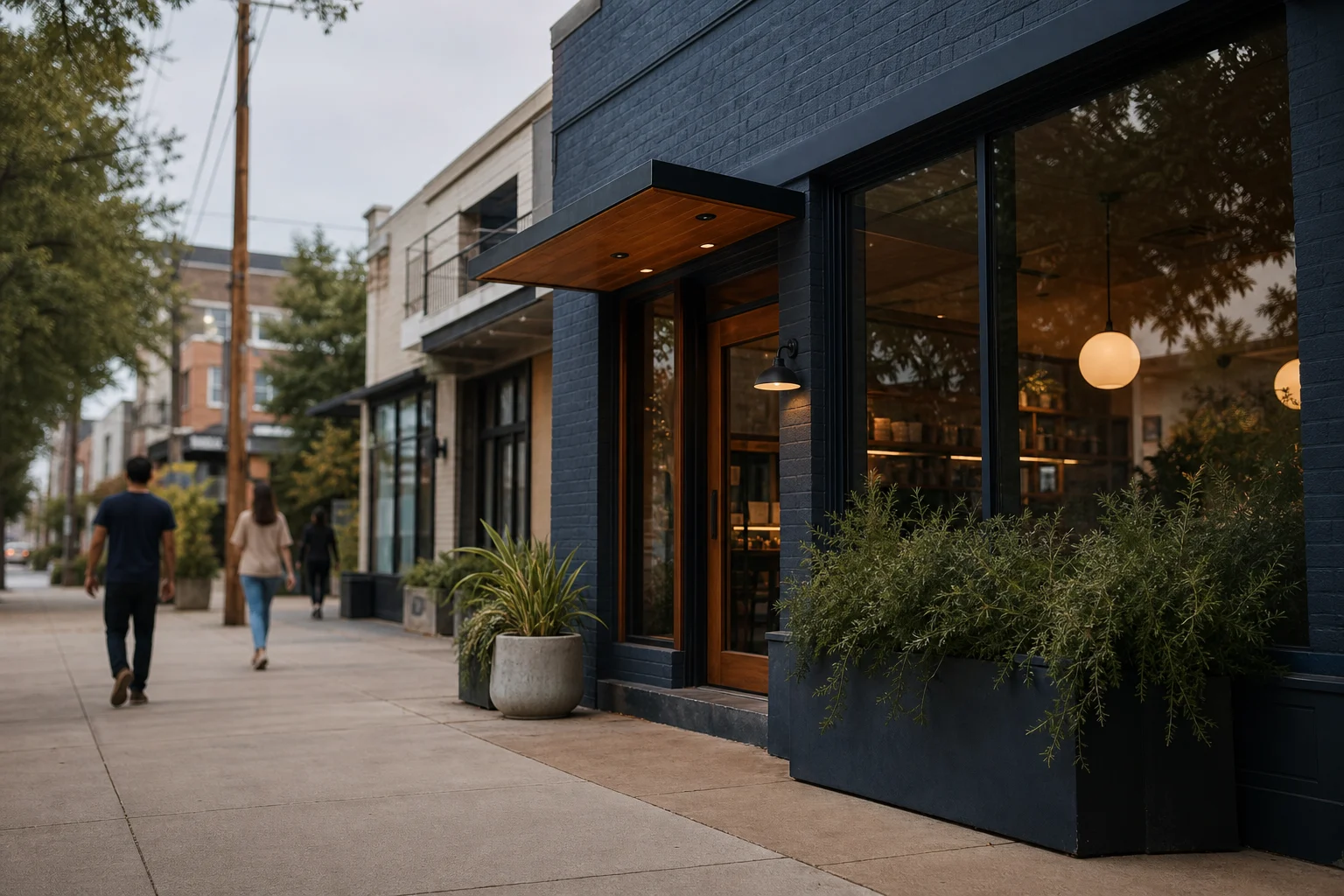
Main startup cost categories
When planning to open a juice and smoothie bar in Phoenix, founders should consider several key cost categories. These include rent and lease assumptions, buildout and equipment costs, payroll expenses, opening inventory, permits and licenses, and cash reserves for the initial launch period. Each category requires careful consideration and validation before committing significant resources. The market temperature in Phoenix is promising, but competition density varies by location, affecting cost pressures and potential return on investment.
Rent and lease assumptions in Phoenix
Phoenix offers a low rent level compared to other major markets, which significantly impacts startup costs. Locavisor neighborhood scoring identifies three top areas for a juice and smoothie bar:
Tempe / ASU campus (7.6/10) — Top-ranked area anchored by Arizona State University's 50K+ student body and Mill Avenue's dense retail corridor. Four existing juice/smoothie operators within 800m — Nautical Bowls (4.9★, 225 reviews), Pure Green (4.7★, 77 reviews), Nekter Juice Bar (3.5★, 98 reviews), and Emerald City Smoothie (4.2★, 19 reviews) — proving demand but also signaling a crowded field.
Roosevelt Row (7.5/10) — Phoenix's arts district anchored by Roosevelt Row, First Friday events, and ASU Downtown campus. Walkability is near ceiling, and the area draws a mix of office workers, students, and event-driven tourist traffic.
Camelback Corridor (7.3/10) — Upscale office corridor along Camelback Road between 24th and 44th Streets, anchored by Biltmore Fashion Park and multiple coworking hubs. Office index is city-leading — this is Phoenix's premier white-collar employment node. Zero direct juice/smoothie competitors within the corridor, despite strong lunch-daypart demand. Affluence is above-average, supporting premium pricing.
Each area presents different rent considerations. Tempe/ASU campus has established competition but high student traffic. Roosevelt Row offers excellent walkability and diverse customer base. Camelback Corridor provides an opportunity with no direct competitors but targets a more affluent demographic. The rent level across these areas is low compared to national averages, but lease terms and buildout requirements can vary significantly.
Buildout, equipment, payroll, opening inventory, permits, and cash reserve
Buildout costs depend heavily on the condition of the leased space and the concept's design requirements. A juice and smoothie bar may require specialized plumbing for produce washing, refrigeration systems, and customer flow considerations. Equipment represents a significant portion of startup costs, including blenders, juicers, refrigeration, POS systems, and furniture.
Payroll expenses must be modeled carefully, considering both staffing needs during the launch phase and ongoing operational requirements. Opening inventory includes fresh produce, packaged goods, and supplies needed for the initial weeks of operation. Permits and licenses are essential for legal operation and may include health department permits, business licenses, and potentially alcohol permits if offering alcoholic smoothies.
Cash reserves are critical for covering expenses before the business reaches steady-state revenue. The market temperature in Phoenix is promising, but founders should prepare for the possibility of slower-than-expected ramp-up. The competition density varies by location, with Tempe/ASU campus showing medium competition density while Camelback Corridor currently has no direct competitors.

Lean vs moderate vs generous launch budgets
Founders can approach their launch budget with different strategies. A lean budget minimizes upfront investment but may limit the customer experience and marketing reach. A moderate budget allows for a more complete setup with quality equipment and adequate staffing. A generous budget enables premium buildout, comprehensive marketing, and additional staffing for exceptional customer service.
The choice depends on the target market and concept positioning. In areas like Camelback Corridor with above-average affluence, a more generous approach might be justified. In student-heavy areas like Tempe/ASU campus, a moderate approach might be more appropriate. The rent level in Phoenix is low, which provides flexibility in budget allocation across different categories.
Regardless of approach, founders should validate their budget assumptions against local market conditions. The score confidence of 82% indicates reliable data, but on-the-ground validation remains essential.
What to validate before spending money
Before committing significant resources, founders should thoroughly validate several key assumptions:
Lease assumptions should include not just rent but also triple net costs, lease term length, renewal options, and landlord buildout contributions. Buildout scope must align with the concept and operational needs while considering local building codes and health department requirements.
The equipment list should balance quality needs with budget constraints, considering warranty terms and service availability. Payroll models must account not just for staffing levels but also payroll taxes, benefits, and potential overtime costs.
Opening inventory requirements should be based on projected sales and supplier lead times. Cash reserve calculations should include not just startup costs but also operating expenses for the ramp-up period.
Finally, local professional review from an accountant, attorney, and industry-specific consultant can identify potential blind spots in the financial model. The data vintage of 2026-05 snapshot provides current insights, but market conditions can change rapidly.
FAQ
How much does it cost to open A Juice and Smoothie Bar in Phoenix?
The exact total cost to open a juice and smoothie bar in Phoenix cannot be estimated from the provided data. Startup costs vary significantly based on location within Phoenix, concept positioning, space size and condition, equipment choices, staffing model, and local requirements. Founders should validate their specific cost assumptions for rent, buildout, equipment, permits, payroll, opening inventory, and cash reserves based on their unique business plan and location choice. The market temperature in Phoenix is promising, but careful financial planning is essential for success.
Last reviewed: 2026-05-08
Sources: U.S. Census Bureau ACS, LEHD LODES, Google Places, OpenStreetMap, Locavisor neighborhood scoring.
Methodology: Locavisor scores neighborhoods across demand, competition fit, rent fit, accessibility, and customer match. Scores reflect a snapshot of recent data and should be combined with on-the-ground research before lease decisions.
Disclaimer: This article provides informational content only and does not constitute legal, financial, accounting, or real-estate advice. Verify lease terms, licensing, local regulations, costs, and professional requirements with qualified local professionals before making business decisions.
Free preview shows top 3 neighborhoods. Full $9.99 report covers all 10 areas with personalized scoring + 90-day check-ins.
Informational only. Verify lease, licensing, local regulations, costs, and professional requirements with qualified local professionals.