Seattle, WA · juice and smoothie bar
Cost to open a juice and smoothie bar in Seattle
Opening a juice and smoothie bar in Seattle requires careful planning of startup costs across multiple categories. The cost to open a juice and smoothie bar in Seattle varies significantly based on location, size, and operational approach. Seattle's market temperature is promising with medium competition density, making it an attractive but challenging market for new juice and smoothie businesses.
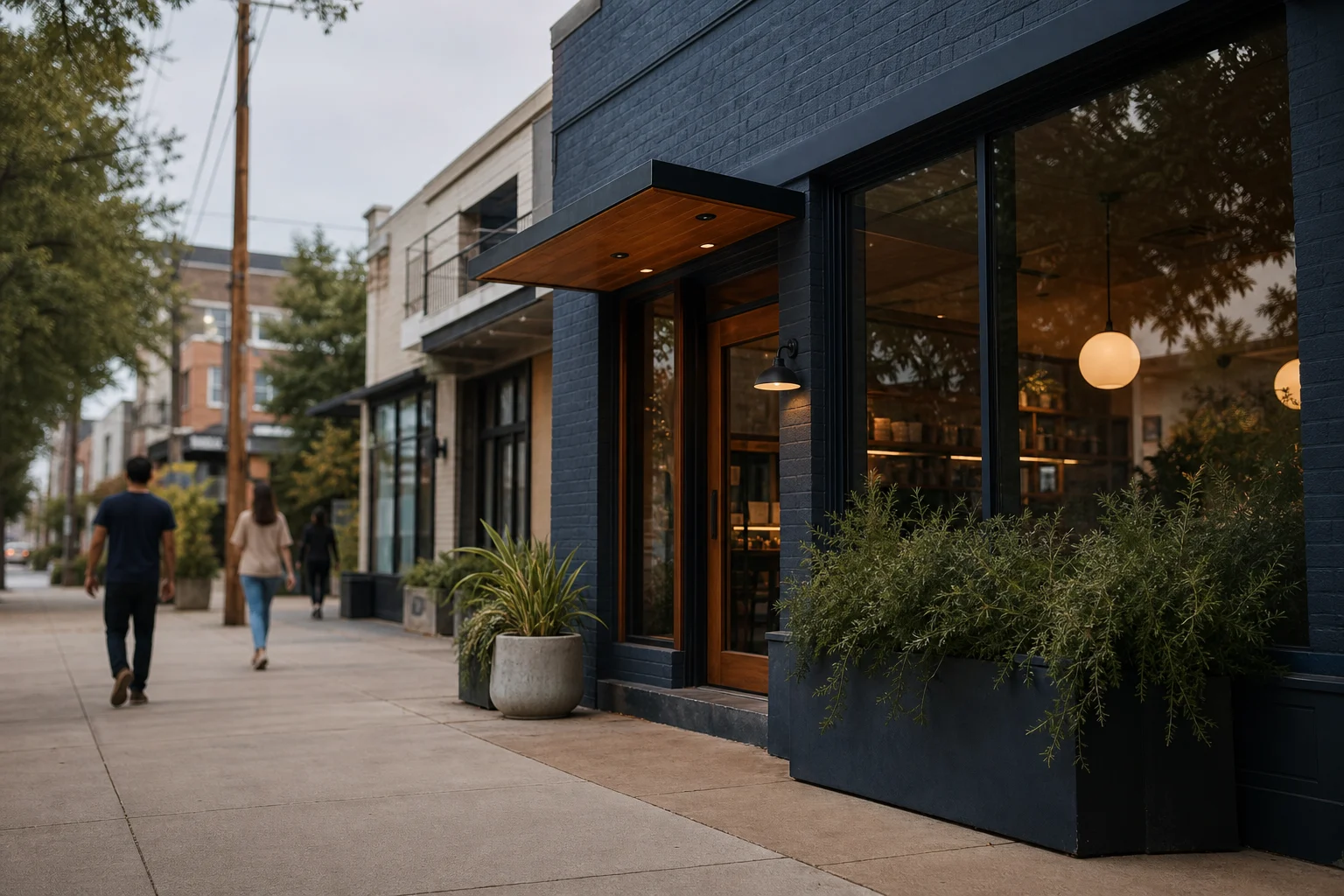
Main startup cost categories
The startup cost stack for a juice and smoothie bar in Seattle includes several major categories. Rent represents your largest fixed cost, followed by buildout and equipment expenses. Payroll for your initial team, opening inventory, permits and licenses, and cash reserves to sustain operations until profitability complete the picture. Each category carries its own cost pressures and requires validation before committing significant capital.
Rent and lease assumptions in Seattle
Rent levels vary across Seattle's neighborhoods, with Eastlake / Cascade offering the most competitive rates at roughly $30-50/sqft NNN. Capitol Hill commands premium pricing at roughly $45-70/sqft NNN, justified by its dense walkable environment and retail anchor density. Madrona / Leschi provides the most affordable option at roughly $30-50/sqft NNN, making it attractive for budget-conscious operators.
Eastlake / Cascade edges South Lake Union's Amazon campus with a maxed-out office index and strong morning/lunch daypart scores. No direct juice-smoothie competitors exist within this area — zero incumbent to displace. The residential density is strong too, giving you weekend backup beyond the weekday office crowd.
Capitol Hill is Seattle's densest walkable neighborhood — maxed-out walkability, daytime population, and retail anchor density. There's one direct competitor, Emerald City Smoothie (3.8★, 139 reviews), which is beatable on quality and positioning. The premium rent reflects the high foot traffic potential.
Madrona / Leschi is a lakefront residential neighborhood with a tight, walkable commercial core along 34th Ave. No direct juice-smoothie competitors currently operate in this area. The rent is the most affordable on this list, making it an attractive option for operators prioritizing lower fixed costs.
Buildout, equipment, payroll, opening inventory, permits, and cash reserve
Buildout costs depend heavily on the condition of your space and your design vision. Equipment represents a significant capital investment, with commercial-grade blenders, juicers, refrigeration, and POS systems forming the backbone of your operations. Payroll must account for your initial team, including trained staff who understand both customer service and proper food handling.
Opening inventory requires careful planning to balance variety with freshness. Permits and licenses are non-negotiable requirements that vary by location and specific operations. Cash reserves are critical to sustain operations during the ramp-up period before reaching consistent profitability. Each of these categories carries cost pressures that must be carefully managed.

Lean vs moderate vs generous launch budgets
A lean launch budget prioritizes essential equipment and minimal buildout, often utilizing existing infrastructure with targeted improvements. This approach reduces initial capital requirements but may limit operational flexibility and customer experience. A moderate budget allows for quality equipment and thoughtful design without excessive customization. A generous budget enables premium equipment, extensive buildout, and comprehensive staffing, positioning the business for immediate impact in the market.
The appropriate budget level depends on your specific location, target market, and growth strategy. Eastlake / Cascade's lower rent levels may support a more moderate approach, while Capitol Hill's premium rent might require a leaner approach to overall startup costs. Madrona / Leschi's affordable rent provides flexibility for operators to invest in quality equipment and buildout.
What to validate before spending money
Before committing significant capital, validate your lease assumptions by confirming the quoted rent rates and understanding what's included in the NNN (Triple Net) lease terms. Buildout scope requires validation against your business model and customer experience goals. Equipment needs must be validated against your menu offerings and anticipated volume.
Payroll models should be validated against industry standards and local wage requirements. Opening inventory levels need validation against supplier relationships and perishable item management capabilities. Cash reserve requirements should be validated against realistic ramp-up scenarios and fixed cost coverage needs. Finally, engage local professionals to review your specific plans and identify any location-specific considerations.
FAQ
How much does it cost to open A Juice and Smoothie Bar in Seattle?
The exact total cost to open a juice and smoothie bar in Seattle cannot be estimated from the provided data. Startup costs vary significantly based on location, size, equipment quality, buildout scope, staffing levels, and operational approach. Before making financial commitments, validate your specific cost assumptions for rent, buildout, equipment, payroll, inventory, permits, and cash reserves based on your unique business plan and target market.
Last reviewed: 2026-05-08
Sources: U.S. Census Bureau ACS, LEHD LODES, Google Places, OpenStreetMap, Locavisor neighborhood scoring.
Methodology: Locavisor scores neighborhoods across demand, competition fit, rent fit, accessibility, and customer match. Scores reflect a snapshot of recent data and should be combined with on-the-ground research before lease decisions.
Disclaimer: This article provides informational content only and does not constitute legal, financial, accounting, or real-estate advice. Verify lease terms, licensing, local regulations, costs, and professional requirements with qualified local professionals before making business decisions.
Free preview shows top 3 neighborhoods. Full $9.99 report covers all 10 areas with personalized scoring + 90-day check-ins.
Informational only. Verify lease, licensing, local regulations, costs, and professional requirements with qualified local professionals.