Washington, DC · juice and smoothie bar
Cost to open a juice and smoothie bar in Washington
The cost to open a juice and smoothie bar in Washington, DC, is shaped by several key factors unique to the nation's capital. High rent, competitive labor market, and specific regulatory requirements create a challenging but potentially rewarding environment for entrepreneurs. Washington's status as a major employment center, home to numerous universities, and its dense population of health-conscious professionals make it an attractive market for fresh juice and smoothie concepts. However, these advantages come with significant cost implications that founders must carefully consider before committing capital.
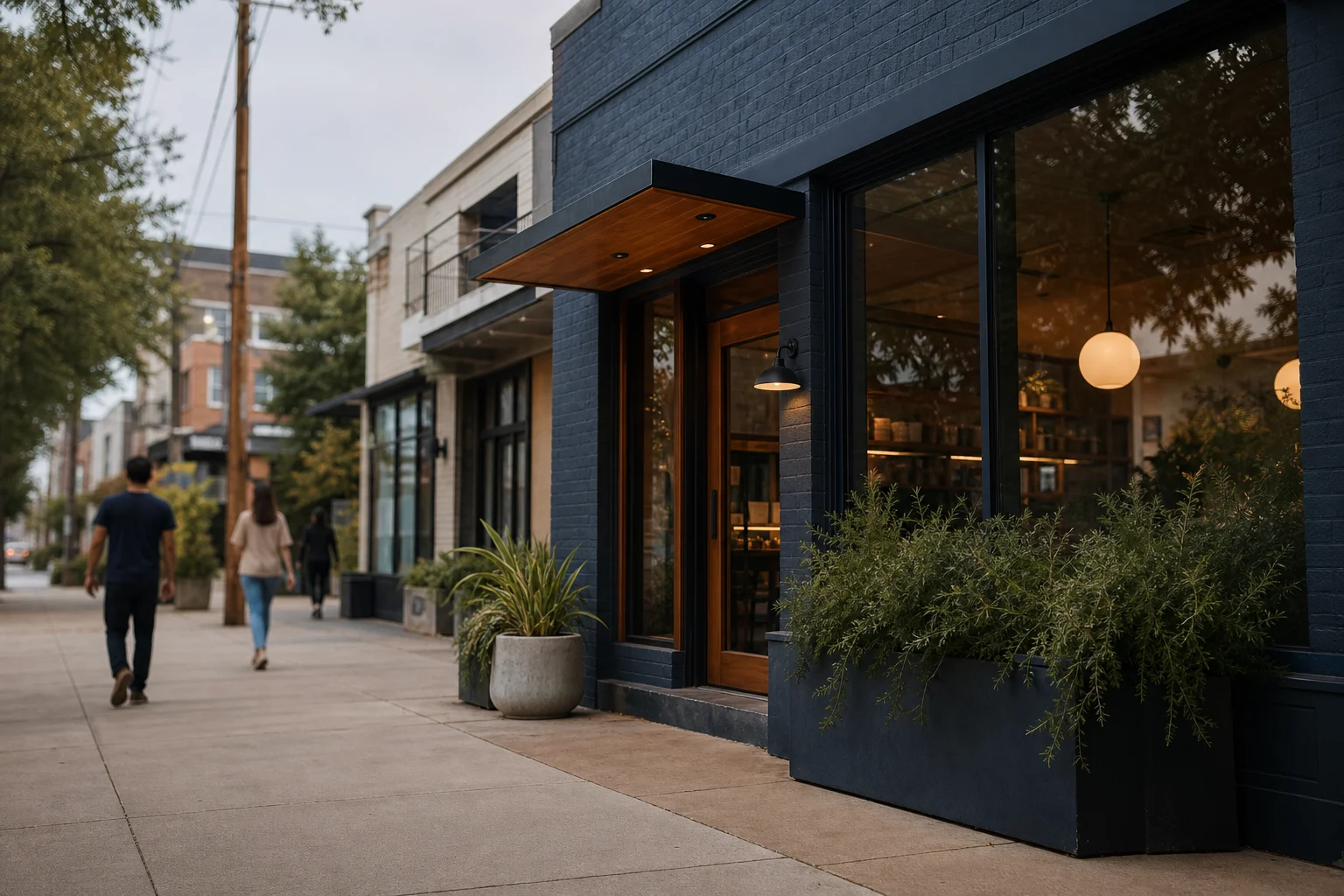
What does it cost to open a juice and smoothie bar in Washington?
The specific cost to open a juice and smoothie bar in Washington varies widely depending on location, size, and concept. Washington, DC presents a unique market with premium real estate costs and specific operational requirements. Founders need to account for location-specific factors including rent bands that typically range from $35-$85/sqft/yr NNN across the most desirable neighborhoods. The cost structure differs significantly from other DC markets due to the concentration of high-income professionals, students, and government workers who may be willing to pay premium prices for quality products but also expect exceptional service and convenient locations.
Major cost categories
Lease deposit and first/last month
Securing a suitable location in Washington requires careful financial planning. Lease deposits and first/last month payments represent significant upfront costs that can vary dramatically based on neighborhood. In top-rated areas like Foggy Bottom / GWU (overall score 8.8/10), Dupont Circle (7.3/10), and Logan Circle (7.2/10), rent bands typically fall within the $35-$85/sqft/yr NNN range. These neighborhoods command premium pricing due to their proximity to major employers, universities, and transit hubs. Founders should budget accordingly for security deposits that often equal one to three months' rent, plus the first and last month's payment before signing any lease agreement.
Tenant improvements and buildout
Tenant improvements and buildout costs represent a substantial portion of startup expenses. Washington's commercial spaces often require significant modifications to accommodate juice and smoothie bar operations, including specialized plumbing for produce storage, refrigeration systems, and customer-facing service areas. The condition of the space and local building codes will heavily influence these costs. In neighborhoods like Embassy Row / Massachusetts Ave (7.1/10) and Chevy Chase DC (6.9/10), where rent bands also fall within the $35-$85/sqft/yr NNN range, buildout requirements may differ based on the existing infrastructure and zoning regulations specific to each area.
Equipment and furniture
Outfitting a juice and smoothie bar requires specialized equipment that can represent a major capital investment. High-quality blenders, juicers, refrigeration units, and point-of-sale systems are essential for efficient operations. The specific equipment needs will depend on the concept-whether focusing on cold-pressed juices, smoothies, or a combination of both. Washington's market may demand certain equipment standards to meet customer expectations for freshness and quality. Founders should research local suppliers and consider both new and refurbished options to manage costs while maintaining operational efficiency.
Licenses, permits, and insurance
Navigating Washington's regulatory landscape requires careful attention to licensing and permitting requirements. Juice and smoothie bars must obtain appropriate food service licenses, health department permits, and potentially specialized certifications depending on their product offerings. Insurance costs, including liability and property coverage, add another layer of expense. The District of Columbia has specific requirements that may differ from other jurisdictions, so founders should consult with local authorities early in the planning process to understand all necessary permits and associated fees.
Initial inventory or supplies
Stocking initial inventory and supplies represents a significant upfront cost that varies based on the bar's concept and size. Fresh produce, packaging materials, cleaning supplies, and other operational necessities require careful budgeting. Washington's market may have specific preferences or demands that influence inventory decisions, such as organic ingredients or locally-sourced products. Founders should develop relationships with suppliers early to negotiate favorable terms and ensure consistent product availability.
Pre-opening payroll and training
Hiring and training staff before opening represents another major cost category. Washington's competitive labor market means founders may need to offer competitive wages to attract qualified employees. Training programs, especially for specialized equipment or customer service protocols, require time and resources. The timing of hiring relative to the opening date can significantly impact these costs, as founders must balance having sufficient staff ready for launch without incurring unnecessary payroll expenses.
Working capital reserve
Establishing a working capital reserve is crucial for covering operational expenses during the initial months of business when revenue may be inconsistent. Washington's market may have seasonal variations or slower periods that require additional financial cushioning. A typical working capital reserve should cover at least three to six months of operating expenses, including rent, payroll, utilities, and inventory costs. This reserve provides flexibility to adapt to unexpected challenges and capitalize on growth opportunities.
How Washington compares to other DC markets
Washington, DC presents a unique cost profile compared to other DC markets. The concentration of high-income professionals, students, and government workers creates both opportunities and challenges for juice and smoothie bar founders. While rent bands in top Washington neighborhoods typically range from $35-$85/sqft/yr NNN, similar areas in other parts of the District may offer different cost structures. The presence of major universities like The George Washington University and Georgetown creates a steady customer base but also increases competition. Washington's transit accessibility, with stations like Foggy Bottom-GWU and Dupont Circle, can drive foot traffic but may also come with higher rent expectations.
| Neighborhood | Locavisor Score | Rent Band (NNN) | Key Advantages |
|---|
What competition looks like in the top areas
The competitive landscape in Washington's top neighborhoods reveals both opportunities and challenges. In Foggy Bottom / GWU, Smoothie King operates with a 4.2-star rating from 217 reviews, indicating established customer demand. Dupont Circle hosts multiple competitors including JOE & THE JUICE (3.2 stars from 225 reviews), Pure Green - Juice Bar Dupont Circle (4.8 stars from 174 reviews), and Robeks Fresh Juices & Smoothies (4.4 stars from 120 reviews). Logan Circle features Pressed Juicery with a 4-star rating from 66 reviews. These established players demonstrate market viability but also highlight the need for differentiation. Customer reviews consistently praise service quality as warm and friendly, with no significant complaints about wait times. However, pricing perceptions vary, with some customers viewing offerings as excellent value while others consider them expensive relative to competitors.
Common cost overrun patterns
Several common cost overrun patterns can impact juice and smoothie bar startups in Washington. Underestimating buildout costs is a frequent issue, as older buildings may require unexpected structural modifications. Rent escalation clauses in leases can lead to higher than anticipated costs over time. Equipment breakdowns or the need for replacement units can strain budgets, especially if founders opt for lower-quality initial purchases. Inventory waste, particularly with perishable ingredients, can significantly impact margins if not carefully managed. Additionally, regulatory compliance costs may exceed initial estimates, particularly if changes in health codes or licensing requirements occur during the planning phase.
How to validate your number before committing capital
Validating cost assumptions is critical before committing significant capital. Founders should obtain multiple lease quotes to understand the true range of rental costs in their target neighborhoods. Consulting with local contractors experienced in food service buildouts can provide realistic estimates for tenant improvements. Researching equipment suppliers and obtaining quotes for both new and refurbished options helps establish accurate budget expectations. Speaking with existing juice and smoothie bar operators in Washington can offer valuable insights into hidden costs and operational realities. Developing detailed financial projections with conservative assumptions helps identify potential gaps in funding. Finally, consulting with local business advisors or mentors familiar with Washington's market can provide context for cost structures and help founders make informed decisions.

FAQ
Q: What are the most expensive neighborhoods for opening a juice and smoothie bar in Washington?
A: The most expensive neighborhoods for opening a juice and smoothie bar in Washington typically include Foggy Bottom / GWU (overall score 8.8/10), Dupont Circle (7.3/10), and Logan Circle (7.2/10), where rent bands commonly range from $35-$85/sqft/yr NNN. These areas command premium pricing due to their proximity to major employers, universities, and high foot traffic.
Q: How does Washington's cost structure compare to other parts of DC?
A: Washington's cost structure tends to be higher than many other DC neighborhoods due to its central location, transit accessibility, and concentration of high-income professionals. Rent bands in top Washington areas typically range from $35-$85/sqft/yr NNN, similar to other premium DC neighborhoods but with potentially higher demand-driven pricing.
Q: What are the biggest cost surprises for new juice and smoothie bar owners in Washington?
A: The biggest cost surprises often include unexpected buildout requirements for specialized plumbing and refrigeration, higher than anticipated insurance premiums due to Washington's regulatory environment, and the competitive labor market driving up payroll costs. Additionally, inventory waste and the need for premium ingredients to meet local customer expectations can significantly impact operational expenses.
Last reviewed: 2026-05-30
Sources: U.S. Census Bureau ACS, LEHD LODES, Google Places, OpenStreetMap, Locavisor neighborhood scoring.
Methodology: Locavisor scores neighborhoods across demand, competition fit, rent fit, accessibility, and customer match. Scores reflect a snapshot of recent data and should be combined with on-the-ground research before lease decisions.
Disclaimer: This article provides informational content only and does not constitute legal, financial, accounting, or real-estate advice. Verify lease terms, licensing, local regulations, costs, and professional requirements with qualified local professionals before making business decisions.
Free preview shows top 3 neighborhoods. Full $9.99 report covers all 10 areas with personalized scoring + 90-day check-ins.
Informational only. Verify lease, licensing, local regulations, costs, and professional requirements with qualified local professionals.