New Orleans, LA · laundromat
Cost to open a laundromat in New Orleans
The cost to open a laundromat in New Orleans depends heavily on location, property condition, and equipment choices. New Orleans presents unique opportunities and challenges for laundromat entrepreneurs, with its dense urban neighborhoods, tourist traffic, and specific local regulations. Understanding the cost structure requires examining neighborhood-specific factors, competition density, and operational requirements that differ from other markets.
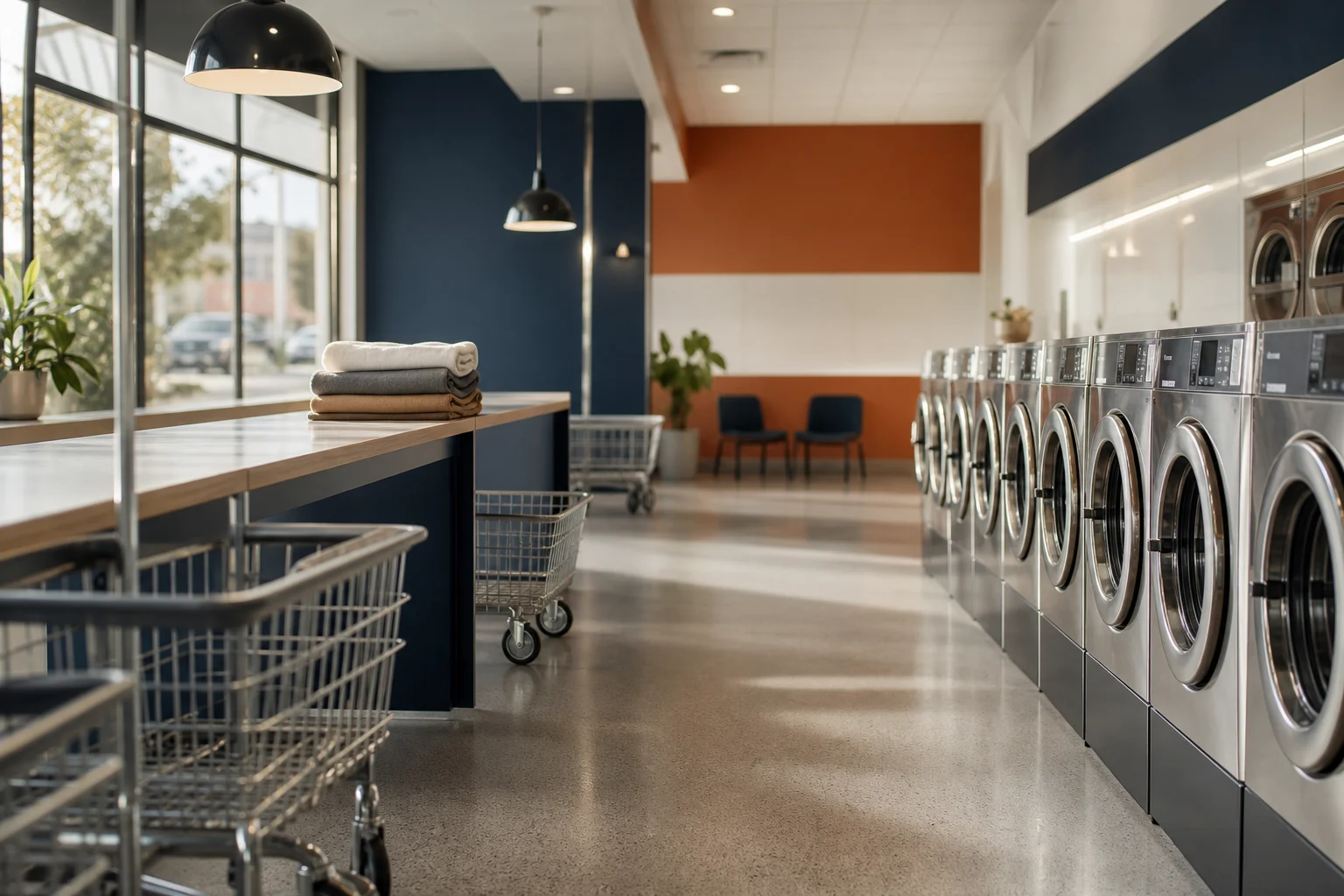
What does it cost to open a laundromat in New Orleans?
The answer to "What does it cost to open a laundromat in New Orleans?" varies significantly based on location and scale. New Orleans laundromat startup costs typically range from moderate to high, influenced by factors like rent bands, buildout requirements, and local competition. The city's top neighborhoods for laundromat operations include the CBD/Warehouse District, Magazine Street, French Quarter, Freret Street, and Tulane/Loyola Area, each with its own cost profile and customer base.
According to Locavisor research, these top neighborhoods all share similar rent bands of $12-$32/sqft/yr NNN (triple net), creating a competitive landscape for prime locations. The CBD/Warehouse District, with its overall score of 4.3/10, offers proximity to major anchors like Riverwalk Outlets and Canal Place, while Magazine Street (4.2/10) serves both residential and student populations near LSU Health Sciences Center. The French Quarter (4.2/10) presents opportunities to capture tourist laundry demand, though with potentially different customer expectations.
Major cost categories
Lease deposit and first/last month
The CBD/Warehouse District, with its higher overall score of 4.3/10, may command rents at the upper end of this range due to proximity to office buildings like Connect Hub Coworking at 400 Poydras Tower and transit options including Amtrak Station New Orleans. Magazine Street, with its mix of retail and residential, offers a slightly different demographic but similar rent structure. Landlords in these areas often require strong credit and multiple months of rent upfront, creating a significant barrier to entry.
Tenant improvements and buildout
Tenant improvements and buildout costs vary dramatically based on the condition of the space. In New Orleans's historic neighborhoods, many available properties require significant renovation to meet commercial standards. The CBD/Warehouse District, with its mix of older and newer buildings, often presents both opportunities and challenges for buildout. Landlords may offer tenant improvement allowances, but these are typically limited and require negotiation.
The French Quarter, with its historic architecture, may present unique buildout challenges due to preservation requirements and older infrastructure. Freret Street, home to businesses like The High Hat Cafe, offers a more modern commercial environment but still requires careful assessment of existing systems. The Tulane/Loyola Area, serving university populations, may have spaces designed for student housing that need conversion for commercial use.
Equipment and furniture
Equipment represents a substantial portion of laundromat startup costs. In New Orleans, where humidity and usage patterns differ from other climates, equipment selection requires careful consideration. High-efficiency washers and dryers that can handle frequent use and local water conditions are essential. The scale of equipment needed depends on the target customer base - tourist-heavy areas like the French Quarter may require more smaller machines, while residential neighborhoods might benefit from larger capacity units.
New Orleans's climate, with its humidity and potential for storm-related disruptions, may influence equipment choices toward more durable, water-resistant models. Energy efficiency becomes particularly important given the city's warm temperatures and potential for high air conditioning costs. The type of detergent dispensing systems, payment kiosks, and folding tables also impact the overall equipment budget.
Licenses, permits, and insurance
New Orleans requires specific licenses and permits for laundromat operations. These include business licenses, health department permits, and potentially special zoning approvals. Insurance costs vary based on location and coverage needs, with liability coverage being particularly important in high-traffic areas. The city's regulatory environment, while generally business-friendly, requires careful navigation to ensure all requirements are met before opening.
Permit processing times can vary, so factoring in potential delays is important for timeline planning. The city's Department of Safety and Permits handles many of these requirements, and working with a local attorney or consultant familiar with New Orleans regulations can help streamline the process. Insurance providers familiar with the local market may offer better rates and more appropriate coverage options.
Initial inventory or supplies
Initial inventory of detergents, fabric softeners, and other supplies represents a smaller but necessary startup cost. In New Orleans, where customer preferences may include local or eco-friendly products, stocking the right mix of supplies requires market research. The initial inventory should account for opening demand plus a buffer for the first few months of operation.
Consider local preferences - New Orleans customers may respond well to regionally-branded or environmentally-friendly products. The tourist market may have different expectations than residential neighborhoods, requiring a diverse product offering. Inventory management systems should be in place from day one to track usage and plan for restocking.
Pre-opening payroll and training
Pre-opening payroll covers staff training and preparation for launch. In New Orleans's service-oriented culture, well-trained staff can significantly impact customer satisfaction and repeat business. Training costs include both time and potential temporary help during the ramp-up period. The city's minimum wage and labor regulations must be factored into these calculations.
New Orleans's hospitality industry standards may influence customer expectations for service quality, making thorough staff training particularly important. The city's diverse population may require multilingual capabilities in some neighborhoods, adding to training complexity. Planning for adequate staffing during peak tourist seasons is crucial for maintaining service levels.
Working capital reserve
A working capital reserve is essential for covering unexpected costs and sustaining operations during the initial months. New Orleans businesses, like those in many tourist-dependent cities, may experience seasonal fluctuations in revenue. A reserve of a variable local timeline' operating expenses is typically recommended to weather these variations and unexpected challenges.
Hurricane season and other weather-related disruptions common in New Orleans make having adequate reserves even more critical. The city's event calendar, including Mardi Gras and Jazz Fest, creates predictable peaks and valleys in customer traffic that require financial planning. Unexpected equipment repairs or regulatory changes can also impact cash flow.
How New Orleans compares to other LA markets
New Orleans presents a unique cost profile compared to other Louisiana markets. While rent bands in top New Orleans neighborhoods ($12-$32/sqft/yr NNN) are comparable to other urban Louisiana areas, the tourist traffic and higher cost of living can impact operational expenses. Unlike smaller Louisiana cities, New Orleans requires consideration of seasonal demand patterns and potentially higher utility costs due to humidity and climate control needs.
Baton Rouge and Shreveport may offer lower rent bands but lack the tourist traffic that can supplement laundromat revenue in New Orleans. Lafayette's oil and gas industry creates a different economic environment with potentially different customer needs. New Orleans's status as a tourist destination creates both opportunities and challenges not present in other Louisiana markets.
What competition looks like in the top areas
Competition in New Orleans's top laundromat neighborhoods varies by location. The CBD/Warehouse District, with anchors like Riverwalk Outlets and Canal Place, sees significant foot traffic but also faces competition from hotel laundry services. Magazine Street, home to LSU Health Sciences Center, presents opportunities to serve both students and local residents. The French Quarter, while tourist-heavy, may have different customer expectations and pricing sensitivity.
Freret Street, with The High Hat Cafe and local businesses, serves a neighborhood customer base with potentially different laundry habits than tourists. The Tulane/Loyola Area, with two major universities, presents opportunities to serve student populations with specific laundry needs and schedules. Understanding the existing competition in each neighborhood helps determine pricing strategies and service differentiators.
Common cost overrun patterns
Common cost overruns in New Orleans laundromat startups often relate to unexpected buildout requirements in older buildings and underestimated equipment needs. The city's historic architecture, while charming, can hide structural issues that only appear during renovation. Additionally, New Orleans's humidity and water conditions may require more robust equipment than initially planned.
Hurricane preparedness and flood mitigation can add unexpected costs, particularly in lower-lying neighborhoods. The city's unique regulatory environment may also present surprises, with specific requirements for commercial laundry operations that differ from other cities. Underestimating utility costs, particularly for air conditioning and dehumidification in the hot, humid climate, is another frequent oversight.
How to validate your number before committing capital
Validating cost assumptions requires thorough due diligence. This includes obtaining firm quotes for equipment, verifying rent terms with multiple properties, and researching local contractor costs. In New Orleans, talking to existing laundromat operators (where possible) and understanding the specific challenges of each neighborhood can provide valuable insights.
Reviewing actual utility costs for similar spaces and understanding local labor market rates are critical validation steps. The city's Business Alliance and local chamber of commerce can provide connections to other business owners. Attending city council meetings and understanding the regulatory landscape helps anticipate potential compliance costs.
| Cost Category | Key Considerations in New Orleans | Validation Steps |
|---|---|---|
| Lease Costs | Rent bands $12-$32/sqft/yr NNN; a variable local timeline deposit | Get 3+ property quotes; negotiate TI allowance |
| Buildout | Historic building challenges; humidity considerations | Hire architect for existing conditions assessment |
| Equipment | Humidity resistance; tourist vs local demand | Consult local suppliers; visit competitor locations |
| Permits | City-specific requirements; potential delays | Meet with Dept of Safety and Permits; hire local consultant |
| Inventory | Local product preferences; tourist vs resident needs | Survey target demographics; visit existing laundromats |
| Staffing | Service expectations; seasonal variations | Research local wage rates; talk to hospitality businesses |

FAQ
Q: What are the most expensive neighborhoods to open a laundromat in New Orleans? A: The CBD/Warehouse District, Magazine Street, French Quarter, Freret Street, and Tulane/Loyola Area all have rent bands of $12-$32/sqft/yr NNN, making them similarly priced at the upper end of the market.
Q: Do I need special permits to open a laundromat in New Orleans? A: Yes, you'll need business licenses, health department permits, and potentially special zoning approvals. The city requires compliance with specific regulations for commercial laundry operations, and processing times can vary.
Q: How does tourist traffic affect laundromat costs and revenue in New Orleans? A: Tourist-heavy areas like the French Quarter may see higher per-transaction revenue but also face seasonal fluctuations. Equipment durability and customer service training become particularly important in these locations, and pricing strategies may need to account for visitor expectations.
Last reviewed: 2026-05-30
Sources: U.S. Census Bureau ACS, LEHD LODES, Google Places, OpenStreetMap, Locavisor neighborhood scoring.
Methodology: Locavisor scores neighborhoods across demand, competition fit, rent fit, accessibility, and customer match. Scores reflect a snapshot of recent data and should be combined with on-the-ground research before lease decisions.
Disclaimer: This article provides informational content only and does not constitute legal, financial, accounting, or real-estate advice. Verify lease terms, licensing, local regulations, costs, and professional requirements with qualified local professionals before making business decisions.
Free preview shows top 3 neighborhoods. Full $9.99 report covers all 10 areas with personalized scoring + 90-day check-ins.
Informational only. Verify lease, licensing, local regulations, costs, and professional requirements with qualified local professionals.