Philadelphia, PA · laundromat
Cost to open a laundromat in Philadelphia
Opening a laundromat in Philadelphia presents unique cost considerations shaped by the city's dense urban environment, specific neighborhood dynamics, and local market conditions. The cost structure varies significantly based on location, property condition, and the scale of your operation. Philadelphia's commercial real estate market, particularly in desirable neighborhoods, creates one of the primary cost pressures for new laundromat ventures.
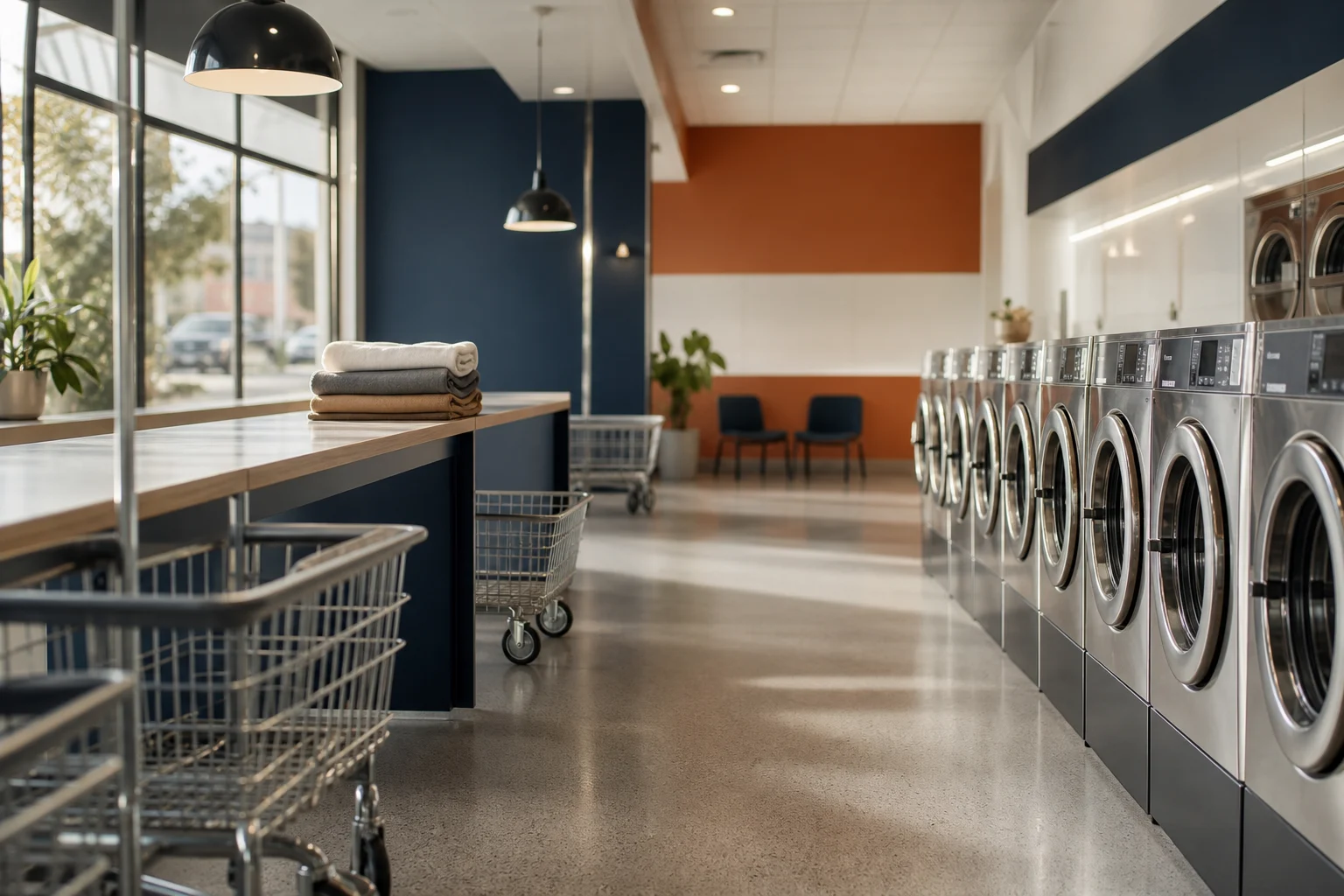
What does it cost to open a laundromat in Philadelphia?
The total investment required to open a laundromat in Philadelphia depends on multiple factors including location, property condition, equipment selection, and local regulatory requirements. Unlike many business types, laundromats require substantial upfront capital for equipment, buildout, and working capital. The Philadelphia market presents both opportunities and challenges that directly impact your startup budget.
Major cost categories
Lease deposit and first/last month
Your largest upfront cash requirement will typically be the security deposit and first/last month's rent. In Philadelphia's competitive commercial real estate market, expect to pay a variable local timeline' rent as a security deposit plus the first month's payment before taking possession. The rent bands in top Philadelphia neighborhoods range from $21-$70/sqft/yr NNN, with higher-end locations commanding premium rates. For example, Powelton Village, with an overall score of 6.4/10, falls within this rent band and offers proximity to major anchors like The Shops at Liberty Place and The Wharton School.
Tenant improvements and buildout
Most laundromat spaces require significant tenant improvements to accommodate heavy machinery, proper plumbing, and customer flow. The condition of your selected property will dramatically impact these costs. Older buildings may need substantial electrical upgrades, plumbing modifications, and floor reinforcement to support industrial washers and dryers. Your buildout budget should account for demolition, new construction, and compliance with local building codes.
Equipment and furniture
Laundromat equipment represents a major capital expenditure. This includes commercial washers, dryers, folding tables, seating, and payment systems. The scale of your operation determines equipment costs, with larger facilities requiring more machines and potentially higher-capacity models. Quality commercial laundry equipment typically has a lifespan of a variable local timeline, making this a long-term investment decision.
Licenses, permits, and insurance
Philadelphia requires specific business licenses and permits to operate a laundromat. You'll need a general business license from the city, potentially a health department permit, and compliance with local zoning regulations. Insurance costs include property insurance, liability coverage, and workers' compensation if you plan to hire employees. These ongoing costs should be factored into your monthly operating budget.
Initial inventory or supplies
Your startup inventory should include laundry supplies, change machines, and cleaning products. The initial investment depends on your business model-whether you sell detergents, fabric softeners, or offer them for free to customers. Consider stocking a range of products that appeal to your target demographic and price them competitively with local competitors.
Pre-opening payroll and training
If you plan to hire staff, budget for pre-opening payroll including training periods. Even if you start as a sole operator, allocate time and resources for training on equipment maintenance, customer service, and basic business operations. The learning curve for laundry equipment and customer management requires preparation before your grand opening.
Working capital reserve
A working capital reserve of a variable local timeline' operating expenses is essential for weathering slow periods and unexpected costs. Philadelphia's seasonal variations and economic cycles can impact customer traffic, making this reserve particularly important for new businesses.
How Philadelphia compares to other PA markets
Philadelphia's commercial real estate costs generally exceed those in smaller Pennsylvania cities but may be more affordable than comparable markets in New York or Boston. The city's dense population and steady rental demand create a competitive leasing environment. Compared to rural Pennsylvania locations, Philadelphia offers higher customer volume potential but at the expense of higher rent and potentially more regulatory requirements.
What competition looks like in the top areas
Philadelphia's top neighborhoods for laundromats, according to Locavisor scoring, include Powelton Village (6.4/10), University City (5.8/10), Mt Airy (5.5/10), Brewerytown (5.5/10), and Chestnut Hill (5.4/10), all with rent bands of $21-$70/sqft/yr NNN. These areas feature established laundromats like Spring Garden Laundromat in Powelton Village (3.7 stars from 41 reviews) and multiple options in Brewerytown including The Clothing Spa Laundromat (4 stars from 33 reviews), Wash-N-Dry Laundromat (4.1 stars from 30 reviews), Fabric Care Laundromat, and Boot's Coin Op Laundromat (2.7 stars from 17 reviews).
The competitive landscape varies by neighborhood. University City, with anchors like uCity Square and University of Pennsylvania, shows consistent demand but also higher rent expectations. Brewerytown presents opportunities in a developing area with existing laundromat operators, while Chestnut Hill's Market Square and educational institutions create steady customer flow.
| Neighborhood | Locavisor Score | Rent Band | Key Anchors | Competition Density |
|---|---|---|---|---|
| Powelton Village | 6.4/10 | $21-$70/sqft/yr NNN | The Shops at Liberty Place, University of Pennsylvania | Moderate |
| University City | 5.8/10 | $21-$70/sqft/yr NNN | uCity Square, Saint Joseph's University | High |
| Mt Airy | 5.5/10 | $21-$70/sqft/yr NNN | Market Square, United Lutheran Seminary | Moderate |
| Brewerytown | 5.5/10 | $21-$70/sqft/yr NNN | Sullivan Progress Plaza, Community Partnership School | High |
| Chestnut Hill | 5.4/10 | $21-$70/sqft/yr NNN | Market Square, Chestnut Hill College | Moderate |
Common cost overrun patterns
Many laundromat startups experience cost overruns in several key areas. Equipment purchases often exceed initial budgets when accounting for installation, warranties, and necessary accessories. Buildout costs can escalate due to unexpected structural issues or code compliance requirements. Philadelphia's older building stock sometimes reveals hidden problems during renovation. Additionally, permit delays can create carrying costs and push back your opening timeline, affecting your revenue projections.
How to validate your number before committing capital
Before finalizing your budget, conduct thorough due diligence on several fronts. Research comparable lease rates in your target neighborhood by contacting local commercial real estate brokers. Obtain multiple equipment quotes to understand market pricing and warranty options. Consult with a Philadelphia-based contractor experienced in laundromat buildouts to validate your construction budget. Research local utility rates, as laundry operations consume significant water and electricity. Finally, speak with existing laundromat owners in Philadelphia to understand real-world operating costs and challenges.

FAQ
Q: What's the average square footage needed for a profitable laundromat in Philadelphia?
A: Profitable laundromats in Philadelphia typically range from 1,500 to 3,000 square feet, depending on location and customer density. Smaller spaces work in high-traffic areas with limited competition, while larger facilities may be necessary in neighborhoods with higher population density but more existing laundromats.
Q: How do Philadelphia's utility costs impact laundromat profitability?
A: Philadelphia's utility rates, particularly for water and electricity, represent significant operating expenses. Energy-efficient equipment can reduce long-term costs, and some operators negotiate special commercial rates with providers. The city's tiered pricing structure means larger operations face higher per-unit costs, making efficiency improvements crucial for profitability.
Q: Are there specific Philadelphia neighborhoods where laundromats perform better?
A: Neighborhoods with high residential density, limited existing laundromats, and strong anchor institutions (universities, hospitals, transit hubs) tend to support successful laundromats. Areas like Powelton Village and University City, with their educational institutions and steady foot traffic, often provide consistent customer bases, though competition may be more intense.
Last reviewed: 2026-05-30
Sources: U.S. Census Bureau ACS, LEHD LODES, Google Places, OpenStreetMap, Locavisor neighborhood scoring.
Methodology: Locavisor scores neighborhoods across demand, competition fit, rent fit, accessibility, and customer match. Scores reflect a snapshot of recent data and should be combined with on-the-ground research before lease decisions.
Disclaimer: This article provides informational content only and does not constitute legal, financial, accounting, or real-estate advice. Verify lease terms, licensing, local regulations, costs, and professional requirements with qualified local professionals before making business decisions.
Free preview shows top 3 neighborhoods. Full $9.99 report covers all 10 areas with personalized scoring + 90-day check-ins.
Informational only. Verify lease, licensing, local regulations, costs, and professional requirements with qualified local professionals.