Seattle, WA · laundromat
Cost to open a laundromat in Seattle
Opening a laundromat in Seattle requires careful planning of your startup costs. The market temperature is promising, with medium competition density and low rent levels making it an attractive option for entrepreneurs. This guide breaks down the practical startup-cost stack for a laundromat in Seattle, covering rent, buildout, equipment, permits, hiring, launch cash, and common cost traps.
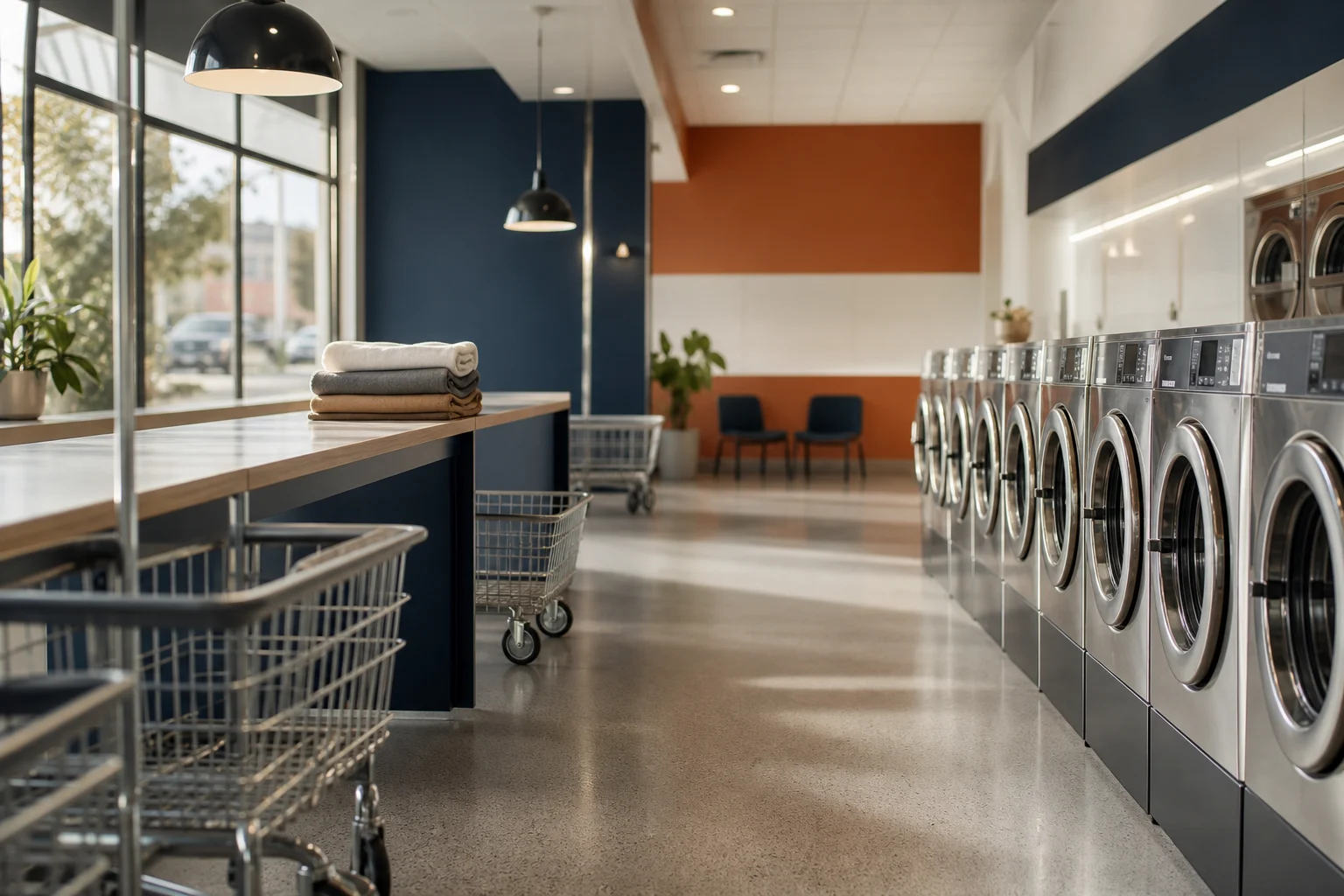
Main startup cost categories
When planning your laundromat startup in Seattle, you'll need to account for several key cost categories. Each category requires careful consideration and validation before committing funds. The primary cost areas include:
- Rent and lease assumptions
- Buildout and construction
- Equipment purchases
- Permits and licensing
- Payroll and staffing
- Opening inventory
- Cash reserves for unexpected expenses
Understanding these categories helps you create a realistic budget and avoid common pitfalls that could derail your business before it even launches.
Rent and lease assumptions in Seattle
Seattle offers several promising neighborhoods for a laundromat, with the U-District (University District) ranking highest at 7.0/10 according to Locavisor neighborhood scoring. The rent level in Seattle is low, which benefits your startup budget.
The top three areas for a laundromat in Seattle are:
U-District (University District) (7.0/10) — U-District ranks #1 for a laundromat — zero direct competitors, massive student + residential density, and strong late-night activity. Rent is manageable for a medium-budget operator at roughly $30-50/sqft NNN. The customer base skews young and transient — ideal for self-service laundry with a wash-and-fold drop-off add-on.
Wallingford (6.7/10) — Wallingford offers a strong residential base with good walkability and one existing laundromat — Wallingford Laundromat (4.0★, 25 reviews) — that operates only 11 AM–4 PM weekdays and is closed weekends. That's a clear service gap you can exploit with extended hours and wash-and-fold.
Roosevelt (6.3/10) — Roosevelt is a growing corridor anchored by a light rail station and Roosevelt Square. No laundromat competitors exist. The residential base is solid and the area is emerging — but daytime office traffic is moderate and late-night activity is weaker than U-District or Wallingford.
When evaluating potential locations, consider not just the rent but also the customer demographics, competition (or lack thereof), and operating hours that would best serve the neighborhood.
Buildout, equipment, payroll, opening inventory, permits, and cash reserve
Your buildout costs will depend on the condition of the space and your desired aesthetic. Seattle's commercial real estate market offers opportunities to find spaces that require minimal renovation, potentially reducing your initial investment.
Equipment represents one of your largest capital expenditures. Consider the mix of washers and dryers you'll need, including various sizes to accommodate different customer needs. Energy-efficient models may have higher upfront costs but lower operating expenses over time.
Payroll costs will vary based on your staffing model. Many laundromats operate with minimal staff, especially if you implement self-service options and payment systems that reduce the need for constant supervision.
Opening inventory includes supplies like detergent, fabric softener, and other laundry essentials. These items represent a smaller but necessary startup cost.
Permits and licensing requirements in Seattle must be factored into your budget. The specific permits needed will depend on your location and business model.
Cash reserves are critical for unexpected expenses that inevitably arise during the startup phase. Having a financial cushion can help you navigate challenges without derailing your business plan.
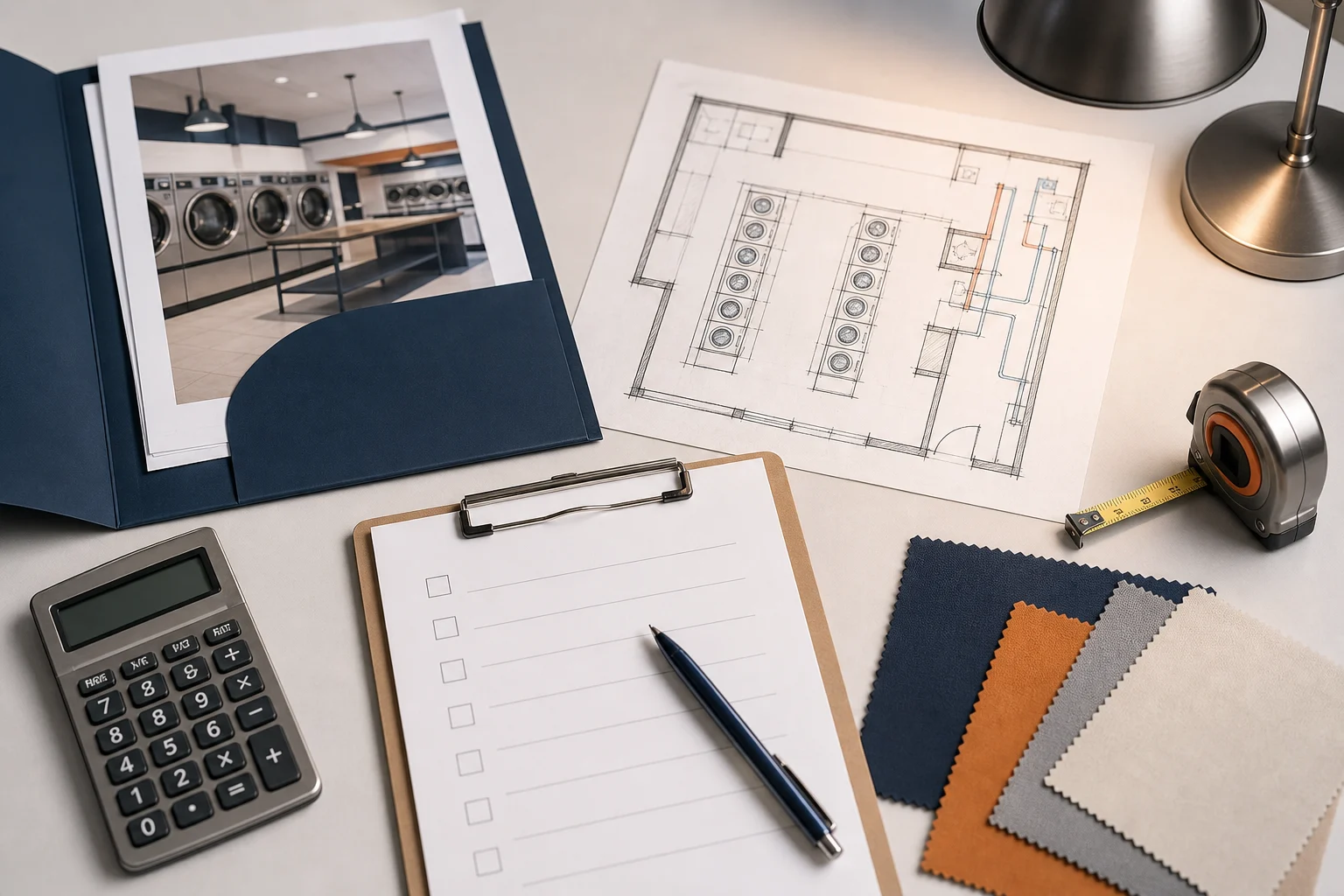
Lean vs moderate vs generous launch budgets
When planning your laundromat startup in Seattle, you have flexibility in how you allocate your budget. A lean approach might focus on essential equipment with minimal amenities, while a moderate budget could include additional features like wash-and-fold services or premium payment systems. A generous launch budget might allow for high-end equipment, extensive buildout, and multiple revenue streams.
The U-District's rent level of $30-50/sqft NNN provides opportunities for different budget approaches. With zero direct competitors in the area, you have flexibility to position your business according to your target market and financial capacity.
Consider how your budget aligns with the neighborhood's characteristics. The U-District's young, transient customer base might respond well to modern amenities and extended hours, while Wallingford's residential base might value reliability and convenience.
What to validate before spending money
Before committing significant funds to your laundromat startup, validate several key assumptions:
Lease assumptions: Ensure the space meets your needs in terms of size, layout, and location. Verify the terms of the lease, including rent increases and maintenance responsibilities.
Buildout scope: Get detailed quotes for any necessary renovations and confirm that the space can accommodate your equipment and operational needs.
Equipment list: Research equipment options thoroughly and consider both purchase and leasing options. Verify that your chosen equipment meets Seattle's regulations and energy efficiency standards.
Payroll model: Determine your staffing needs and calculate labor costs based on Seattle's wage requirements and your expected hours of operation.
Opening inventory: Calculate the initial inventory needed and establish relationships with suppliers to ensure consistent availability.
Cash reserve: Determine an appropriate amount for unexpected expenses based on your specific circumstances and risk tolerance.
Local professional review: Consult with local professionals, including attorneys, accountants, and business advisors who understand Seattle's market and regulations.
Validating these assumptions can help you avoid costly mistakes and ensure your laundromat startup is positioned for success.
FAQ
How much does it cost to open A Laundromat in Seattle?
The exact total cost to open a laundromat in Seattle cannot be estimated from the provided data. Startup costs vary significantly based on factors such as location, size, equipment quality, buildout requirements, and business model. To determine your specific startup costs, you'll need to validate several variables including lease terms, equipment purchases, buildout expenses, permit fees, staffing needs, and inventory requirements. The U-District offers rent at roughly $30-50/sqft NNN, which provides a starting point for your budget planning, but many other factors will influence your total investment.
Last reviewed: 2026-05-08
Sources: U.S. Census Bureau ACS, LEHD LODES, Google Places, OpenStreetMap, Locavisor neighborhood scoring.
Methodology: Locavisor scores neighborhoods across demand, competition fit, rent fit, accessibility, and customer match. Scores reflect a snapshot of recent data and should be combined with on-the-ground research before lease decisions.
Disclaimer: This article provides informational content only and does not constitute legal, financial, accounting, or real-estate advice. Verify lease terms, licensing, local regulations, costs, and professional requirements with qualified local professionals before making business decisions.
Free preview shows top 3 neighborhoods. Full $9.99 report covers all 10 areas with personalized scoring + 90-day check-ins.
Informational only. Verify lease, licensing, local regulations, costs, and professional requirements with qualified local professionals.