Washington, DC · laundromat
Cost to open a laundromat in Washington
Opening a laundromat in Washington, DC presents unique cost considerations shaped by the city's dense urban environment, high real estate values, and specific regulatory landscape. The capital city's market demands careful analysis of location, competition, and operational expenses to determine the true cost of entry. Washington's laundromat market is characterized by premium rent bands, specific neighborhood dynamics, and a customer base accustomed to high-quality service.
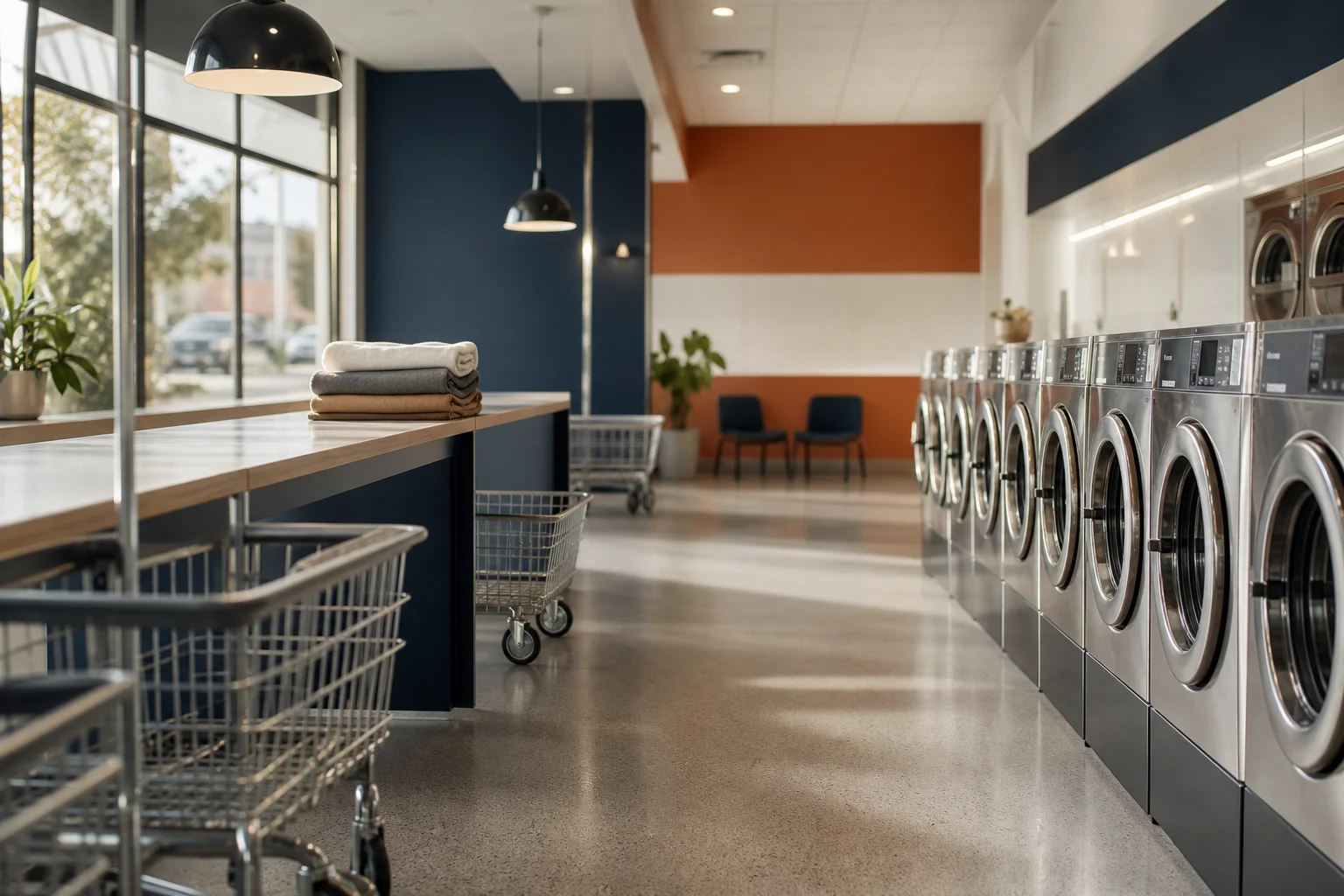
What does it cost to open a laundromat in Washington?
The cost to open a laundromat in Washington varies significantly based on location, size, and operational model. Washington's real estate market, particularly in desirable neighborhoods, commands premium rents that directly impact startup costs. The city's dense population and transient workforce create demand for laundry services, but this demand comes with higher operational expenses compared to other markets.
When evaluating the cost to open a laundromat in Washington, founders must consider several key factors: lease terms in high-demand neighborhoods, buildout requirements for commercial spaces, equipment investments, and compliance with local regulations. The city's commercial real estate market, with rent bands typically ranging from $35-$85/sqft/yr NNN across top neighborhoods, represents a substantial portion of the total startup investment.
Major cost categories
Lease deposit and first/last month
Founders should budget for potential negotiation of lease terms, including tenant improvement allowances and rent abatements. Washington's commercial real estate market often requires longer commitment periods, typically a variable local timeline, which impacts the total capital needed for lease-related expenses. The Foggy Bottom / GWU neighborhood, with its 7.3/10 Locavisor score, represents one of the most desirable locations but also comes with the highest rent expectations in the city.
Tenant improvements and buildout
Washington's older commercial buildings frequently require substantial tenant improvements to accommodate a modern laundromat. These improvements include plumbing upgrades for multiple washing machines and dryers, electrical system enhancements for high-power equipment, and modifications to meet ADA accessibility requirements. The condition of the space and its existing infrastructure significantly impact buildout costs.
Many landlords offer tenant improvement allowances, but these are often insufficient to cover the full cost of converting a raw space into a functional laundromat. Founders should budget for potential overruns, especially in historic buildings common in neighborhoods like Foggy Bottom / GWU and Dupont Circle. The $35-$85/sqft/yr NNN rent band in these areas often correlates with older building stock that may require more extensive renovations.
Equipment and furniture
Laundromat equipment represents a major capital expenditure, with costs varying based on the number and type of machines, as well as any additional amenities like folding stations, seating areas, or vending machines. Washington customers often expect modern, efficient equipment, which may come at a premium compared to standard models.
The equipment selection should align with the target customer base in your chosen neighborhood. For example, areas with student populations like Foggy Bottom / GWU near The George Washington University may benefit from smaller capacity machines, while family-oriented neighborhoods might require larger capacity units. The rent band in Chevy Chase DC, at $35-$85/sqft/yr NNN, suggests a customer base with higher disposable income that may expect premium equipment options.
Licenses, permits, and insurance
Washington, DC requires several permits and licenses to operate a laundromat, including business licenses, health permits, and potentially environmental permits depending on the equipment used. The District's regulatory environment is generally business-friendly but requires attention to detail to avoid delays or additional costs.
Insurance represents another significant expense, with liability coverage being particularly important given the nature of the business. Washington's legal environment may require higher coverage limits than other jurisdictions, impacting premium costs. Founders should consult with local insurance providers to understand the specific requirements for laundromat operations in the District.
Initial inventory or supplies
Starting inventory for a laundromat includes detergents, fabric softeners, and other laundry supplies. Washington customers often prefer eco-friendly or premium products, which can increase initial inventory costs. The inventory strategy should align with the neighborhood's demographic and price sensitivity.
Supplies may also include change machines, laundry bags, and other customer amenities. These items, while individually inexpensive, can add up quickly when outfitting a new laundromat. The customer review themes from Washington laundromats suggest that service quality and convenience are highly valued, which may justify investing in higher-quality supplies and amenities.
Pre-opening payroll and training
Hiring and training staff before opening requires careful cash flow management. Washington's competitive labor market means founders may need to offer competitive wages to attract qualified employees. Training programs should be comprehensive, covering equipment operation, customer service, and basic maintenance.
The timing of hiring is critical - too early and you risk burning through cash reserves, too late and you may not be fully prepared for opening day. The transient nature of Washington's population, including students and government workers, may require more flexible staffing models than other markets.
Working capital reserve
A working capital reserve is essential for covering operational expenses during the initial months when revenue may be below projections. Washington's high cost of living means operational expenses will be substantial, even with careful budgeting.
Experts recommend having at least a variable local timeline of operating capital available. This reserve helps manage cash flow during slow periods and provides flexibility to address unexpected expenses. The premium rent bands in Washington neighborhoods mean that even a well-managed laundromat may take longer to achieve profitability than in lower-cost markets.
How Washington compares to other DC markets
Washington's laundromat startup costs differ significantly from other DC markets due to its unique characteristics. The city's status as the nation's capital creates a transient population with high laundry demand but also commands premium real estate prices. Neighborhoods like Foggy Bottom / GWU, with its $35-$85/sqft/yr NNN rent band, represent some of the most expensive commercial real estate in the District.
Compared to suburban DC markets, Washington proper often has higher rent bands but also higher customer traffic and purchasing power. The trade-off between location premium and potential revenue must be carefully evaluated. For example, Ivy City's $35-$85/sqft/yr NNN rent band offers a potentially lower cost point than Foggy Bottom, but with different customer demographics and traffic patterns centered around Gallaudet University and the Amtrak facility.
The table below compares key Washington neighborhoods for laundromat viability:
| Neighborhood | Locavisor Score | Rent Band | Key Anchors |
|---|---|---|---|
| Foggy Bottom / GWU | 7.3/10 | $35-$85/sqft/yr NNN | Georgetown Park, GWU, Foggy Bottom-GWU Station |
| Chevy Chase DC | 6.1/10 | $35-$85/sqft/yr NNN | Chevy Chase Pavilion, American University |
| Ivy City | 5.9/10 | $35-$85/sqft/yr NNN | Gallaudet University, Amtrak Ivy City |
| H Street NE | 5.9/10 | $35-$85/sqft/yr NNN | Union Station, Hechinger Mall |
| Dupont Circle | 5.8/10 | $35-$85/sqft/yr NNN | CityCenterDC, Dupont Circle Metro |
What competition looks like in the top areas
Washington's laundromat market has established players in several neighborhoods. In H Street NE, Veterans Wash And Fold operates, though specific details about their pricing or service model aren't publicly available. The presence of existing laundromats indicates market demand but also means new entrants must differentiate themselves to capture market share.
The competitive landscape varies by neighborhood. Areas like Foggy Bottom / GWU, with its high student population, may favor laundromats offering extended hours and self-service options. In contrast, family-oriented neighborhoods might benefit from amenities like folding services or drop-off options. The customer base in Dupont Circle, with its proximity to CityCenterDC and multiple universities, may have different expectations than those in Ivy City near Gallaudet University.
Common cost overrun patterns
Several cost overrun patterns frequently impact laundromat startups in Washington. Underestimating buildout costs is common, especially when dealing with older buildings that require substantial plumbing or electrical upgrades. Washington's historic districts often have additional regulatory requirements that can increase construction time and expense.
Equipment costs frequently exceed initial budgets, particularly when founders opt for premium or energy-efficient models to meet customer expectations. The temptation to cut corners on equipment quality can lead to higher maintenance costs and customer dissatisfaction over time. The premium rent bands in Washington neighborhoods mean that customers may have higher expectations for equipment quality and reliability.
Permitting delays are another common issue, with Washington's regulatory process sometimes taking longer than anticipated. Founders should build buffer time into their opening schedule to accommodate potential delays in obtaining necessary approvals. The District's regulatory environment, while generally business-friendly, can be more complex than in surrounding jurisdictions.
How to validate your number before committing capital
Validating cost assumptions is critical before committing significant capital to a laundromat venture in Washington. Start by obtaining multiple lease quotes in your target neighborhood to understand the true range of rent bands. For example, Foggy Bottom / GWU's $35-$85/sqft/yr NNN range represents a substantial variation that could impact total costs.
Engage with local contractors to get realistic buildout estimates based on specific properties. Washington's construction market can be volatile, so getting multiple bids and understanding current market rates is essential. The condition of available spaces in your target neighborhood will significantly impact these estimates.
Research equipment costs thoroughly, including installation and maintenance contracts. Washington's commercial equipment suppliers can provide detailed quotes that help refine your budget. Consider the long-term maintenance costs, as premium equipment may have higher upfront costs but lower lifetime expenses.
Consult with local laundromat owners, like those operating in H Street NE, to understand real-world operating expenses and revenue patterns. Their insights can help calibrate your financial projections and identify potential cost-saving opportunities specific to Washington's market.

FAQ
What are the most expensive neighborhoods for laundromat real estate in Washington?
Foggy Bottom / GWU typically commands the highest rents for commercial space, with a rent band of $35-$85/sqft/yr NNN. This neighborhood's prime location near Georgetown Park and The George Washington University makes it one of Washington's most expensive commercial real estate markets.
How does Washington's regulatory environment impact laundromat startup costs?
Washington, DC requires several permits and licenses for laundromats, including business licenses and health permits. The regulatory process, while generally business-friendly, can add time and expense to the startup timeline. Founders should budget for potential delays and additional compliance costs associated with operating in the nation's capital.
What's the typical size for a profitable laundromat in Washington?
Profitable laundromats in Washington typically range from 1,500 to 3,000 square feet, depending on the neighborhood and customer base. Smaller spaces may struggle to accommodate sufficient equipment, while larger spaces increase rent and operational costs. The optimal size depends on the specific neighborhood's demand and rent band, with higher-scoring areas like Foggy Bottom potentially supporting larger facilities.
Last reviewed: 2026-05-30
Sources: U.S. Census Bureau ACS, LEHD LODES, Google Places, OpenStreetMap, Locavisor neighborhood scoring.
Methodology: Locavisor scores neighborhoods across demand, competition fit, rent fit, accessibility, and customer match. Scores reflect a snapshot of recent data and should be combined with on-the-ground research before lease decisions.
Disclaimer: This article provides informational content only and does not constitute legal, financial, accounting, or real-estate advice. Verify lease terms, licensing, local regulations, costs, and professional requirements with qualified local professionals before making business decisions.
Free preview shows top 3 neighborhoods. Full $9.99 report covers all 10 areas with personalized scoring + 90-day check-ins.
Informational only. Verify lease, licensing, local regulations, costs, and professional requirements with qualified local professionals.