Austin, TX · nail salon
Cost to open a nail salon in Austin
Austin's nail salon market presents unique cost pressures that founders need to understand before committing capital. The city's rapid growth, high demand for beauty services, and competitive real estate market create a complex landscape for new businesses. Understanding the specific cost drivers in Austin is essential for creating a realistic financial plan that accounts for local market conditions.
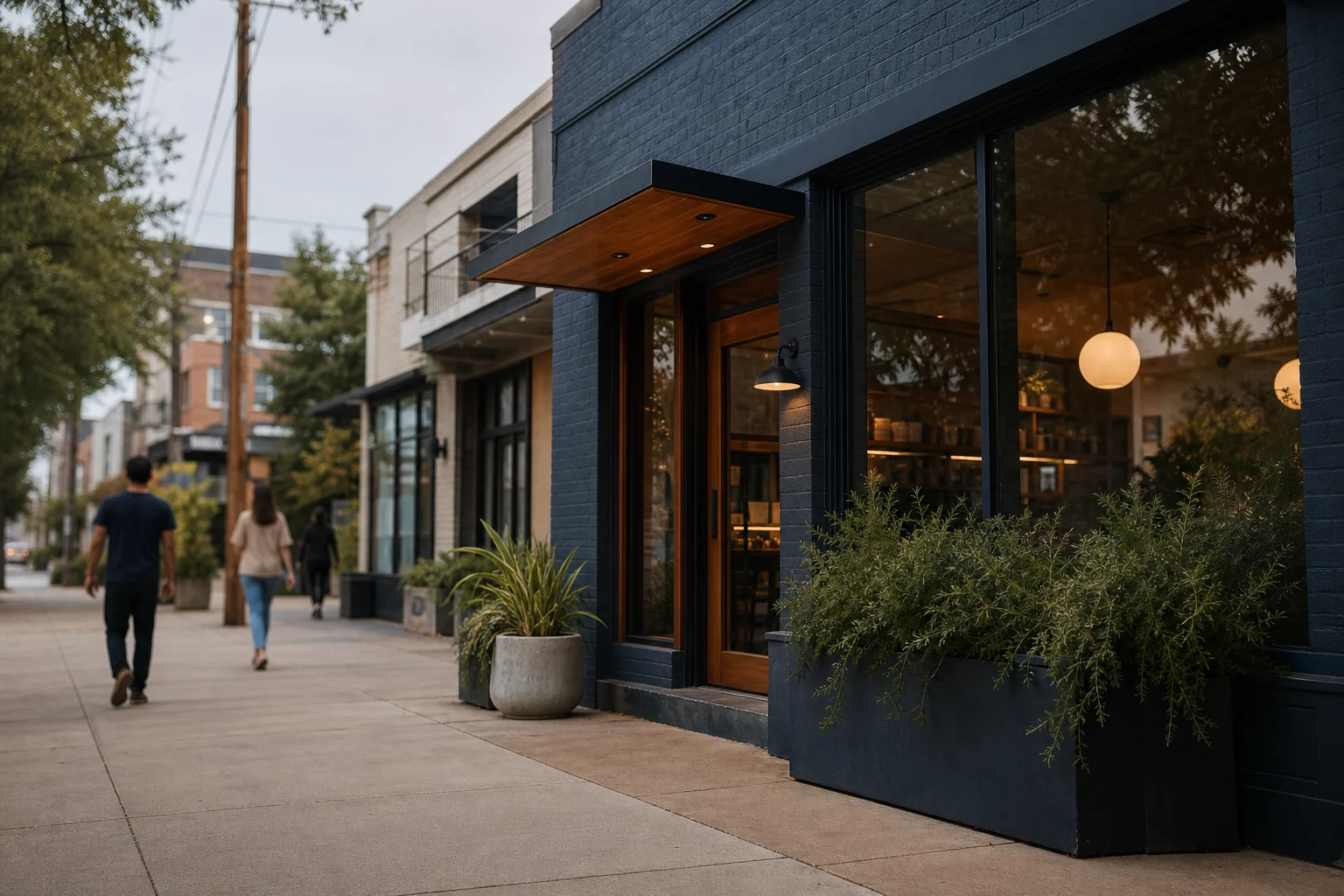
What does it cost to open a nail salon in Austin?
Major cost categories
Lease deposit and first/last month
Tenant improvements and buildout
Austin's older buildings may require substantial improvements to meet modern salon standards. The condition of the space you lease will dramatically impact your buildout costs. Some landlords offer tenant improvement allowances, but these are often limited and may not cover your full needs.
Consider the specific requirements of your nail salon: ventilation systems for chemical fumes, specialized plumbing for pedicure stations, and adequate electrical capacity for equipment. These improvements can add tens of thousands of dollars to your startup costs, depending on the condition of the space and the extent of renovations needed.
Equipment and furniture
Nail salon equipment includes manicure stations, pedicure chairs, sterilization equipment, drying stations, and reception furniture. The quality and quantity of equipment you choose will significantly impact your startup costs. Austin's market has several established competitors like M. Vince' Nail Spa, Domain Nails & Spa, and Caesar's Nails & Spa in the Domain / North Austin area, which may influence customer expectations for equipment quality and salon ambiance.
Licenses, permits, and insurance
Austin requires specific business licenses and permits for nail salons, including health department permits and cosmetology licenses. The Texas Department of Licensing and Regulation oversees cosmetology licensing, while the Austin Health and Human Services Department handles health permits. Insurance costs will vary based on your coverage needs but typically include general liability, property insurance, and workers' compensation.
Initial inventory or supplies
Your initial inventory should include nail polish, tools, disposable supplies, and other consumables. The variety and quality of products you stock will affect your upfront costs. Consider the product lines carried by competitors like Thunderbolt Nails in North Loop, Healthy Nails in Crestview / Brentwood, and Envy Nails Spa in Mueller when deciding on your inventory strategy.
Pre-opening payroll and training
Hiring and training staff before opening requires careful budgeting. Austin's competitive labor market means you may need to offer competitive wages to attract skilled nail technicians. Plan for at least a variable local timeline of payroll for your initial team before opening, plus training costs.
Working capital reserve
A working capital reserve is essential for covering operating expenses during your first few months of business. Austin's market may have seasonal fluctuations, and unexpected costs often arise during the startup phase. A reserve of a variable local timeline of operating expenses is recommended.
How Austin compares to other TX markets
Austin's commercial real estate costs are higher than many other Texas markets, particularly in the most desirable neighborhoods. The rent bands of $31-$60/sqft/yr NNN are consistent across Austin's top neighborhoods, reflecting the city's strong demand and limited available space. In comparison, markets like San Antonio or Dallas may offer lower rents but potentially different customer demographics and spending patterns.
The competitive landscape in Austin also means you'll need to invest more in marketing and customer acquisition to stand out among established players. Neighborhoods like Hyde Park, with competitors like TRIANGLE NAILS SPA, Adore Nail Lounge, and Nails By Crystal, demonstrate the density of existing businesses that new entrants must navigate.
What competition looks like in the top areas
Austin's top neighborhoods for nail salons each offer distinct competitive dynamics:
Domain / North Austin: This area has a high concentration of established businesses including M. Vince' Nail Spa, Domain Nails & Spa, and Caesar's Nails & Spa. The presence of major anchors like The Domain mall and WeWork creates a steady flow of potential customers but also increases competition.
North Loop: Thunderbolt Nails operates in this area, benefiting from proximity to Austin Community College: Highland Campus and various office spaces. The neighborhood's transit access via North Loop Station provides good visibility.
Crestview / Brentwood: Healthy Nails serves this community, leveraging the area's residential density and proximity to schools. The neighborhood's rent band of $31-$60/sqft/yr NNN makes it a potentially more affordable option than the Domain area.
Mueller: Envy Nails Spa competes in this newer development, which features residential and commercial spaces. The area's modern amenities and family-friendly environment create a different customer base.
Hyde Park: This neighborhood hosts multiple competitors including TRIANGLE NAILS SPA, Adore Nail Lounge, and Nails By Crystal. The presence of multiple established businesses indicates a saturated market but also demonstrates customer demand.
Common cost overrun patterns
Many Austin nail salon founders encounter unexpected costs during their startup phase. Common overruns include:
Real estate surprises: Austin's competitive market often leads to rushed lease decisions without full understanding of buildout requirements. Landlords may offer favorable terms but require extensive improvements that weren't initially apparent.
Equipment upgrades: After visiting competitors like Domain Nails & Spa or Adore Nail Lounge, founders often decide to upgrade their initial equipment plans, increasing costs significantly.
Permit delays: Austin's regulatory process can be complex, with health department requirements that may necessitate unexpected changes to your buildout plans.
Inventory creep: The desire to offer a wide range of products to compete with established salons can lead to overstocking, tying up capital in inventory.
Marketing expenses: Standing out in Austin's competitive market often requires more marketing investment than initially planned, especially in saturated neighborhoods like Hyde Park.
How to validate your number before committing capital
Before committing significant capital to your Austin nail salon, validate your assumptions through:
Lease negotiations: Speak with multiple commercial real estate agents familiar with Austin's market. Get quotes for spaces in your target neighborhoods and understand the true cost of NNN (Net-Net-Net) leases, which include property taxes, insurance, and maintenance.
Competitor analysis: Visit competitors like M. Vince' Nail Spa, Thunderbolt Nails, and Healthy Nails to understand their service offerings, pricing, and customer experience. This will help you refine your business model and cost assumptions.
Supplier quotes: Obtain detailed quotes for equipment and inventory from multiple suppliers. Austin has several beauty supply distributors that can provide competitive pricing.
Professional consultations: Hire an architect or contractor familiar with Austin's building codes to assess potential spaces and provide buildout cost estimates.
Financial modeling: Create detailed financial projections that account for Austin's specific cost structure, including higher-than-average rent and potentially higher labor costs.
| Cost Category | Austin Average Range | Key Considerations |
|---|---|---|
| Working Capital | a variable local timeline operating expenses | Austin market volatility |

FAQ
Q: What's the average square footage needed for a nail salon in Austin?
A: Most successful Austin nail salons operate between 1,000-2,000 square feet. This provides enough space for 4-8 manicure stations, 2-4 pedicure chairs, and reception area. The Domain / North Austin area, with its rent band of $31-$60/sqft/yr NNN, demonstrates that even premium locations can be viable with efficient space utilization.
Q: How do Austin's labor costs compare to other Texas cities?
A: Austin's competitive job market means nail technicians often command higher wages than in other Texas cities. Expect to pay 10-20% more for skilled technicians compared to markets like San Antonio or Houston. This is reflected in the operations of established salons like Caesar's Nails & Spa and Adore Nail Lounge.
Q: What's the typical timeline from lease signing to opening in Austin?
A: Austin's permitting process and construction timelines generally allow for a variable local timeline from lease signing to opening. However, this can vary based on the condition of your space and the complexity of your buildout. Competitors like Thunderbolt Nails and Healthy Nails likely followed similar timelines when launching their businesses.
Last reviewed: 2026-05-30
Sources: U.S. Census Bureau ACS, LEHD LODES, Google Places, OpenStreetMap, Locavisor neighborhood scoring.
Methodology: Locavisor scores neighborhoods across demand, competition fit, rent fit, accessibility, and customer match. Scores reflect a snapshot of recent data and should be combined with on-the-ground research before lease decisions.
Disclaimer: This article provides informational content only and does not constitute legal, financial, accounting, or real-estate advice. Verify lease terms, licensing, local regulations, costs, and professional requirements with qualified local professionals before making business decisions.
Free preview shows top 3 neighborhoods. Full $9.99 report covers all 10 areas with personalized scoring + 90-day check-ins.
Informational only. Verify lease, licensing, local regulations, costs, and professional requirements with qualified local professionals.