Los Angeles, CA · nail salon
Cost to open a nail salon in Los Angeles
Starting a nail salon in Los Angeles requires careful planning and budgeting. The cost to open a nail salon in Los Angeles varies significantly based on location, size, quality of equipment, and other factors. This guide breaks down the practical startup-cost stack for aspiring nail salon entrepreneurs in LA, helping you understand where your money will go and what to validate before spending.
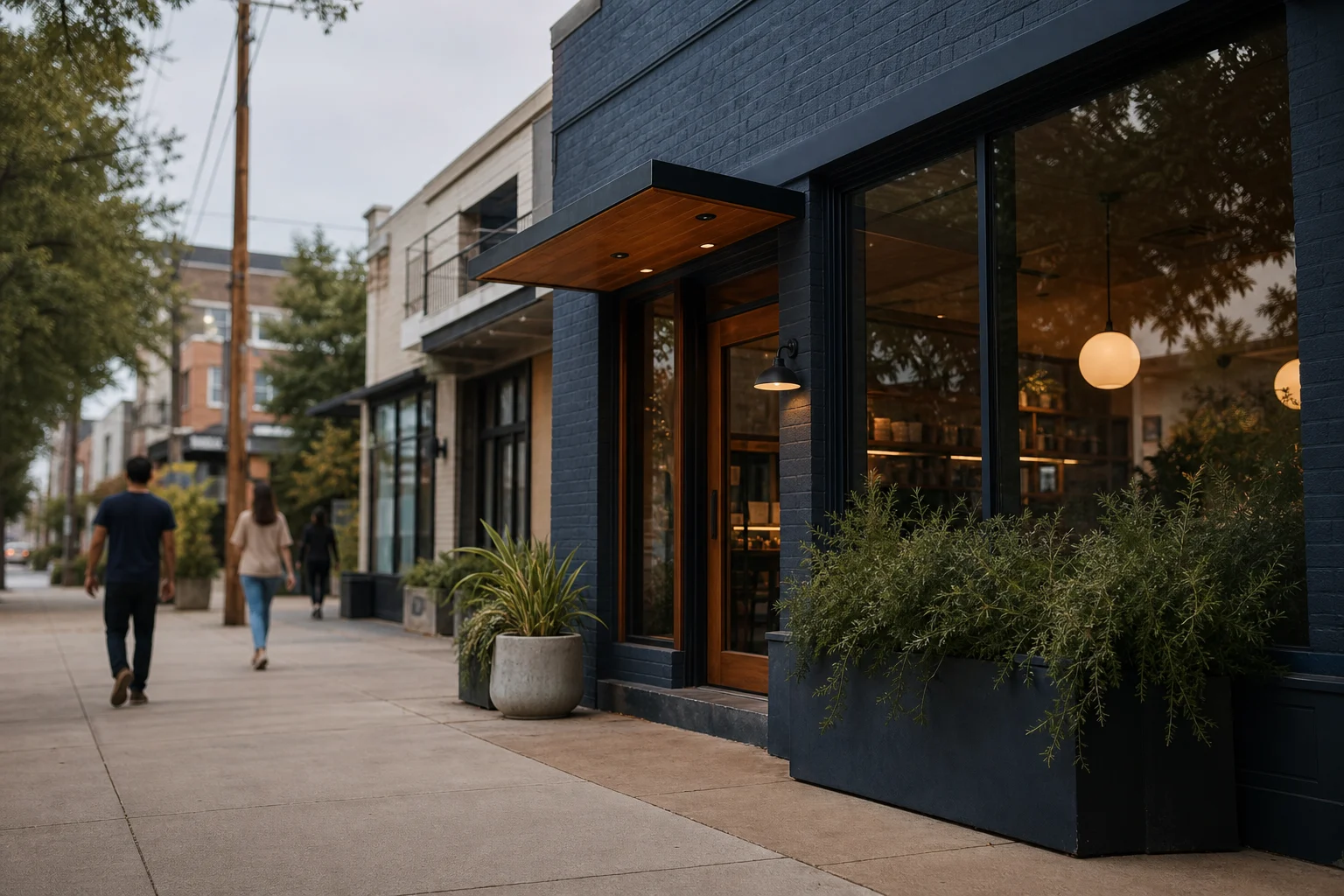
Main startup cost categories
When planning to open a nail salon in Los Angeles, several major cost categories require consideration. These include rent and lease assumptions, buildout and construction, equipment purchases, licensing and permits, hiring and payroll, opening inventory, and cash reserves for the initial launch period. Each category carries its own set of considerations and potential cost traps that can impact your overall budget.
The nail salon Los Angeles startup costs will be influenced by your chosen location within the city. Los Angeles is a large metropolitan area with varying commercial real estate prices, competition levels, and customer demographics. Understanding these differences is crucial for budgeting effectively and setting realistic financial expectations for your new business venture.
Rent and lease assumptions in Los Angeles
Rent represents one of the largest fixed costs for any nail salon business. In Los Angeles, commercial real estate prices vary significantly by neighborhood. Based on Locavisor neighborhood scoring, Highland Park, Culver City, and Burbank emerge as the top three areas for nail salon startups, each with advantages and challenges to consider.
Highland Park ranks #1 on paper with a score of 6.7/10, thanks to strong competitionFit and rentFit scores. However, the ground truth is more complicated. There are already 6 nail salons within 800m — Le's Nails (4.4★, 132 reviews), Judy Nails (4.6★, 96 reviews), E'loor Nail Bar (4.6★, 16 reviews), 1st Rose Nails (3.8★, 87 reviews), Vnailspa Nails salon (4.3★, 59 reviews), and Aplus Nails (unrated). The market temperature is promising, competition density is medium, and rent level is low in this area.
Culver City also scores 6.7/10 overall but presents a different opportunity. Office density is maxed out — Sony Pictures, Apple TV+, Amazon Studios, and a cluster of coworking spaces mean ~10,500 weekday workers within 800m. Walkability is strong, and the Expo Line Culver City station connects to the rest of LA. This area offers a different customer demographic compared to Highland Park.
Burbank's downtown core near Burbank Town Center and the Metrolink station has a dense cluster of nail salons — 10 competitors within 800m including Eden Nails & Spa (4.2★, 207 reviews), Studio Nail (4.5★, 121 reviews), Làmay Nail Spa (4.6★, 108 reviews), Fashion Nail Spa (3.2★, 155 reviews), Queen Nails (3.5★, 87 reviews), and more. That's a saturated market with a score of 6.6/10.
When considering rent, factor in not just the monthly lease payment but also common area maintenance fees, property taxes, insurance, and potential percentage rent clauses. The nail salon in Los Angeles cost breakdown must account for these additional expenses that can significantly impact your monthly overhead.
Buildout, equipment, payroll, opening inventory, permits, and cash reserve
Beyond rent, several major expense categories will impact your startup budget. Buildout costs include construction, plumbing, electrical work, flooring, lighting, and decor. These expenses can vary widely depending on the condition of the space and your desired aesthetic. A nail salon requires specific plumbing for pedicure stations and proper ventilation for nail polish fumes.
Equipment represents another significant investment. This includes nail stations, pedicure chairs, sterilization equipment, lighting, reception furniture, point-of-sale systems, and various tools and supplies. The quality of your equipment will impact both customer experience and operational efficiency.
Payroll costs include not just employee salaries but also payroll taxes, workers' compensation insurance, and benefits. Nail salons typically require licensed nail technicians, possibly a manicurist, and reception staff. Consider the cost of training and potential turnover in your budget.
Opening inventory includes nail polishes, gels, acrylics, files, buffers, cotton, gloves, and other consumables. You'll need sufficient stock to meet initial demand without tying up too much capital in inventory.
Permits and licensing costs include business licenses, health permits, and potentially specialized certifications. Los Angeles has specific requirements for nail salons regarding sanitation, ventilation, and waste disposal. Factor in the time and potential costs associated with obtaining these necessary approvals.
Cash reserves are critical for covering expenses during the initial launch period when revenue may be inconsistent. Many businesses underestimate how long it takes to reach a stable cash flow position. Your nail salon Los Angeles startup costs should include a buffer for unexpected expenses and slower-than-expected revenue growth.

Lean vs moderate vs generous launch budgets
When planning your nail salon startup, consider different approaches to budgeting. A lean launch minimizes upfront costs by focusing on essential equipment and modest decor. This approach reduces financial risk but may limit your ability to compete on quality or ambiance.
A moderate launch balances cost considerations with quality expectations. This approach includes good quality equipment, comfortable client seating, and attractive decor without excessive luxury elements. Many successful nail salons follow this middle path.
A generous launch budget allows for premium equipment, high-end decor, and additional amenities like complimentary beverages or luxury pedicure chairs. This approach can help differentiate your salon in competitive markets but requires more capital and carries higher financial risk.
The nail salon in Los Angeles cost breakdown will vary significantly based on which approach you choose. Consider your target market, competitive positioning, and personal risk tolerance when determining your budget strategy.
What to validate before spending money
Before committing significant funds to your nail salon startup, validate several key assumptions. First, thoroughly research your chosen location. Visit at different times of day and week to understand foot traffic and customer demographics. Talk to neighboring businesses about their experience with the location.
Validate your rent assumptions by comparing multiple properties and understanding common area maintenance fees. Consider not just the monthly rent but also the length of the lease, renewal options, and potential rent increases.
Validate your buildout scope by getting multiple quotes from contractors experienced in salon construction. Ensure you understand all necessary permits and regulations before starting construction.
Validate your equipment needs by visiting successful nail salons and talking to owners about their equipment choices. Consider both initial purchase costs and long-term maintenance expenses.
Validate your payroll model by researching typical wages for nail technicians in your area. Consider whether you'll hire employees or independent contractors, as this affects both costs and legal requirements.
Validate your opening inventory needs by speaking with suppliers about minimum order quantities and delivery timelines. Consider how you'll manage inventory as your business grows.
Finally, validate your cash reserve needs by creating detailed financial projections that account for various scenarios. Many businesses fail not because they're unprofitable, but because they run out of cash before reaching profitability.
FAQ
How much does it cost to open A Nail Salon in Los Angeles?
The exact total cost to open a nail salon in Los Angeles cannot be estimated from the provided data. Startup costs vary significantly based on location, size, quality of equipment, buildout requirements, and other factors. To determine your specific startup costs, you'll need to validate several variables: lease terms for your chosen location, construction and buildout expenses for your specific space, equipment costs based on your quality standards, licensing and permit fees, payroll expenses based on your staffing model, inventory needs for your service offerings, and adequate cash reserves for the initial launch period. Each of these factors will impact your overall investment requirement.
Last reviewed: 2026-05-08
Sources: U.S. Census Bureau ACS, LEHD LODES, Google Places, OpenStreetMap, Locavisor neighborhood scoring.
Methodology: Locavisor scores neighborhoods across demand, competition fit, rent fit, accessibility, and customer match. Scores reflect a snapshot of recent data and should be combined with on-the-ground research before lease decisions.
Disclaimer: This article provides informational content only and does not constitute legal, financial, accounting, or real-estate advice. Verify lease terms, licensing, local regulations, costs, and professional requirements with qualified local professionals before making business decisions.
Free preview shows top 3 neighborhoods. Full $9.99 report covers all 10 areas with personalized scoring + 90-day check-ins.
Informational only. Verify lease, licensing, local regulations, costs, and professional requirements with qualified local professionals.