Miami, FL · nail salon
Cost to open a nail salon in Miami
Opening a nail salon in Miami presents unique cost considerations shaped by the city's high real estate market, competitive service industry, and specific local regulations. Miami's vibrant beauty culture and tourism-driven economy create both opportunities and cost pressures that founders must carefully evaluate. The cost structure differs significantly from other Florida markets due to factors like premium rent bands, specialized labor requirements, and the need to stand out in a saturated market.
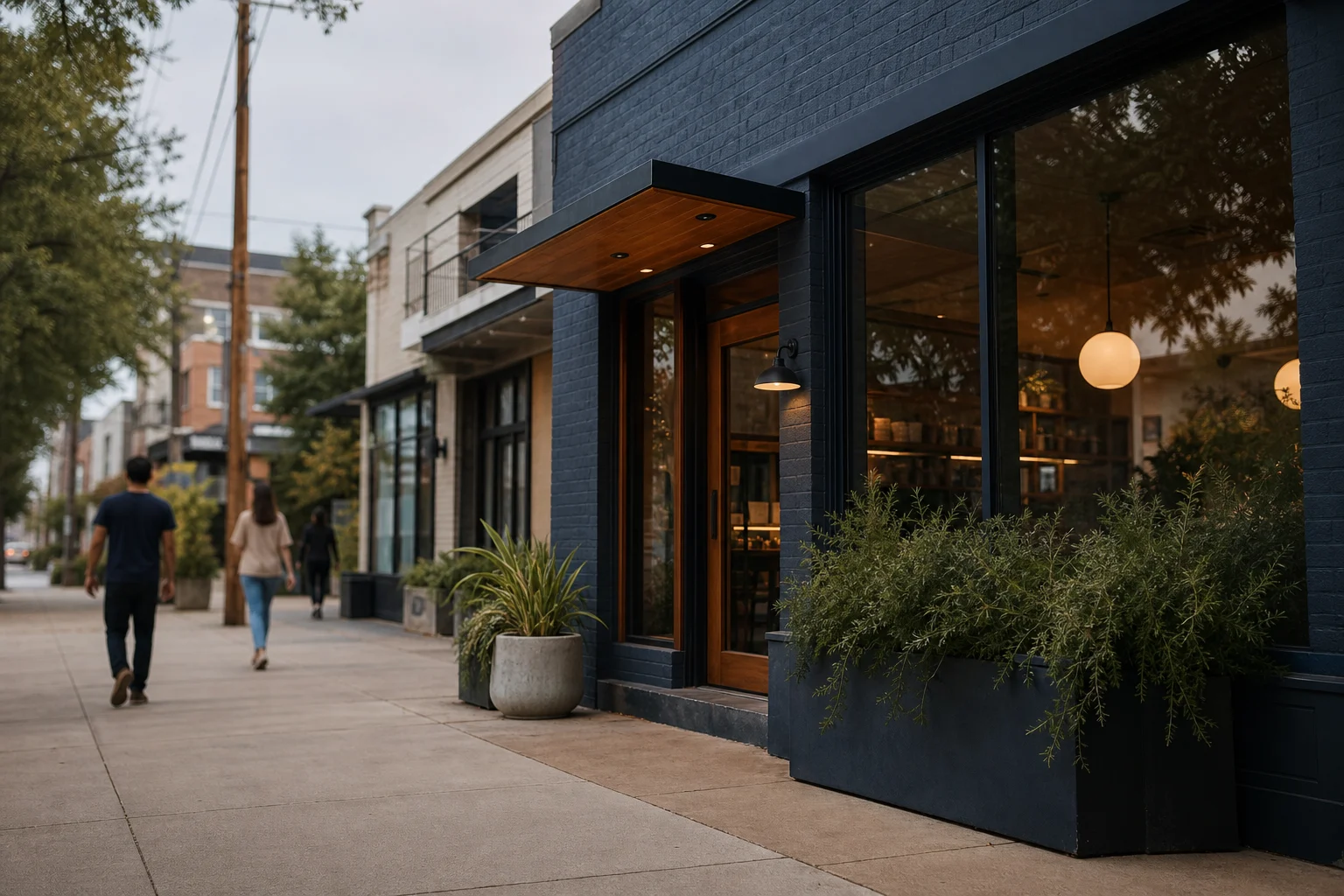
What does it cost to open a nail salon in Miami?
The cost to open a nail salon in Miami varies widely depending on location, size, and service offerings, but founders should expect significant upfront investments in real estate and buildout. Miami's commercial real estate market commands premium rates, with rent bands typically ranging from $42-$180/sqft/yr NNN across most neighborhoods. This rent structure represents one of the primary cost differentiators compared to other Florida markets. The actual startup costs depend heavily on neighborhood selection, with top-performing areas like MiMo/Upper Eastside commanding potentially higher rates than secondary locations.
Major cost categories
Lease deposit and first/last month
Securing commercial space in Miami requires substantial upfront capital for deposits and initial rent payments. Most landlords expect first month, last month, and a security deposit, which can represent a variable local timeline of rent. The exact amount depends on the square footage and neighborhood. In prime areas like MiMo/Upper Eastside with rent bands of $42-$180/sqft/yr NNN, founders should budget accordingly for these initial lease costs. Negotiating favorable lease terms becomes critical to managing cash flow during the pre-opening phase.
Tenant improvements and buildout
Nail salons require specialized buildouts including proper ventilation systems, manicure stations, pedicure stations, and storage areas. Miami's building codes and health department regulations mandate specific requirements for salon operations, which can increase buildout costs. The condition of the space and whether it requires extensive renovations will significantly impact this expense category. Founders should budget for both cosmetic improvements and functional necessities to meet health and safety standards.
Equipment and furniture
Quality equipment represents a major investment for nail salon startups. This includes manicure tables, pedicure chairs, nail dryers, sterilization equipment, and reception furniture. The specific equipment needs depend on the services offered and the size of the salon. While exact equipment costs aren't specified in our data, founders should research industry standards and budget accordingly for durable, professional-grade tools that will support daily operations and client satisfaction.
Licenses, permits, and insurance
Miami requires specific business licenses and permits for nail salons, including health department permits and cosmetology licenses for technicians. Insurance coverage is essential to protect against liability claims, property damage, and business interruptions. The exact costs vary based on salon size and services offered, but founders should anticipate these regulatory expenses as part of their startup budget. Verification with local authorities is crucial to ensure compliance with all Miami-specific requirements.
Initial inventory or supplies
Starting inventory includes nail polish, tools, sanitizing supplies, and other consumables necessary for daily operations. The initial stock requirements depend on the salon's service menu and expected client volume. Founders should calculate needs based on projected opening-day demand and establish relationships with suppliers to manage ongoing inventory costs. Proper inventory management prevents both shortages and overstocking issues.
Pre-opening payroll and training
Hiring and training staff before opening requires careful budgeting. Nail technicians, receptionists, and managers need proper training on salon procedures, customer service, and product knowledge. Payroll costs during the pre-opening phase include salaries or hourly wages for training sessions and preparation work. The quality of initial staff training directly impacts customer satisfaction and operational efficiency from day one.
Working capital reserve
A working capital reserve is essential to cover operating expenses during the initial months when revenue may be inconsistent. Miami's high cost of living and business operations mean founders should plan for at least a variable local timeline of operating expenses in reserve. This buffer helps manage cash flow challenges common in new business ventures and provides flexibility to adapt to unexpected costs or slower-than-expected revenue growth.
How Miami compares to other FL markets
Miami's nail salon startup costs differ significantly from other Florida markets due to premium real estate and higher operating expenses. While rent bands of $42-$180/sqft/yr NNN are consistent across Miami's top neighborhoods, other Florida cities may offer more affordable options. The competitive service market in Miami also means founders may need to invest more in marketing and differentiation strategies to stand out. Labor costs in Miami are generally higher than in other Florida markets, affecting payroll budgets for technicians and support staff.
What competition looks like in the top areas
Miami's top neighborhoods for nail salons present varying competitive landscapes. In MiMo/Upper Eastside, established players like ARTISTIC NAIL BAZAAR (4.6 stars, 205 reviews) and Escape Nails & Spa (3.4 stars, 228 reviews) demonstrate the market presence in this area. Hialeah shows strong competition with multiple operators including The Nail Place by Lumy (5 stars, 37 reviews), Opal Nail Studio (4.7 stars, 130 reviews), and Rocio Angels Nails (4.9 stars, 61 reviews). Doral features Menta y Canela Nail Salon (4.1 stars, 146 reviews) as a local competitor. These businesses illustrate the service quality and customer expectations founders will face in each neighborhood.
| Neighborhood | Competition Density | Average Rating | Key Differentiators |
|---|---|---|---|
| MiMo/Upper Eastside | Moderate | 4.0 | Mall-adjacent locations, higher foot traffic |
| Hialeah | High | 4.2 | Strong local following, multiple established salons |
| Doral | Moderate | 4.1 | Corporate client base, mall proximity |
| Kendall/Pinecrest | Low | N/A | Limited data available |
| Little Haiti | Low | N/A | Limited data available |
Common cost overrun patterns
Nail salon startups frequently encounter unexpected costs that can derail budgets. Common overruns include underestimated buildout requirements, especially regarding ventilation and plumbing systems. Equipment costs often exceed initial estimates when founders discover the need for specialized or professional-grade tools. Permitting delays and additional fees can also impact timelines and budgets. Inventory management challenges, particularly with perishable products, may require additional spending. Founders should build contingency buffers into their budgets to accommodate these common overruns.
How to validate your number before committing capital
Validating cost assumptions is critical before committing significant capital. Research actual rent prices in target neighborhoods by contacting local commercial real estate agents. Obtain multiple quotes for buildout and equipment to establish realistic budgets. Consult with local nail salon owners like those identified in our data to understand real-world expenses. Review Miami's specific licensing and permitting requirements with relevant authorities. Create detailed cash flow projections that account for slower-than-expected revenue growth during the initial months.

FAQ
Q: What are the most affordable neighborhoods for opening a nail salon in Miami?
A: Based on Locavisor scoring, Kendall/Pinecrest and Little Haiti offer the most budget-friendly options with scores of 4.8/10 each, though both have rent bands of $42-$180/sqft/yr NNN. These neighborhoods may present opportunities for cost-conscious founders while still providing access to local clientele.
Q: How important is location when opening a nail salon in Miami?
A: Location significantly impacts both costs and potential revenue. Prime areas like MiMo/Upper Eastside (score 5.7/10) offer higher foot traffic but come with premium rent bands. Founders should balance location costs against expected client volume and service pricing strategies.
Q: What permits are required to open a nail salon in Miami?
A: Miami requires health department permits, cosmetology licenses for all technicians, and business operating licenses. The city may also have specific requirements for waste disposal and ventilation systems. Founders should verify all requirements with Miami-Dade County and relevant regulatory agencies before beginning operations.
Last reviewed: 2026-05-30
Sources: U.S. Census Bureau ACS, LEHD LODES, Google Places, OpenStreetMap, Locavisor neighborhood scoring.
Methodology: Locavisor scores neighborhoods across demand, competition fit, rent fit, accessibility, and customer match. Scores reflect a snapshot of recent data and should be combined with on-the-ground research before lease decisions.
Disclaimer: This article provides informational content only and does not constitute legal, financial, accounting, or real-estate advice. Verify lease terms, licensing, local regulations, costs, and professional requirements with qualified local professionals before making business decisions.
Free preview shows top 3 neighborhoods. Full $9.99 report covers all 10 areas with personalized scoring + 90-day check-ins.
Informational only. Verify lease, licensing, local regulations, costs, and professional requirements with qualified local professionals.