New York, NY · nail salon
Cost to open a nail salon in New York
The cost to open a nail salon in New York varies significantly based on location, size, and business model. New York's competitive nail salon market requires careful planning and budgeting for startup expenses. Entrepreneurs must consider rent, buildout costs, equipment, permits, staffing, and initial inventory when calculating their total investment.
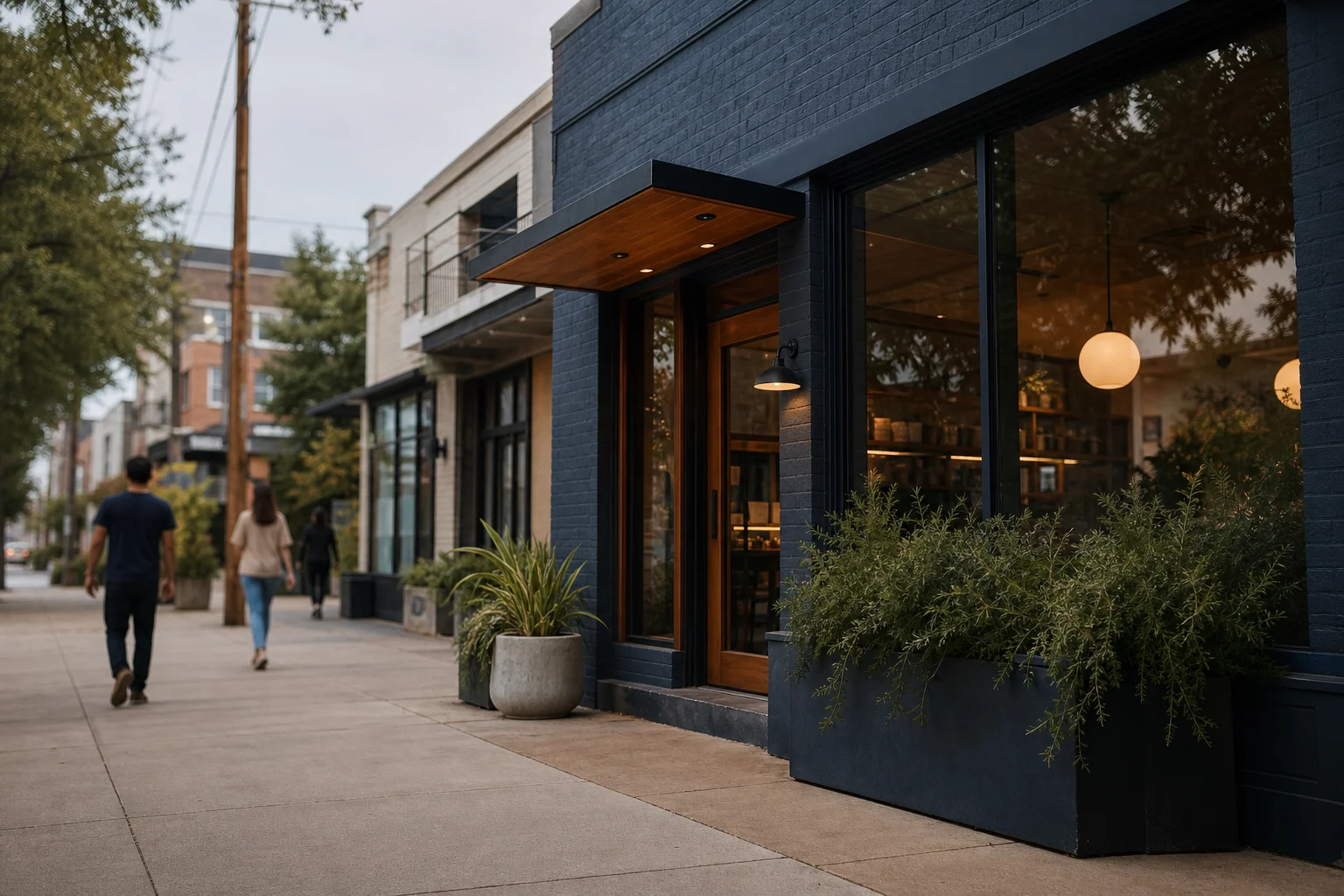
Main startup cost categories
Opening a nail salon in New York involves several major cost categories. Rent typically represents the largest expense, followed by buildout and equipment costs. Permits and licensing fees, while smaller in absolute terms, can be complex and time-consuming to navigate. Staffing costs include wages, benefits, and training. Opening inventory covers initial supplies like polishes, tools, and furniture. Finally, a cash reserve is essential for covering unexpected expenses during the initial months of operation.
Each category requires careful research and planning. Market conditions in New York create unique challenges for nail salon entrepreneurs. The competition density varies by neighborhood, as does the rent level. Understanding these factors helps allocate resources effectively and avoid common cost traps.
Rent and lease assumptions in New York
Rent is often the largest fixed cost for a nail salon in New York. According to Locavisor neighborhood scoring, three areas stand out for potential nail salon locations: Forest Hills (6.4/10), Astoria (6.3/10), and Sunset Park (6.3/10). Each offers different advantages and challenges for nail salon entrepreneurs.
Forest Hills offers a solid neighborhood-corridor play for a mid-tier nail salon. Austin Street has strong walkability, evening foot traffic, and a dense residential base. Rent is manageable at roughly $20-35/sqft NNN. The catch: 8 nail salons already cluster within a few blocks — you'd be entering a saturated market where differentiation on service quality or niche (e.g.
Astoria is a strong contender with excellent rentFit and competitionFit scores. The 30th Ave corridor near the N/W train has dense young-professional foot traffic and 15+ nail salons already operating — saturation is the headline risk. Rent at roughly $30-50/sqft NNN is workable for a medium budget.
Sunset Park's 8th Avenue Chinatown corridor offers strong residential density and a rent-friendly entry point at roughly $20-35/sqft NNN. The area has 6 nail salons — moderate competition compared to Astoria or Forest Hills.
When negotiating a lease, consider the length, renewal options, and tenant improvement allowances. New York's commercial real estate market favors prepared tenants who understand their rights and obligations. Market temperature in these areas is mixed, meaning some negotiation is possible but not guaranteed.
Buildout, equipment, payroll, opening inventory, permits, and cash reserve
Buildout costs transform raw space into a functional nail salon. This includes plumbing for manicure stations, electrical work, ventilation systems, flooring, and walls. The scope of buildout depends on the condition of the space and your vision for the salon.
Equipment represents another significant investment. Nail stations, chairs, sterilization equipment, lighting, and reception furniture are essential. Consider both initial purchase costs and long-term maintenance when selecting equipment.
Payroll expenses extend beyond base wages. Benefits, payroll taxes, and training costs add to staffing expenses. New York's labor laws impose specific requirements that affect payroll calculations.
Opening inventory includes polishes, gels, tools, files, cotton, towels, and retail products. Stock adequate supplies to meet initial demand without tying up excessive capital in inventory.
Permits and licensing requirements vary by location and business model. Health department permits, business licenses, and zoning approvals are typically required. The process can be time-consuming, so factor this into your timeline.
Cash reserves provide a safety net during the initial months of operation. Unexpected expenses, slower-than-expected revenue, and seasonal fluctuations can strain resources. A conservative approach to cash management helps ensure business continuity.

Lean vs moderate vs generous launch budgets
New York nail salon entrepreneurs approach startup costs differently based on their resources and risk tolerance. A lean budget focuses on essential elements with minimal frills. This approach reduces initial investment but may limit differentiation in a competitive market.
A moderate budget balances cost considerations with quality expectations. This approach allows for better equipment, more attractive decor, and sufficient inventory to meet customer demand without excessive risk.
A generous budget enables premium positioning with high-end equipment, extensive marketing, and superior customer experience. This approach carries higher financial risk but potentially greater rewards in a market like New York where consumers value quality.
The appropriate budget depends on your target market, location, and business model. Forest Hills, Astoria, and Sunset Park each present different opportunities and constraints that influence budget decisions.
What to validate before spending money
Before committing significant resources to a nail salon startup, validate several key assumptions. Lease terms should be thoroughly reviewed, including rent increases, maintenance responsibilities, and renewal options. Buildout costs must be accurately estimated based on actual space requirements and local construction costs.
Equipment needs should be assessed based on service offerings and expected customer volume. Payroll models must account for New York's labor laws and minimum wage requirements. Opening inventory levels should align with projected demand without excessive capital commitment.
Permit requirements vary by location and must be thoroughly researched. Cash reserve needs depend on individual circumstances but should cover at least several months of operating expenses. Local professional review can identify potential issues before they become costly problems.
Competition analysis in your chosen neighborhood helps identify market saturation and differentiation opportunities. Foot traffic patterns and customer demographics inform marketing strategies and service offerings. Market temperature in your target area affects negotiation leverage with landlords and suppliers.
FAQ
How much does it cost to open A Nail Salon in New York?
The exact total cost to open a nail salon in New York cannot be estimated from the provided data. Startup costs vary significantly based on location, size, business model, and individual circumstances. Entrepreneurs should validate specific costs for their planned location, including rent, buildout, equipment, permits, staffing, inventory, and cash reserves. The three areas highlighted by Locavisor neighborhood scoring—Forest Hills (6.4/10), Astoria (6.3/10), and Sunset Park (6.3/10)—each present different cost structures and market conditions that affect startup expenses.
Last reviewed: 2026-05-08
Sources: U.S. Census Bureau ACS, LEHD LODES, Google Places, OpenStreetMap, Locavisor neighborhood scoring.
Methodology: Locavisor scores neighborhoods across demand, competition fit, rent fit, accessibility, and customer match. Scores reflect a snapshot of recent data and should be combined with on-the-ground research before lease decisions.
Disclaimer: This article provides informational content only and does not constitute legal, financial, accounting, or real-estate advice. Verify lease terms, licensing, local regulations, costs, and professional requirements with qualified local professionals before making business decisions.
Free preview shows top 3 neighborhoods. Full $9.99 report covers all 10 areas with personalized scoring + 90-day check-ins.
Informational only. Verify lease, licensing, local regulations, costs, and professional requirements with qualified local professionals.