San Jose, CA · nail salon
Cost to open a nail salon in San Jose
San Jose's nail salon market presents unique cost pressures that founders must understand before committing capital. The city's high rent bands, competitive neighborhoods, and specific local regulations create a different cost structure than other California markets. Founders need to account for these factors when planning their startup budget.
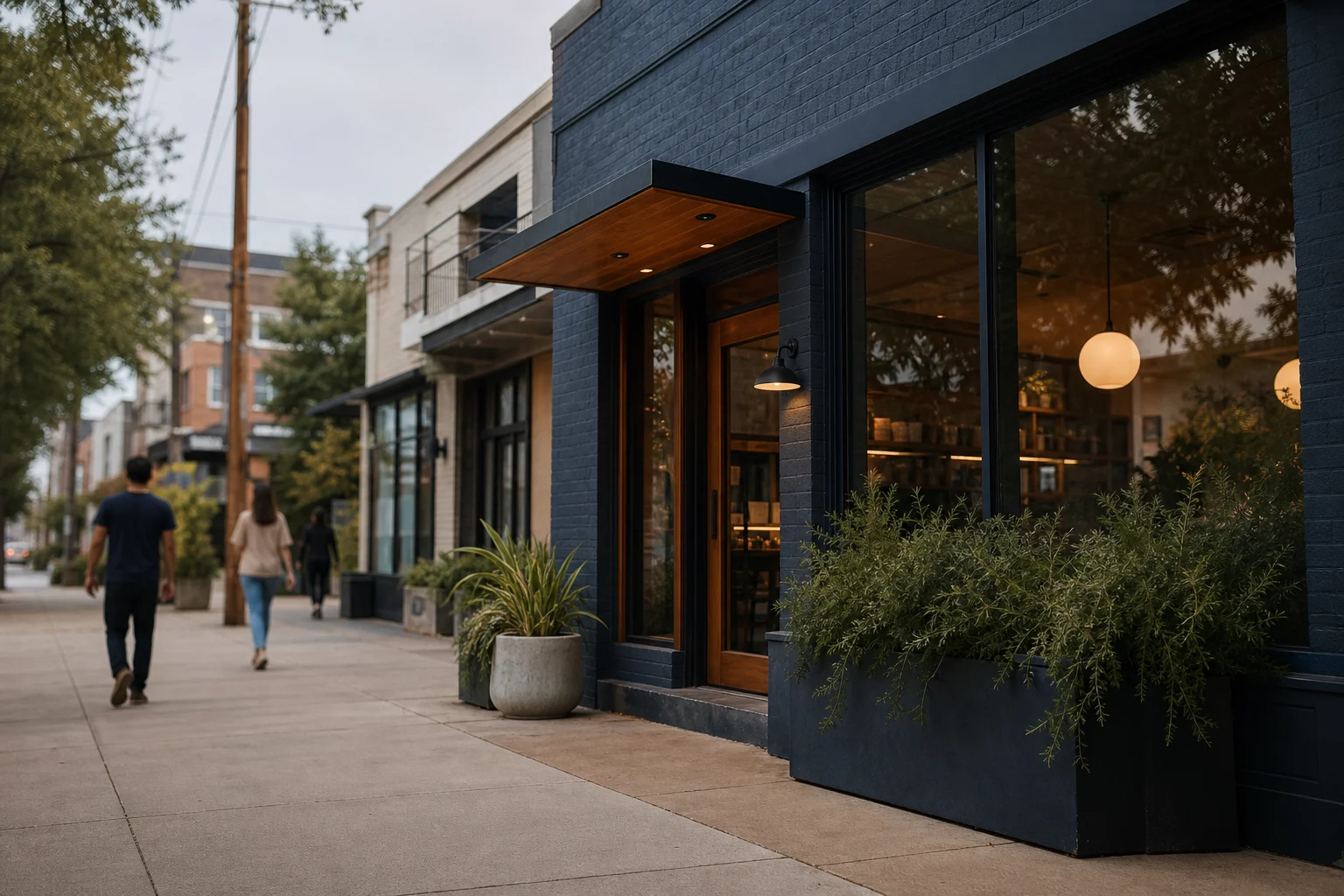
What does it cost to open a nail salon in San Jose?
The cost to open a nail salon in San Jose varies significantly based on location, size, and quality standards. Unlike many other service businesses, nail salons require substantial upfront investment in lease improvements, specialized equipment, and inventory. San Jose's premium real estate markets, particularly in areas like Santana Row and Downtown, can drive lease costs higher than in other California cities of similar size.
Major cost categories
Lease deposit and first/last month
Lease costs represent the largest upfront expense for most nail salon founders in San Jose. The city's top neighborhoods show significant variation in rent bands, with Santana Row/Valley Fair commanding $110/sqft/yr NNN - nearly double the rate in Willow Glen at $48/sqft/yr NNN. Downtown San Jose falls in the middle at $55/sqft/yr NNN. These rent bands directly impact monthly overhead and the size of space founders can afford.
Tenant improvements and buildout
Buildout costs in San Jose depend heavily on the condition of the space and local building codes. Many existing retail spaces require significant renovation to meet health department standards for nail salons, including proper ventilation, plumbing for pedicure stations, and compliant flooring. The city's building department has specific requirements for salon spaces that may not align with standard retail configurations.
Founders should budget for both cosmetic improvements and code-compliant modifications. In older buildings, especially in neighborhoods like Japantown, unexpected structural or plumbing issues can increase buildout costs significantly.
Equipment and furniture
The type of services offered directly impacts equipment needs. Gel manicure stations, UV lamps, and specialized ventilation systems add to upfront costs but may justify higher service pricing in San Jose's market.
Licenses, permits, and insurance
San Jose requires specific business licenses and health permits for nail salons. The Santa Clara County Health Department issues permits based on salon type and services offered. Insurance requirements typically include general liability, property insurance, and workers' compensation - costs that vary based on salon size and payroll.
Initial inventory or supplies
Starting inventory for a nail salon includes polishes, tools, disposable supplies, and product lines. The variety of services determines inventory needs - basic manicure/pedicure operations require less initial stock than full-service salons offering gel extensions and specialty treatments.
San Jose's diverse population creates demand for a wide range of product options, from standard brands to specialized lines catering to different cultural preferences. Founders should research local supplier relationships while maintaining competitive pricing.
Pre-opening payroll and training
Hiring and training staff before opening requires careful cash flow planning. San Jose's minimum wage and competitive labor market mean payroll costs are higher than in many other California cities. Training periods of a variable local timeline are typical, during which employees are paid but not yet generating revenue.
The quality of technicians directly impacts customer satisfaction and retention. Investing in experienced staff or comprehensive training programs can reduce turnover but increases initial labor costs.
Working capital reserve
How San Jose compares to other CA markets
San Jose's nail salon startup costs differ from other California markets in several key ways. The city's rent bands are generally higher than in Sacramento or Fresno but comparable to San Francisco and Los Angeles for premium locations. However, San Jose's commercial spaces are often smaller and more specialized than in other markets.
Labor costs in San Jose are among the highest in California, affecting both startup and ongoing expenses. The city's tech-driven economy creates a customer base with higher disposable income but also higher expectations for service quality.
What competition looks like in the top areas
San Jose's top neighborhoods for nail salons show varying levels of competition and customer preferences. Santana Row/Valley Fair, with a Locavisor score of 6.9/10, hosts established players like Kitchen Nail Bar and Lavande Nail Spa. These locations benefit from high foot traffic but face premium rent costs.
Willow Glen, scoring 6.4/10 with rent at $48/sqft/yr NNN, has multiple competitors including Bamboo Nail Bar, SugarCoat Nail Bar, and Vogue Nails. The neighborhood's college presence creates demand for affordable services while maintaining quality standards.
Downtown San Jose, at 6.6/10 with $55/sqft/yr NNN, offers proximity to office workers and students but requires differentiation in a competitive market. Rose Garden (6.3/10, $44-$110/sqft/yr NNN) and Japantown (6.1/10, $44-$110/sqft/yr NNN) present opportunities for culturally specific services or boutique experiences.
Neighborhood Comparison: Top 5 Areas for Nail Salons in San Jose
| Neighborhood | Locavisor Score | Rent Band (NNN) | Key Advantages | Competition Density |
|---|
Common cost overrun patterns
Many San Jose nail salon founders encounter unexpected costs during startup. The most common overruns include:
Unexpected buildout requirements: San Jose's building codes and health department standards can mandate additional improvements not apparent during initial walkthroughs.
Equipment upgrades: What appears to be sufficient equipment during planning often requires upgrades to meet customer expectations in San Jose's market.
Permit delays: City processing times can extend beyond initial estimates, increasing temporary space costs or delaying revenue.
Higher-than-expected rent: Negotiated lease terms may include additional fees or increases not fully understood during initial discussions.
Inventory miscalculation: New salons often underestimate the variety of products needed to serve San Jose's diverse customer base.
How to validate your number before committing capital
Before committing significant capital, founders should:
Secure multiple lease quotes: Compare at least three spaces in your target neighborhood to understand true market rates.
Get buildout quotes: Obtain detailed estimates from contractors familiar with San Jose's health and building codes.
Research local suppliers: Establish relationships with nail product distributors serving the San Jose market.
Talk to existing owners: Connect with current salon owners in your target area to understand real-world costs and challenges.
Model different scenarios: Create financial projections for best-case, expected, and worst-case scenarios.

FAQ
Q: What are the most affordable neighborhoods for a nail salon in San Jose?
A: Based on Locavisor research, Willow Glen offers the most affordable rent at $48/sqft/yr NNN, followed by Rose Garden ($44-$110/sqft/yr NNN) and Japantown ($44-$110/sqft/yr NNN). These neighborhoods provide lower overhead while maintaining good customer traffic.
Q: How does San Jose's regulatory environment affect startup costs?
A: San Jose's health department has specific requirements for nail salons, including ventilation systems and plumbing for pedicure stations. These regulations can increase buildout costs but are essential for operating legally and safely.
Q: What's the typical size for a profitable nail salon in San Jose?
A: Most profitable nail salons in San Jose range from 800-1,500 square feet, depending on location and service offerings. Premium locations like Santana Row may support smaller spaces due to higher foot traffic and customer spending.
Last reviewed: 2026-05-30
Sources: U.S. Census Bureau ACS, LEHD LODES, Google Places, OpenStreetMap, Locavisor neighborhood scoring.
Methodology: Locavisor scores neighborhoods across demand, competition fit, rent fit, accessibility, and customer match. Scores reflect a snapshot of recent data and should be combined with on-the-ground research before lease decisions.
Disclaimer: This article provides informational content only and does not constitute legal, financial, accounting, or real-estate advice. Verify lease terms, licensing, local regulations, costs, and professional requirements with qualified local professionals before making business decisions.
Free preview shows top 3 neighborhoods. Full $9.99 report covers all 10 areas with personalized scoring + 90-day check-ins.
Informational only. Verify lease, licensing, local regulations, costs, and professional requirements with qualified local professionals.