Detroit, MI · pet grooming salon
Cost to open a pet grooming salon in Detroit
Opening a pet grooming salon in Detroit presents unique cost considerations shaped by the city's evolving commercial landscape. The Motor City's revitalization has created pockets of opportunity for small business owners, but understanding the local market dynamics is crucial for accurate cost planning. Detroit's commercial real estate market varies significantly by neighborhood, with rent bands ranging from $11-$29/sqft/yr NNN across the most promising areas for pet service businesses. The city's transit infrastructure and anchor institutions also influence location costs and customer accessibility. For founders entering this market, the key is to map neighborhood-specific factors against business model requirements rather than relying on generic cost estimates.
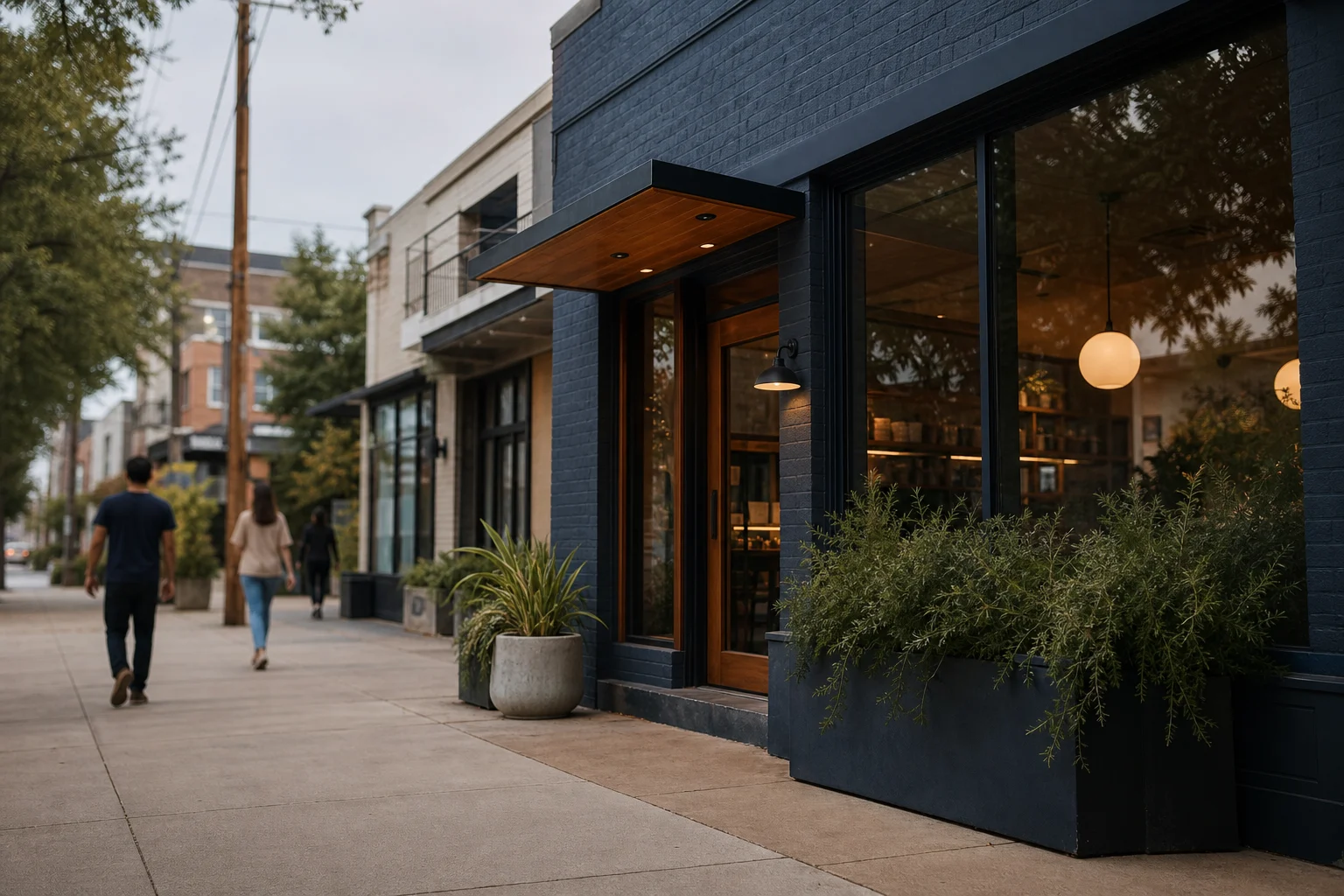
What does it cost to open a pet grooming salon in Detroit?
The cost to open a pet grooming salon in Detroit depends heavily on location, scale, and business model, with neighborhood selection being the primary cost driver. Detroit's top neighborhoods for pet service businesses-Lafayette Park (6.5/10 score), Greektown (6.2/10), Downtown Detroit (6.2/10), Corktown (6.1/10), and Eastern Market (6.0/10)-all share similar rent bands of $11-$29/sqft/yr NNN, but differ in customer demographics, competition density, and operational considerations. Founders must evaluate how these neighborhood characteristics align with their target market and service offerings. The presence of anchor institutions like Wayne State University, major transit centers, and mixed-use developments creates both opportunity and cost considerations that directly impact startup expenses.
Major cost categories
Lease deposit and first/last month
Tenant improvements and buildout
Tenant improvements (TI) represent a major variable cost that depends on the condition of the space and the complexity of your design. Detroit's commercial spaces range from turnkey locations requiring minimal work to raw shells needing complete buildout. The $11-$29/sqft/yr NNN rent bands often correlate with different levels of landlord concessions for TI. In Lafayette Park, spaces near Chene Square and Parker's Alley may come with more favorable TI allowances due to higher competition for quality tenants. Conversely, Eastern Market locations might require more investment to create the right aesthetic for a pet grooming business. Key considerations include plumbing for washing stations, proper ventilation systems, flooring suitable for wet environments, and specialized lighting. The condition of existing infrastructure-particularly in older buildings common in Corktown-can significantly impact these costs.
Equipment and furniture
Equipment represents a substantial upfront investment that varies based on the scope of services offered. Essential equipment includes grooming tables, bathing stations, dryers, clippers, and specialized tools for different pet types. Furniture requirements extend beyond workstations to include waiting areas, retail displays, and storage solutions. The quality and quantity of equipment directly impact both customer experience and operational efficiency. In Detroit's competitive market, having professional-grade equipment can differentiate your salon, but founders must balance this against budget constraints. The presence of established competitors like LC'S Detroit Pet Salon in Downtown Detroit suggests that quality equipment is a market expectation. Equipment costs can be managed through leasing options, used equipment purchases, or phased rollouts based on initial revenue.
Licenses, permits, and insurance
Regulatory compliance represents a non-negotiable cost category with both fixed and variable components. Detroit requires business licenses, health department permits for food-handling (if offering treats), and potentially special permits for wastewater discharge from bathing operations. Insurance costs include general liability, property coverage, and workers' compensation if hiring employees. The city's regulatory environment has streamlined some processes in recent years, but founders should budget for professional licensing assistance to navigate requirements efficiently. Insurance premiums vary based on location risk factors, with Downtown Detroit potentially commanding higher rates due to higher foot traffic and incident potential. These costs, while smaller than real estate or equipment, can create unexpected budget pressure if not properly researched.
Initial inventory or supplies
Inventory and supplies represent ongoing costs that require careful planning for startup. Essential supplies include shampoos, conditioners, grooming tools, towels, and retail products. The initial inventory investment depends on the range of services offered and expected customer volume. Detroit's pet owners have diverse preferences, so stocking a variety of products can attract a broader customer base but increases initial costs. Supply vendors in the area may offer bulk purchasing options that reduce per-unit costs, but founders should calculate carrying costs and potential waste. The presence of established competitors suggests that having a well-stocked inventory is important for customer satisfaction and operational efficiency from day one.
Pre-opening payroll and training
Pre-opening payroll covers staff training and preparation before the grand opening. Even for owner-operated businesses, budgeting for training materials, certification courses, and potentially temporary help during setup is important. If planning to hire staff from day one, founders must account for wages during the training period when revenue is minimal. Detroit's labor market has specific minimum wage requirements that impact these calculations. Training costs can include professional grooming certifications, customer service programs, and business operations training. The quality of staff preparation directly impacts customer satisfaction and word-of-mouth marketing, making this a critical investment despite the upfront cost.
Working capital reserve
A working capital reserve is essential for covering operational costs during the ramp-up period when revenue may not immediately cover expenses. Detroit's seasonal pet care patterns and economic variability make this reserve particularly important. The reserve should cover at least three to six months of operating expenses, including rent, utilities, payroll, supplies, and marketing. The $11-$29/sqft/yr NNN rent bands translate to predictable monthly costs, but variable expenses like utilities and supply consumption require careful estimation. Founders should also consider marketing expenses needed to build awareness in competitive neighborhoods like Greektown or Downtown Detroit. This reserve provides the flexibility to adjust operations based on early customer feedback without financial stress.
How Detroit compares to other MI markets
Detroit's pet grooming startup costs differ significantly from other Michigan markets due to its unique commercial dynamics. Compared to Ann Arbor or Grand Rapids, Detroit offers lower commercial rent in many neighborhoods, with the $11-$29/sqft/yr NNN range being more accessible than premium markets. However, Detroit's customer acquisition costs may be higher due to greater competition in established areas. The city's transit-oriented neighborhoods like Lafayette Park and Downtown Detroit provide walk-in potential that can reduce marketing expenses compared to more car-dependent suburbs. Michigan's regulatory environment is generally business-friendly, but Detroit has specific requirements for commercial spaces that founders should research. The presence of institutions like Wayne State University creates a steady customer base that can provide more predictable revenue than more transient markets.
What competition looks like in the top areas
Competition in Detroit's top neighborhoods varies by location and service offering. LC'S Detroit Pet Salon in Downtown Detroit demonstrates that quality service can thrive in competitive areas, with 4.9 stars from 147 reviews indicating strong customer satisfaction. In Lafayette Park, proximity to Wayne State University and mixed-use developments creates a customer base with disposable income for premium pet care. Greektown's tourist traffic presents both opportunity and challenge, as visitors may be less likely to become regular customers. Downtown Detroit's concentration of office workers provides weekday demand, while Eastern Market's weekend foot traffic supports different operational patterns. Corktown's residential density creates neighborhood loyalty opportunities, but may require more local marketing investment. Understanding competitor pricing, service offerings, and customer demographics in these areas helps founders position their business effectively.
Common cost overrun patterns
Several cost overrun patterns frequently impact Detroit pet grooming startups. Underestimating buildout costs is common, particularly in older buildings where hidden structural issues emerge during renovation. The $11-$29/sqft/yr NNN rent bands don't account for the condition of interior spaces, which can vary dramatically even within the same neighborhood. Equipment costs often exceed budgets as founders discover the need for specialized tools or backup systems. Regulatory compliance can also create unexpected expenses, with health department requirements or zoning changes adding unplanned costs. Marketing expenses frequently overrun as founders discover the need for more aggressive customer acquisition in competitive neighborhoods. Working capital depletion is a critical risk, as revenue ramp-up often takes longer than anticipated, especially in areas with established competitors. Founders should build contingency buffers into their budgets to accommodate these common overruns.
How to validate your number before committing capital
Validating cost assumptions requires thorough research specific to Detroit's market conditions. Obtain multiple commercial real estate quotes across your target neighborhoods to understand true rent ranges beyond the $11-$29/sqft/yr NNN bands. Interview contractors experienced in commercial renovations, particularly those familiar with Detroit's building codes and common issues. Research equipment costs through local suppliers and consider leasing options to reduce upfront investment. Consult with Detroit-based business advisors who understand local regulatory requirements and can help anticipate compliance costs. Analyze competitor pricing and service offerings to validate your revenue assumptions. Create detailed cash flow projections that account for seasonal variations and ramp-up periods. Consider joining Detroit small business networks to gain insights from experienced founders who have navigated similar startup costs.
| Neighborhood | Locavisor score | Rent band | Local operator signal | Founder validation check |
|---|---|---|---|---|
| Lafayette Park | 6.5/10 | $11-$29/sqft/yr NNN | No direct operator listed | Validate lease terms, buildout condition, equipment scope, and reserves. |
| Greektown | 6.2/10 | $11-$29/sqft/yr NNN | No direct operator listed | Validate lease terms, buildout condition, equipment scope, and reserves. |
| Downtown Detroit | 6.2/10 | $11-$29/sqft/yr NNN | LC'S Detroit Pet Salon | Validate lease terms, buildout condition, equipment scope, and reserves. |
| Corktown | 6.1/10 | $11-$29/sqft/yr NNN | No direct operator listed | Validate lease terms, buildout condition, equipment scope, and reserves. |
| Eastern Market | 6.0/10 | $11-$29/sqft/yr NNN | No direct operator listed | Validate lease terms, buildout condition, equipment scope, and reserves. |

FAQ
Q: What are the most cost-effective neighborhoods for a pet grooming salon in Detroit?
A: Lafayette Park (6.5/10 score) offers the best balance of cost and opportunity with $11-$29/sqft/yr NNN rent, strong anchor institutions, and mixed-use development. Eastern Market (6.0/10) provides lower rents but requires more marketing investment to attract customers beyond weekend markets. Corktown (6.1/10) offers character and residential density but may have higher renovation costs for older buildings.
Q: How does Detroit's regulatory environment impact startup costs compared to other cities?
A: Detroit has streamlined many business licensing processes, but health department requirements for pet care facilities can add unexpected costs. The city offers resources through the Detroit Economic Growth Corporation to help navigate regulations, potentially reducing compliance expenses compared to more complex municipal environments.
Q: What equipment investments offer the best return in Detroit's market?
A: Professional-grade bathing stations and efficient drying systems provide the best customer experience and operational efficiency. Detroit's variable weather means indoor facilities with proper ventilation are particularly valuable. Consider leasing high-cost equipment initially to preserve cash flow while testing market demand.
Last reviewed: 2026-05-30
Sources: U.S. Census Bureau ACS, LEHD LODES, Google Places, OpenStreetMap, Locavisor neighborhood scoring.
Methodology: Locavisor scores neighborhoods across demand, competition fit, rent fit, accessibility, and customer match. Scores reflect a snapshot of recent data and should be combined with on-the-ground research before lease decisions.
Disclaimer: This article provides informational content only and does not constitute legal, financial, accounting, or real-estate advice. Verify lease terms, licensing, local regulations, costs, and professional requirements with qualified local professionals before making business decisions.
Free preview shows top 3 neighborhoods. Full $9.99 report covers all 10 areas with personalized scoring + 90-day check-ins.
Informational only. Verify lease, licensing, local regulations, costs, and professional requirements with qualified local professionals.