Seattle, WA · pet grooming salon
Cost to open a pet grooming salon in Seattle
Opening a pet grooming salon in Seattle requires careful planning of startup costs. The cost to open a pet grooming salon in Seattle varies based on location, size, and business model. Seattle's pet grooming market shows promise with medium competition density and promising market temperature according to Locavisor neighborhood scoring.
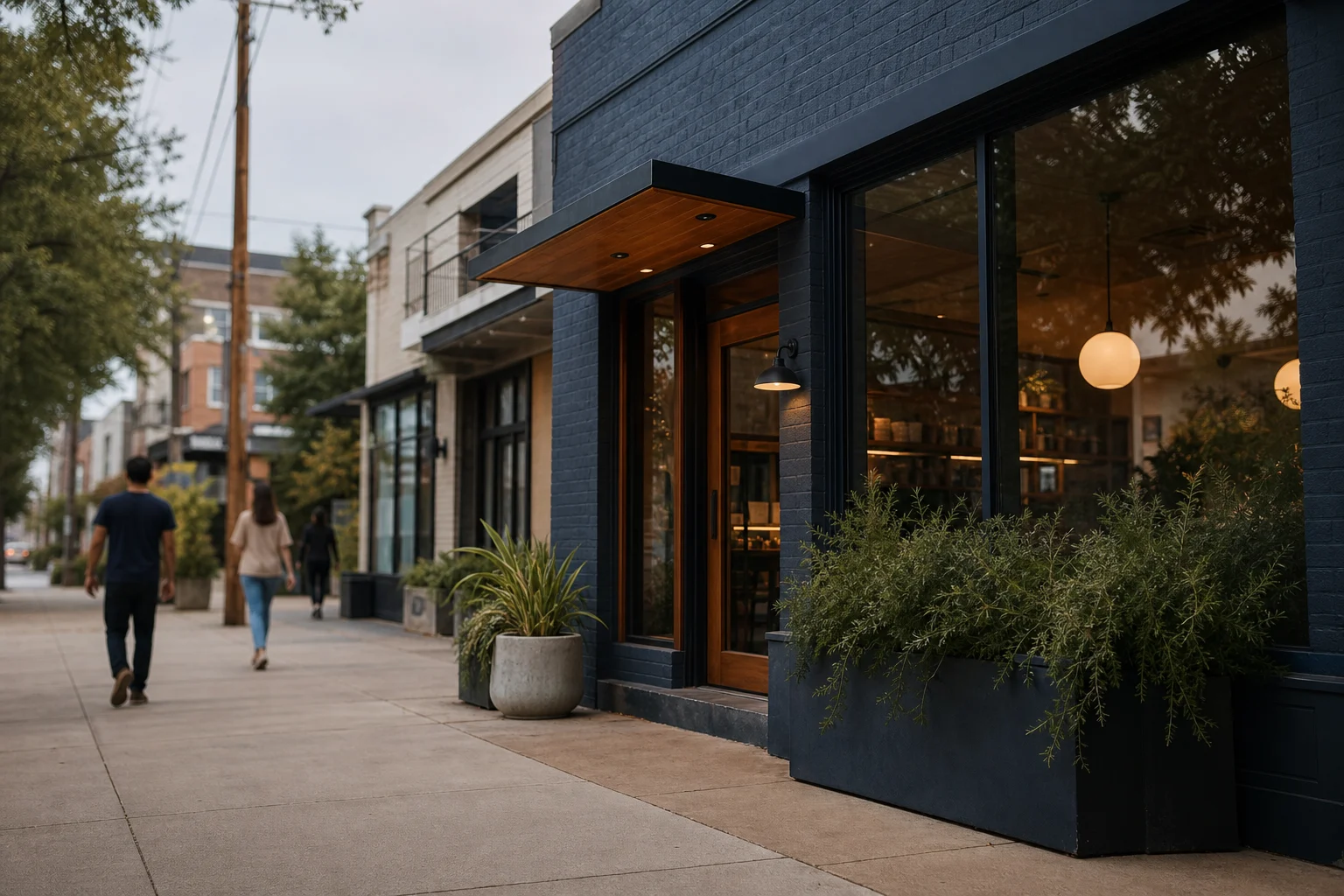
Main startup cost categories
The startup cost stack for a pet grooming salon in Seattle includes several key categories. Rent represents one of the largest fixed costs, followed by buildout and equipment expenses. Permits and licensing add regulatory compliance costs. Hiring and payroll expenses depend on staffing needs. Opening inventory covers initial supplies. Finally, maintaining adequate cash reserves ensures smooth operations during the launch phase.
Each cost category requires careful consideration based on your specific business model and target market. Seattle's neighborhoods offer different cost profiles that affect your overall startup investment. Understanding these categories helps allocate resources effectively while avoiding common cost traps that could jeopardize your business.
Rent and lease assumptions in Seattle
Rent levels vary significantly across Seattle's neighborhoods for pet grooming salons. According to Locavisor neighborhood scoring, three areas stand out for potential pet grooming businesses:
Madrona / Leschi (6.6/10) — Madrona / Leschi ranks #1 overall — zero direct pet-grooming competitors, strong residential density (~8,000 households within 800m), and an affluent customer base that aligns with the high-income archetype. Rent runs roughly $30-50/sqft NNN, workable for a medium-budget operator.
Eastlake / Cascade (6.6/10) — Eastlake / Cascade ties for top score with zero direct grooming competitors and strong daytime worker density (~10,500 weekday lunch workers within 800m). The Amazon Atlas office and Fred Hutch Eastlake Building anchor a professional corridor with high-income potential. Rent runs roughly $30-50/sqft NNN. Parking is better than Madrona, but the family index is very low — fewer households with dogs.
Madison Park (6.5/10) — Madison Park is an upscale lakeside neighborhood with the highest affluence index of all candidates — ideal for premium grooming pricing. Zero direct competitors. The trade-off: rent is higher (roughly $45-70/sqft NNN), car access is weak, and the neighborhood retail corridor is thin. The customer base is there but smaller — roughly moderate residential reach.
Seattle's rent levels for pet grooming spaces fall into a low-to-mid range compared to other major cities. The market temperature is promising with medium competition density. When evaluating lease assumptions, consider not just the base rent but also triple net (NNN) charges, common area maintenance fees, and potential percentage rent clauses.
Buildout, equipment, payroll, opening inventory, permits, and cash reserve
Buildout costs depend on the condition of your space and your aesthetic vision. Seattle's commercial spaces may require plumbing modifications for grooming stations, electrical upgrades for equipment, and specialized flooring that withstands water and pet hair. The scale of your buildout directly impacts your initial investment.
Equipment represents another significant expense. Professional grooming equipment includes tubs, dryers, tables, clippers, and grooming tools. Consider whether to purchase new or used equipment based on your budget constraints. Seattle's market offers various suppliers with different price points.
Payroll expenses depend on your staffing model. Seattle's minimum wage requirements and competitive labor market affect hiring costs. Factor in not just base salaries but also benefits, payroll taxes, and training expenses for grooming professionals.
Opening inventory includes shampoos, conditioners, brushes, towels, and retail products. Seattle's pet owners may prefer premium or eco-friendly products, affecting your initial inventory investment. Consider supplier relationships that offer favorable payment terms.
Permits and licensing ensure compliance with Seattle's regulations. Research local requirements for business licenses, health permits, and grooming-specific certifications. Factor in application fees and potential inspection costs.
Cash reserves provide a safety net during the launch phase. Seattle's market conditions may affect your ramp-up time to profitability. Maintain sufficient operating capital to cover unexpected expenses and seasonal fluctuations.

Lean vs moderate vs generous launch budgets
Different budget approaches suit various business models and risk tolerances. A lean launch minimizes fixed costs by starting with a smaller space and basic equipment. This approach reduces initial investment but may limit growth potential.
A moderate budget allows for a well-equipped facility with professional staffing and marketing. This balanced approach positions your business for steady growth while maintaining financial stability.
A generous launch budget supports premium facilities, extensive marketing, and robust staffing. This approach maximizes initial impact but requires higher capital investment and carries greater financial risk.
Seattle's market temperature and competition density should inform your budget strategy. The promising market conditions suggest that a moderate approach may offer the best balance of investment and potential return.
What to validate before spending money
Before committing significant capital to your pet grooming salon, validate several key assumptions. Lease terms should be thoroughly reviewed, including renewal options and termination clauses. Seattle's commercial real estate market offers various options, each with different implications for your business.
Buildout scope requires careful planning based on your target market's expectations. Consider whether your planned aesthetic aligns with Seattle pet owners' preferences in your chosen neighborhood.
Equipment needs should match your service offerings and capacity requirements. Research Seattle suppliers to understand lead times and warranty options that affect your operational continuity.
Payroll models must account for Seattle's labor market conditions and minimum wage requirements. Consider whether full-time or part-time staffing better serves your business needs.
Opening inventory levels should align with projected demand while avoiding overstocking. Seattle's pet owners may have specific product preferences that affect your purchasing decisions.
Cash reserve targets should account for Seattle's market conditions and potential seasonal fluctuations. Maintain sufficient operating capital to navigate unexpected challenges.
Local professional reviews can provide valuable insights into Seattle's pet grooming market. Consider consulting with industry veterans who understand the local landscape and can help identify common cost traps.
FAQ
How much does it cost to open A Pet Grooming Salon in Seattle?
The exact total cost to open a pet grooming salon in Seattle cannot be estimated from the provided data. Startup costs vary significantly based on multiple factors including location within Seattle, space size, equipment quality, staffing levels, and buildout requirements. The Locavisor neighborhood scoring identifies Madrona / Leschi, Eastlake / Cascade, and Madison Park as top areas, each with different rent profiles and market characteristics. To determine your specific startup costs, validate lease assumptions, equipment needs, staffing requirements, inventory levels, permit fees, and cash reserve targets based on your unique business model and target market.
Last reviewed: 2026-05-08
Sources: U.S. Census Bureau ACS, LEHD LODES, Google Places, OpenStreetMap, Locavisor neighborhood scoring.
Methodology: Locavisor scores neighborhoods across demand, competition fit, rent fit, accessibility, and customer match. Scores reflect a snapshot of recent data and should be combined with on-the-ground research before lease decisions.
Disclaimer: This article provides informational content only and does not constitute legal, financial, accounting, or real-estate advice. Verify lease terms, licensing, local regulations, costs, and professional requirements with qualified local professionals before making business decisions.
Free preview shows top 3 neighborhoods. Full $9.99 report covers all 10 areas with personalized scoring + 90-day check-ins.
Informational only. Verify lease, licensing, local regulations, costs, and professional requirements with qualified local professionals.