Charlotte, NC · ramen and pho shop
Cost to open a ramen and pho shop in Charlotte
Opening a ramen and pho shop in Charlotte requires understanding the local market dynamics, neighborhood characteristics, and specific cost pressures that differ from other cities. Charlotte's growing food scene, diverse population, and competitive restaurant landscape create both opportunities and challenges for new ramen and pho entrepreneurs. The cost structure varies significantly based on location, size, and operational model, making thorough research essential before committing capital.
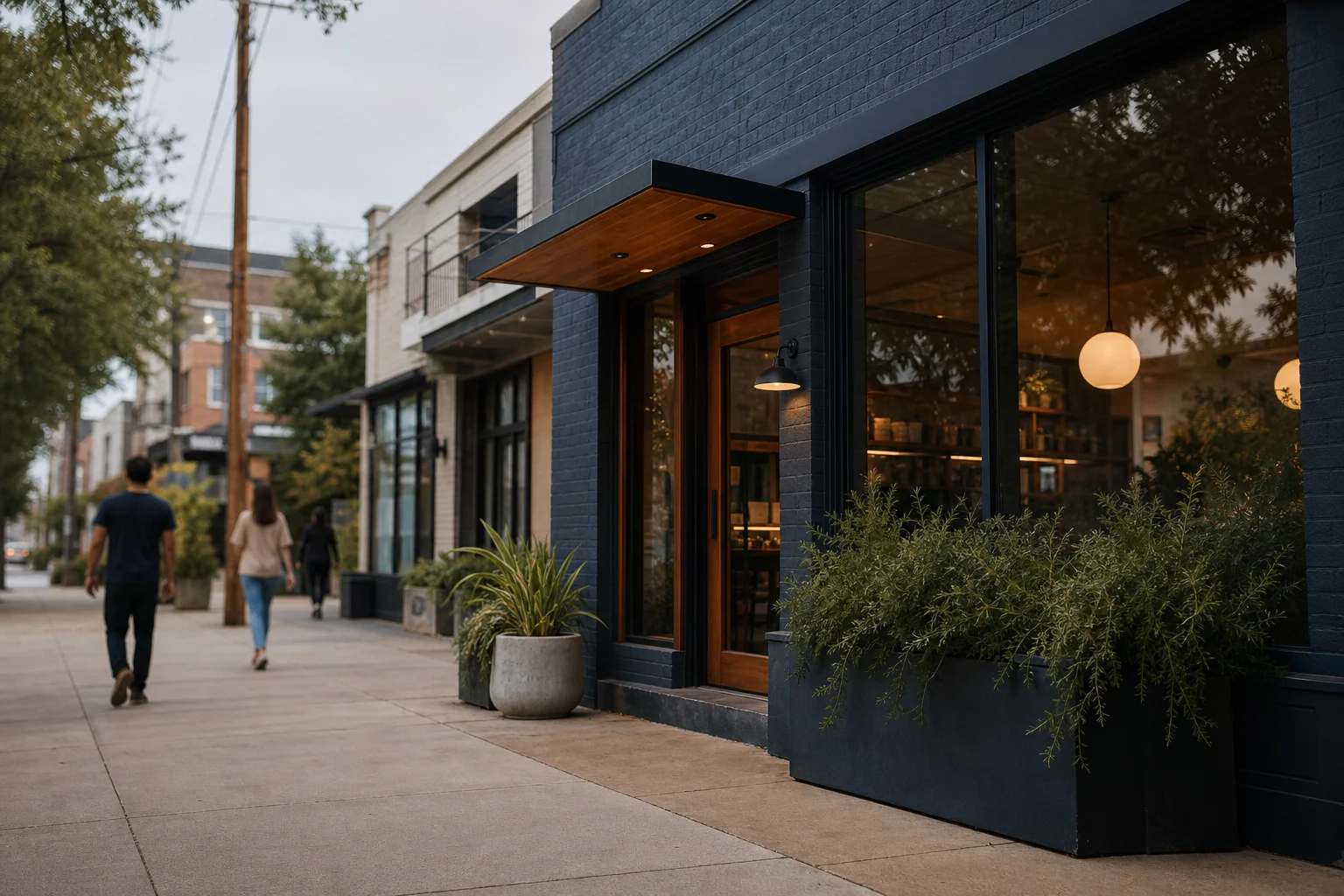
What does it cost to open a ramen and pho shop in Charlotte?
The cost to open a ramen and pho shop in Charlotte depends heavily on location, size, and operational model. Charlotte's restaurant market has specific cost pressures that differ from other North Carolina cities. The most significant cost drivers include lease terms, buildout requirements, equipment needs, and local competition. Understanding these factors helps founders create realistic financial projections and avoid common pitfalls.
Major cost categories
Lease deposit and first/last month
Lease costs represent one of the largest upfront expenses for any restaurant. In Charlotte, the top neighborhoods for ramen and pho shops show rent bands of $16-$44/sqft/yr NNN (triple net). University City, with an overall score of 6.1/10, sits at the top of our neighborhood rankings, featuring rent bands of $16-$44/sqft/yr NNN. This neighborhood benefits from proximity to UNC Charlotte and major shopping centers like The Shoppes at University Place. Camp North End, scoring 5.9/10, also shows the same rent band of $16-$44/sqft/yr NNN, with anchors including Camp North End mall and Queen City Quarter. These rent bands translate to substantial monthly commitments, especially for larger spaces suitable for dining areas and kitchen operations.
Tenant improvements and buildout
Tenant improvements (TI) costs vary widely based on the condition of the space and local building codes. Charlotte's restaurant buildout requirements often include specialized ventilation systems, plumbing for commercial kitchens, and ADA-compliant access. The condition of existing spaces in neighborhoods like Wesley Heights (score 5.4/10, rent band $16-$44/sqft/yr NNN) or Park Road/Madison Park (score 5.3/10, rent band $16-$44/sqft/yr NNN) can significantly impact these costs. Older buildings may require more extensive renovations, while newer spaces might only need cosmetic updates and kitchen equipment installation.
Equipment and furniture
Restaurant equipment represents a major capital expenditure. For ramen and pho shops, this includes specialized cooking equipment, refrigeration, seating, and point-of-sale systems. The quality and quantity of equipment directly impact both initial costs and long-term operational efficiency. Charlotte's restaurant supply market offers various options, but founders should balance upfront investment with durability and energy efficiency considerations.
Licenses, permits, and insurance
Charlotte requires specific licenses and permits for restaurant operations, including health department permits, business licenses, and alcohol permits if serving beer or sake. Insurance costs vary based on location, coverage limits, and risk factors. Founders should budget for these recurring expenses and factor in potential delays in permit processing, which can impact opening timelines.
Initial inventory or supplies
Initial inventory costs include ingredients, tableware, uniforms, and marketing materials. Ramen and pho shops require consistent supplies of high-quality ingredients, which can represent ongoing costs. Charlotte's local suppliers and distributors can help manage these expenses, but founders should plan for sufficient initial stock to cover the first few weeks of operation.
Pre-opening payroll and training
Pre-opening payroll includes costs for hiring and training staff before the restaurant opens. This covers management, kitchen staff, and front-of-house employees. Training costs can be significant, especially for specialized ramen and pho preparation techniques that require skilled labor.
Working capital reserve
A working capital reserve is essential for covering operating expenses during the initial months when revenue may be lower than expected. Charlotte's competitive restaurant market means new establishments often take time to build a customer base, making adequate working capital crucial for survival.
How Charlotte compares to other NC markets
Charlotte's restaurant market differs from other North Carolina cities in several key ways. The city's larger population and growing economy support higher price points and more diverse dining options. However, this also means increased competition and potentially higher labor costs. Compared to smaller markets like Asheville or Winston-Salem, Charlotte offers greater customer volume but also higher operating expenses. The rent bands of $16-$44/sqft/yr NNN in top neighborhoods reflect this balance between opportunity and cost.
What competition looks like in the top areas
Charlotte's ramen and pho scene includes established players that new entrepreneurs should analyze. In University City, Pho@University (4.2 stars, 312 reviews, $$) and Pho Real (4 stars, 912 reviews, $$$) represent the local competition. These establishments have built customer loyalty and understand the market dynamics. New entrants should consider how to differentiate their offering while meeting customer expectations for quality and value. The presence of these competitors indicates market demand but also highlights the need for a strong value proposition.
Common cost overrun patterns
Several cost overrun patterns frequently impact ramen and pho shop startups in Charlotte. Underestimating buildout costs is common, especially when dealing with older buildings or unexpected structural issues. Equipment purchases often exceed budgets due to the need for specialized, high-quality items. Inventory costs can also spiral if founders overstock or choose expensive suppliers. Additionally, permit delays and unexpected regulatory requirements can add both time and money to the project. Understanding these patterns helps founders create more realistic budgets and contingency plans.
How to validate your number before committing capital
Before committing capital, founders should validate their cost assumptions through several methods. Researching actual lease rates in target neighborhoods provides realistic rent expectations. Obtaining multiple equipment quotes helps establish accurate capital expenditure budgets. Consulting with local restaurant owners and industry professionals offers insights into hidden costs and operational realities. Creating detailed financial projections with conservative assumptions prepares founders for various scenarios. Finally, setting aside contingency funds addresses unexpected expenses that almost always arise during startup.
| Neighborhood | Locavisor score | Rent band | Local operator signal | Founder validation check |
|---|---|---|---|---|
| University City | 6.1/10 | $16-$44/sqft/yr NNN | Pho@University, Pho Real | Validate lease terms, buildout condition, equipment scope, and reserves. |
| Camp North End | 5.9/10 | $16-$44/sqft/yr NNN | No direct operator listed | Validate lease terms, buildout condition, equipment scope, and reserves. |
| Wesley Heights | 5.4/10 | $16-$44/sqft/yr NNN | No direct operator listed | Validate lease terms, buildout condition, equipment scope, and reserves. |
| Park Road / Madison Park | 5.3/10 | $16-$44/sqft/yr NNN | No direct operator listed | Validate lease terms, buildout condition, equipment scope, and reserves. |
| Optimist Park / Belmont | 5.2/10 | $16-$44/sqft/yr NNN | No direct operator listed | Validate lease terms, buildout condition, equipment scope, and reserves. |

FAQ
What are the best neighborhoods for a ramen and pho shop in Charlotte?
Based on Locavisor scoring, the top neighborhoods are University City (6.1/10), Camp North End (5.9/10), Wesley Heights (5.4/10), Park Road/Madison Park (5.3/10), and Optimist Park/Belmont (5.2/10). These areas offer good foot traffic, appropriate rent bands ($16-$44/sqft/yr NNN), and demographic alignment with ramen and pho customer profiles.
How does competition affect startup costs in Charlotte?
Competition in Charlotte's ramen and pho market means new entrants must invest in differentiation through quality, ambiance, or unique offerings. This may increase costs for marketing, specialized equipment, or premium ingredients. However, established competition also validates market demand, reducing some of the customer education costs.
What permits are required to open a ramen and pho shop in Charlotte?
Charlotte requires health department permits, business licenses, and potentially alcohol permits. Specific requirements vary based on location and operational details. Founders should contact the Mecklenburg County Health Department and Charlotte Business License Office for current requirements and processing times.
Last reviewed: 2026-05-30
Sources: U.S. Census Bureau ACS, LEHD LODES, Google Places, OpenStreetMap, Locavisor neighborhood scoring.
Methodology: Locavisor scores neighborhoods across demand, competition fit, rent fit, accessibility, and customer match. Scores reflect a snapshot of recent data and should be combined with on-the-ground research before lease decisions.
Disclaimer: This article provides informational content only and does not constitute legal, financial, accounting, or real-estate advice. Verify lease terms, licensing, local regulations, costs, and professional requirements with qualified local professionals before making business decisions.
Free preview shows top 3 neighborhoods. Full $9.99 report covers all 10 areas with personalized scoring + 90-day check-ins.
Informational only. Verify lease, licensing, local regulations, costs, and professional requirements with qualified local professionals.