Dallas, TX · ramen and pho shop
Cost to open a ramen and pho shop in Dallas
Opening a ramen and pho shop in Dallas requires careful planning of startup costs. The cost to open a ramen and pho shop in Dallas varies significantly based on location, size, and operational approach. Locavisor's neighborhood scoring has identified three promising areas for this concept: Addison (6.5/10), Las Colinas (Irving) (6.1/10), and Bishop Arts District (5.9/10). Understanding the practical startup-cost stack is essential for founders looking to enter Dallas's mixed-temperature market with medium competition density.
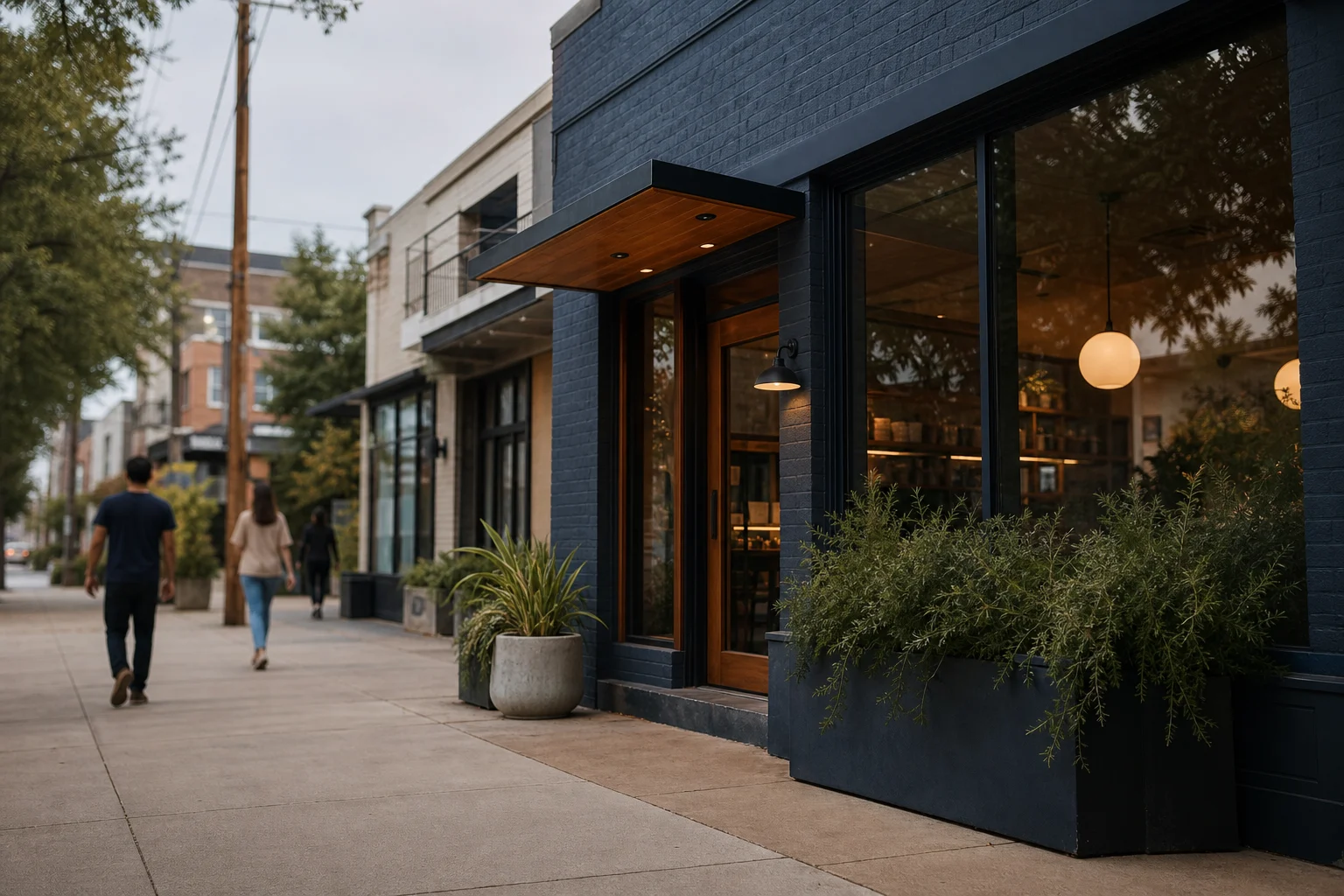
Main startup cost categories
Startup costs for a ramen and pho shop in Dallas fall into several key categories. Each category carries its own cost pressures and considerations. Rent typically represents the largest fixed expense, followed by buildout, equipment, permits, hiring, and opening cash reserves. The market temperature in Dallas is mixed, with medium competition density, which affects cost pressures across all categories. Founders should validate assumptions in each category before committing significant capital.
Rent and lease assumptions in Dallas
Rent levels in Dallas's top areas for ramen and pho shops range from $30-50/sqft NNN. Addison's Belt Line Rd restaurant row stands out as the strongest candidate with zero direct ramen/pho competitors and approximately 10,500 weekday office workers within reach for lunch. Las Colinas offers a master-planned office corridor anchored by ExxonMobil and Verizon campuses, also with zero direct competition. Bishop Arts District has one direct competitor—Chan Thai & Pho 88 (4.0★, 403 reviews)—but it's a Thai-Vietnamese hybrid rather than a dedicated ramen shop. Rent levels are consistent across these areas, but the market characteristics differ significantly, affecting overall cost pressures.
Buildout, equipment, payroll, opening inventory, permits, and cash reserve
Buildout costs depend heavily on the condition of the space and the concept's design requirements. Equipment needs include specialized kitchen equipment for both ramen and pho preparation, which may represent a significant investment. Payroll models must account for staffing needs during different service periods, with considerations for lunch, dinner, and potential late-night service. Opening inventory requires sourcing authentic ingredients for both cuisines. Permits include health department approvals and business licenses specific to Dallas. Cash reserves should cover several months of operating expenses before the business reaches stability.

Lean vs moderate vs generous launch budgets
Founders can approach budgeting with lean, moderate, or generous launch strategies. A lean approach minimizes initial investment but may limit concept execution. A moderate approach balances investment with operational flexibility. A generous approach allows for premium execution but requires more capital. Market temperature and competition density in Dallas suggest a moderate approach may be optimal, allowing for competitive positioning without excessive risk. The specific characteristics of each top area—Addison's office density, Las Colinas's corporate presence, Bishop Arts's evening scene—further influence budget decisions.
What to validate before spending money
Before committing significant capital, founders should validate several key assumptions. Lease assumptions should include not just rent but also common area maintenance, property taxes, and lease terms. Buildout scope must align with both concept requirements and local building codes. Equipment lists should balance immediate needs with future scalability. Payroll models must reflect actual staffing requirements and local wage rates. Opening inventory levels should match projected demand without excessive carrying costs. Cash reserves should cover all fixed expenses for an appropriate period. Finally, local professional review from attorneys, accountants, and industry veterans can identify cost traps specific to Dallas's restaurant market.
FAQ
How much does it cost to open A Ramen and pho Shop in Dallas?
The exact total cost to open a ramen and pho shop in Dallas cannot be estimated from the provided data. Multiple variables affect startup costs, including location-specific rent levels, buildout requirements, equipment needs, staffing models, inventory requirements, permit costs, and cash reserve needs. Founders should validate assumptions in each category before developing a comprehensive budget. Locavisor's neighborhood scoring identifies promising areas but does not provide cost estimates.
What are the best areas in Dallas for a ramen and pho shop?
Locavisor's neighborhood scoring identifies three top areas for a ramen and pho shop in Dallas: Addison (6.5/10), Las Colinas (Irving) (6.1/10), and Bishop Arts District (5.9/10). Addison offers the strongest overall score with zero direct ramen/pho competitors and high office density. Las Colinas provides a corporate environment with zero direct competition. Bishop Arts District has one direct competitor but benefits from a strong evening scene.
What rent levels can I expect in Dallas for a ramen and pho shop?
Rent levels in Dallas's top areas for ramen and pho shops range from $30-50/sqft NNN. This rent level is consistent across Addison, Las Colinas, and Bishop Arts District. However, the market characteristics differ significantly, affecting overall cost pressures and business potential.
What should I consider when budgeting for buildout?
Buildout costs depend on the condition of the space and the concept's design requirements. Founders should validate buildout scope against local building codes and ensure alignment with concept requirements. Buildout represents a significant portion of startup costs and should be carefully planned.
How does competition affect startup costs in Dallas?
Dallas has medium competition density for ramen and pho shops. While this creates some cost pressures, it also indicates market demand. Founders should consider competitive positioning when developing their concept and budgeting for marketing and operational differentiation.
What permits are required for a ramen and pho shop in Dallas?
Permits include health department approvals and business licenses specific to Dallas. The exact requirements vary by location and concept specifics. Founders should research local permit requirements and factor associated costs into their budget.
How much cash reserve should I have before opening?
Cash reserves should cover several months of operating expenses before the business reaches stability. The exact amount depends on factors like rent levels, staffing costs, and market conditions. Founders should develop a conservative cash reserve model to account for unexpected expenses and slower-than-expected revenue growth.
Last reviewed: 2026-05-08
Sources: U.S. Census Bureau ACS, LEHD LODES, Google Places, OpenStreetMap, Locavisor neighborhood scoring.
Methodology: Locavisor scores neighborhoods across demand, competition fit, rent fit, accessibility, and customer match. Scores reflect a snapshot of recent data and should be combined with on-the-ground research before lease decisions.
Disclaimer: This article provides informational content only and does not constitute legal, financial, accounting, or real-estate advice. Verify lease terms, licensing, local regulations, costs, and professional requirements with qualified local professionals before making business decisions.
Free preview shows top 3 neighborhoods. Full $9.99 report covers all 10 areas with personalized scoring + 90-day check-ins.
Informational only. Verify lease, licensing, local regulations, costs, and professional requirements with qualified local professionals.