Detroit, MI · ramen and pho shop
Cost to open a ramen and pho shop in Detroit
Detroit's restaurant scene presents unique opportunities for ramen and pho entrepreneurs. The city's diverse neighborhoods, growing food culture, and affordable commercial spaces create an attractive environment for new ventures. However, understanding the specific cost structure for opening a ramen and pho shop requires careful analysis of location, competition, and operational expenses. The cost to open a ramen and pho shop in Detroit varies significantly based on neighborhood selection, space requirements, and business model.
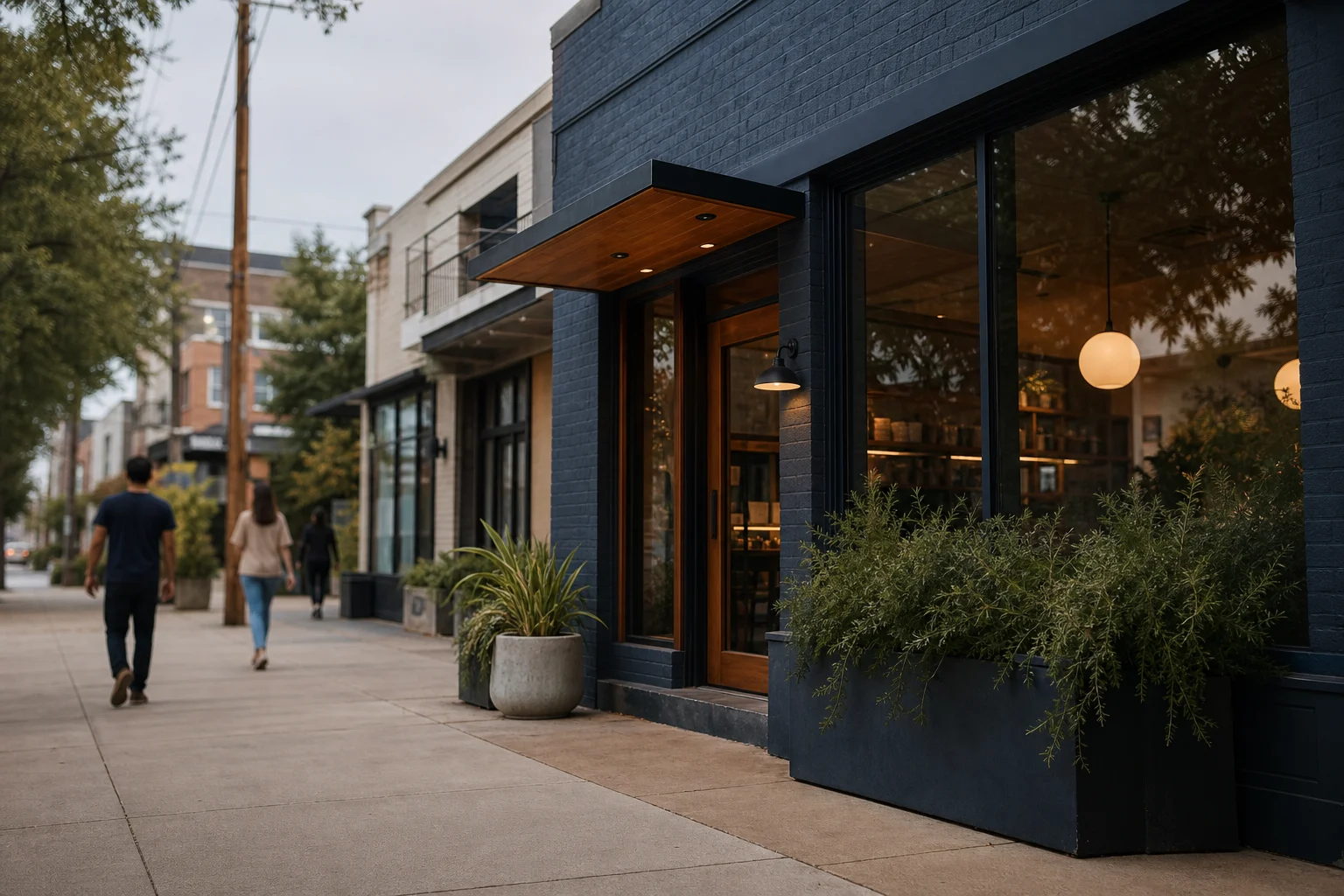
What does it cost to open a ramen and pho shop in Detroit?
The cost to open a ramen and pho shop in Detroit depends heavily on your chosen location and business model. Detroit offers competitive commercial real estate compared to other major cities, with rent bands typically ranging from $11-$29/sqft/yr NNN across prime neighborhoods. This affordability makes Detroit an attractive market for food entrepreneurs, but you must account for neighborhood-specific factors that influence startup costs. The top neighborhoods for ramen and pho shops in Detroit, according to Locavisor research, include Downtown Detroit (score 6.5/10), Lafayette Park (6.3/10), Corktown (6.2/10), Eastern Market (6.2/10), and Brush Park (6.1/10), all with the same rent band of $11-$29/sqft/yr NNN.
Major cost categories
Lease deposit and first/last month
Tenant improvements and buildout
Tenant improvements (TI) and buildout costs vary widely based on your space's condition and desired aesthetic. Ramen and pho shops typically require specialized kitchen equipment, seating arrangements, and potentially a ramen bar setup. The condition of your chosen space in neighborhoods like Corktown or Eastern Market will determine whether you need extensive renovations or can work with the existing layout. Budget carefully for plumbing, electrical work, flooring, and custom millwork that aligns with your brand identity. Many landlords offer TI allowances, especially in competitive areas like Downtown Detroit, which can offset these costs.
Equipment and furniture
Your kitchen equipment represents a major capital expenditure. Ramen and pho operations require specific tools including woks, steamers, rice cookers, and specialized cooking stations. Furniture costs include tables, chairs, and potentially a counter seating area. The quality and quantity of equipment directly impact both your initial investment and long-term operational efficiency. Consider both new and used equipment options, and factor in maintenance costs over the equipment's lifespan.
Licenses, permits, and insurance
Obtaining the necessary licenses and permits in Detroit requires working with multiple city and state agencies. You'll need food service permits, health department approvals, and potentially liquor licenses depending on your beverage program. Insurance costs include general liability, property insurance, and workers' compensation. These costs are relatively standardized across Detroit but can add several thousand dollars to your startup expenses. Always verify current requirements with the appropriate city and state agencies before budgeting.
Initial inventory or supplies
Your initial inventory of ingredients, packaging, and supplies represents a significant but often overlooked cost. Ramen and pho require specific ingredients like high-quality noodles, broths, meats, and vegetables. Building relationships with local suppliers can help manage costs and ensure fresh ingredients. Consider the lead time needed to establish these relationships and the initial inventory you'll need to stock before opening.
Pre-opening payroll and training
Hiring and training staff before opening requires careful cash flow management. You'll need to budget for salaries during the training period when revenue isn't yet flowing. This includes kitchen staff, front-of-house employees, and potentially a manager. The quality of your training program impacts service quality and customer satisfaction from day one.
Working capital reserve
A working capital reserve is critical for covering unexpected expenses and bridging the gap until your ramen and pho shop becomes profitable. Most experts recommend having a variable local timeline of operating expenses in reserve. This buffer allows you to handle equipment repairs, unexpected supply chain issues, or slower-than-expected revenue in your first months of operation.
How Detroit compares to other MI markets
Detroit offers more affordable commercial real estate than Michigan's other major cities, with rent bands typically $11-$29/sqft/yr NNN compared to higher rates in Ann Arbor or Grand Rapids. However, customer spending patterns and competition levels differ across Michigan markets. Detroit's diverse neighborhoods support various price points, from casual ramen spots to more upscale pho restaurants. The city's growing food scene attracts both locals and tourists, creating demand for authentic Asian cuisine.
What competition looks like in the top areas
The top neighborhoods for ramen and pho shops in Detroit feature established businesses and varying levels of competition. In Brush Park, Pho Lucky operates with a 4.5-star rating from 1,292 reviews, indicating strong customer satisfaction and market presence. Customer reviews highlight themes of affordable pricing, quality ingredients, and friendly service, suggesting that successful operators focus on value and authenticity. The competition landscape in Downtown Detroit, Lafayette Park, Corktown, Eastern Market, and Brush Park varies, with some areas having established Asian cuisine scenes and others presenting opportunities for new entrants.
Common cost overrun patterns
Many ramen and pho shop owners encounter unexpected costs during their startup phase. Common overruns include underestimating buildout requirements, especially in older buildings common in neighborhoods like Corktown. Equipment costs often exceed initial budgets, particularly when specialized Asian cooking equipment is needed. Inventory management can be challenging, with fresh ingredients requiring careful planning to minimize waste. Additionally, permit delays and unexpected construction issues can extend timelines and increase costs. Building contingency funds into your budget helps mitigate these risks.
How to validate your number before committing capital
Before committing significant capital, validate your cost assumptions through thorough research. Tour available spaces in your target neighborhoods to assess buildout needs firsthand. Obtain multiple equipment quotes to understand market pricing. Research local supplier costs for ramen and pho ingredients. Talk to other restaurant owners in Detroit about their experiences with permits, insurance, and unexpected costs. Consider hiring a restaurant consultant familiar with Detroit's market to review your business plan. Finally, create detailed financial projections that account for various scenarios and timelines.
| Neighborhood | Locavisor score | Rent band | Local operator signal | Founder validation check |
|---|---|---|---|---|
| Downtown Detroit | 6.5/10 | $11-$29/sqft/yr NNN | No direct operator listed | Validate lease terms, buildout condition, equipment scope, and reserves. |
| Lafayette Park | 6.3/10 | $11-$29/sqft/yr NNN | No direct operator listed | Validate lease terms, buildout condition, equipment scope, and reserves. |
| Corktown | 6.2/10 | $11-$29/sqft/yr NNN | No direct operator listed | Validate lease terms, buildout condition, equipment scope, and reserves. |
| Eastern Market | 6.2/10 | $11-$29/sqft/yr NNN | No direct operator listed | Validate lease terms, buildout condition, equipment scope, and reserves. |
| Brush Park | 6.1/10 | $11-$29/sqft/yr NNN | Pho Lucky | Validate lease terms, buildout condition, equipment scope, and reserves. |

FAQ
Q: What's the average rent per square foot for a ramen and pho shop in Detroit's best neighborhoods?
A: The top neighborhoods for ramen and pho shops in Detroit (Downtown Detroit, Lafayette Park, Corktown, Eastern Market, and Brush Park) all have rent bands of $11-$29/sqft/yr NNN according to Locavisor research. This range provides flexibility for different business models and space requirements.
Q: How does Detroit's cost structure compare to other major US cities for opening a ramen shop?
A: Detroit offers more affordable commercial real estate than coastal cities, with rent bands significantly lower than markets like New York, San Francisco, or Los Angeles. However, customer spending patterns and competition levels differ, requiring tailored business models for success.
Q: What are the most important cost factors to consider beyond rent?
A: Beyond rent, focus on buildout costs (which vary by space condition), specialized kitchen equipment, inventory of fresh ingredients, and working capital reserves. Permits, insurance, and initial staffing also represent significant upfront expenses that many entrepreneurs underestimate.
Last reviewed: 2026-05-30
Sources: U.S. Census Bureau ACS, LEHD LODES, Google Places, OpenStreetMap, Locavisor neighborhood scoring.
Methodology: Locavisor scores neighborhoods across demand, competition fit, rent fit, accessibility, and customer match. Scores reflect a snapshot of recent data and should be combined with on-the-ground research before lease decisions.
Disclaimer: This article provides informational content only and does not constitute legal, financial, accounting, or real-estate advice. Verify lease terms, licensing, local regulations, costs, and professional requirements with qualified local professionals before making business decisions.
Free preview shows top 3 neighborhoods. Full $9.99 report covers all 10 areas with personalized scoring + 90-day check-ins.
Informational only. Verify lease, licensing, local regulations, costs, and professional requirements with qualified local professionals.